InfoSAWIT, JAKARTA – Indonesia’s Smallholder Replanting Program (PSR) has continued to show significant progress since its launch in 2016. As of December 31, 2025, the program had covered 408,512 hectares of plantations involving 177,190 Smallholders across 22 provinces.
Citing a presentation by the Head of Planning and Services Division at the Palm Oil Plantation Fund Management Agency (BPDP), Nugroho Adi Wibowo, the total funds disbursed to support the PSR program from 2016 to 2025 reached Rp12.01 trillion.
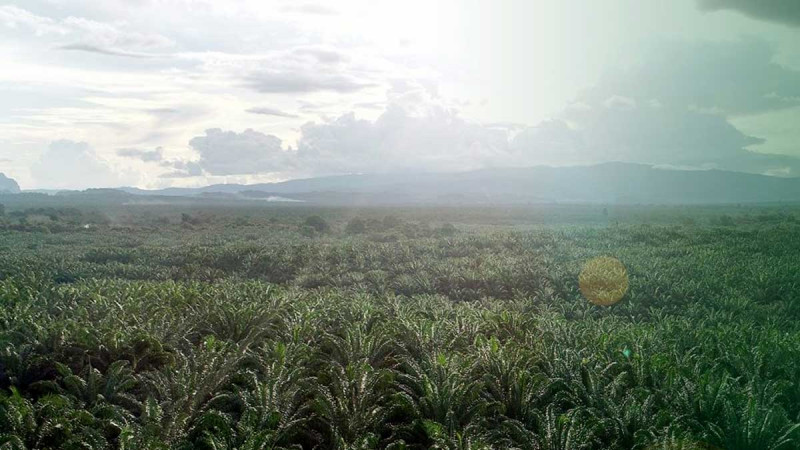
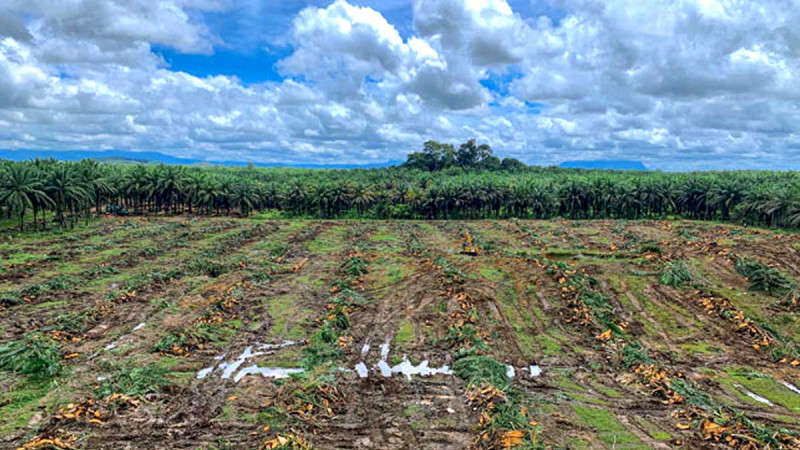
The program is one of the government’s key strategies to improve the productivity of smallholder palm oil plantations while strengthening the sustainability of Indonesia’s palm oil industry through the replanting of aging and unproductive trees.
PSR performance data show fluctuations in the annual realization of replanting areas. During the early implementation period in 2016–2017, the realized area remained relatively small due to socialization efforts and preparations for regulations and institutional arrangements at the farmer level.
The program then accelerated in 2019–2020 when replanting areas exceeded 90,000 hectares, marking one of the highest achievements since the program began.
“After that period, PSR realization declined slightly in 2021–2022 before increasing again in 2023. In 2025, the replanting realization reached 43,590 hectares,” Nugroho Adi said during a discussion attended by InfoSAWIT at the Ministry of Agriculture in early March 2026.
The fluctuations were influenced by several factors, including land verification processes, the readiness of farmer institutions, and policy dynamics within the plantation sector.
Sumatra Dominates PSR Implementation
Regionally, PSR implementation is still dominated by provinces in Sumatra, which host the largest areas of smallholder palm oil plantations in Indonesia.
South Sumatra recorded the largest share, accounting for around 19% of total national PSR realization.
This was followed by Aceh with 16%, while Riau and other Sumatra regions each contributed around 12%.
Other provinces contributing to the program include Jambi (9%), North Sumatra (9%), West Kalimantan (6%), Central Kalimantan (5%), as well as Bengkulu and West Sulawesi, each contributing around 4%.
The dominance of Sumatra indicates that the PSR program remains focused on regions with extensive smallholder plantations and a large number of aging oil palm trees that require replanting.
The PSR program plays an important role in improving the productivity of smallholder plantations, which historically remain lower than large-scale plantations.
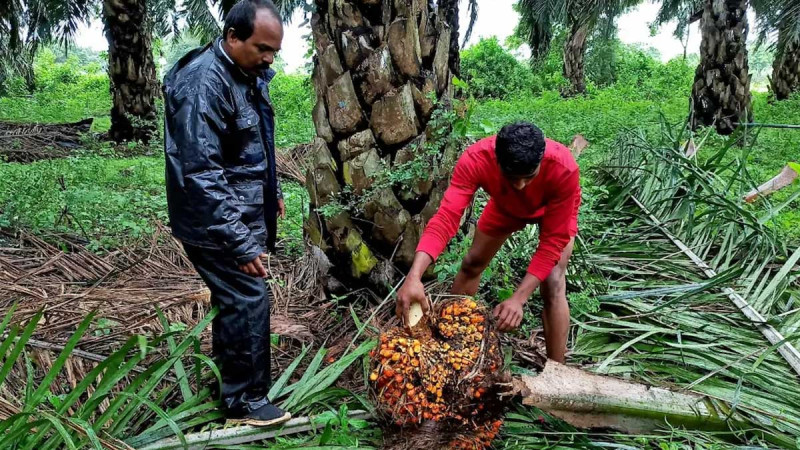
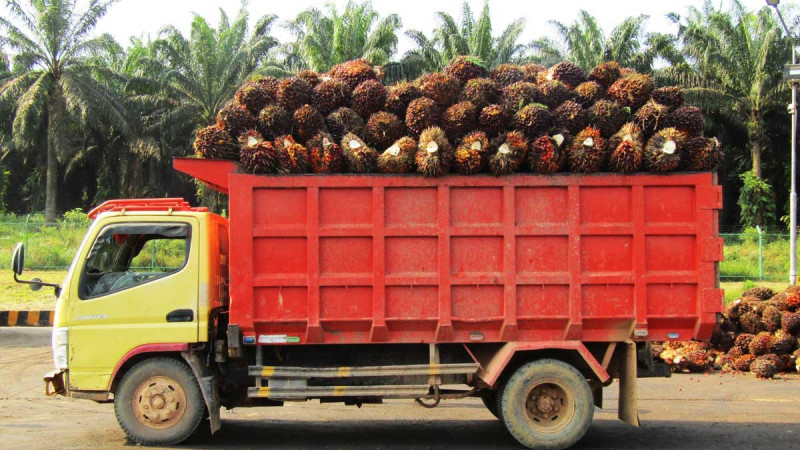
Through this initiative, Smallholders are encouraged to replace old or unproductive trees with certified superior seedlings, which are expected to increase Fresh Fruit Bunch (FFB) production in the long term.
With more than 400,000 hectares replanted by 2025, the PSR program is expected to continue accelerating the transformation of smallholder palm oil plantations toward a more productive, sustainable, and globally competitive sector. (T2)