InfoSAWIT, JAKARTA – For the past two decades, palm oil has been the backbone of Indonesia's bioenergy sector through its biodiesel program. However, amidst the push for a green energy transition, an alternative crop is gaining recognition: Pongamia (Milletia pinnata).
This medium-sized legume tree produces seeds with high oil content that can be processed into second-generation biodiesel. A report titled "A Technical and Economic Appraisal of Pongamia pinnata in Northern Australia" suggests that Pongamia has the potential to be a dual solution: reducing greenhouse gas emissions and sequestering carbon while providing long-term economic benefits.
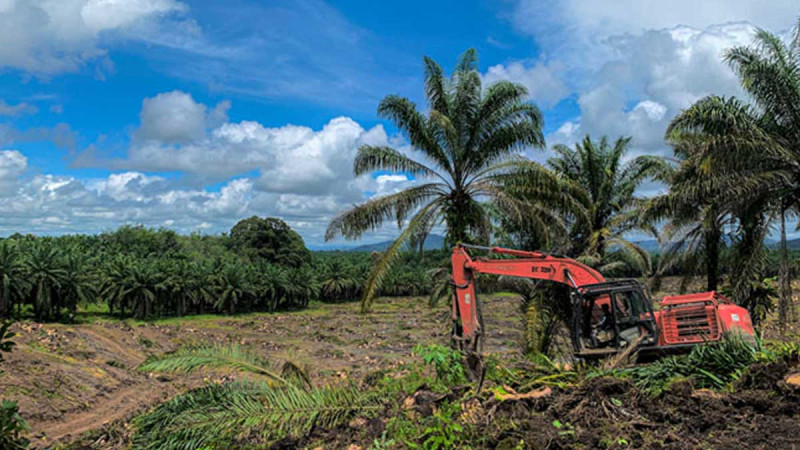
Unlike palm oil, which requires fertile land, Pongamia can thrive on marginal, barren lands and in areas exposed to high salinity or prone to waterlogging. Its roots' ability to fix nitrogen also makes it beneficial for improving soil fertility. This makes Pongamia particularly appealing for Indonesia, which has millions of hectares of critical and degraded land.
However, Pongamia is not meant to replace palm oil. Its production is still far below that of palm oil, which is known for its high productivity of 4–5 tons of oil per hectare per year on average. Instead, Pongamia is better positioned as a complementary crop. While palm oil dominates the domestic biodiesel market through the B35 and upcoming B40 programs, Pongamia can fill other spaces, especially on land unsuitable for palm oil or food crops.
In addition to its oil, Pongamia's by-products also have value. The seed cake can be used as livestock feed with the potential to reduce methane emissions, while the pod husks can be used as biomass. This added value provides a new dimension that palm oil does not have directly.
According to Dadang Gusyana, an Agronomist Consultant at Agriconsulting Europe S.A. (AESA), diversifying biofuels is crucial for Indonesia. "The IEA, in its Net Zero by 2050 report, emphasizes the enormous need for advanced biofuels. Long-distance transportation, mining, and aviation sectors will still depend on liquid fuels. Pongamia can complement palm oil's role within this framework," he recently told InfoSAWIT.
With a combination of both, Indonesia can strengthen its green energy resilience. Palm oil will remain the main driver, while Pongamia serves as a strategic option for marginal lands, supporting net-zero emission targets and opening new economic opportunities for the community. (T2)