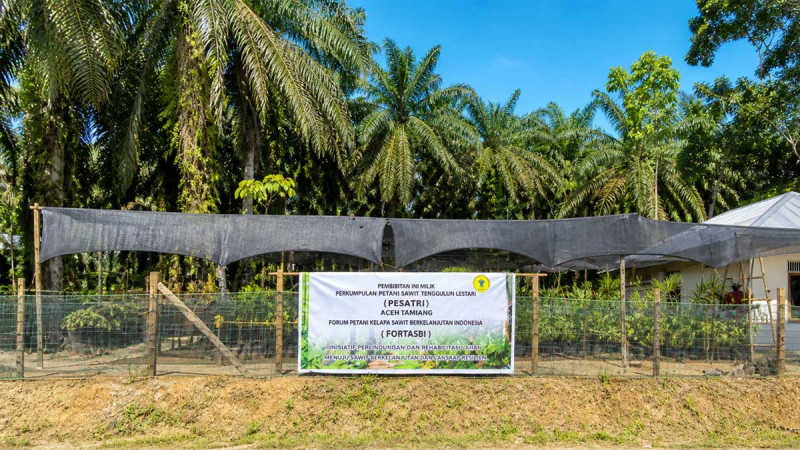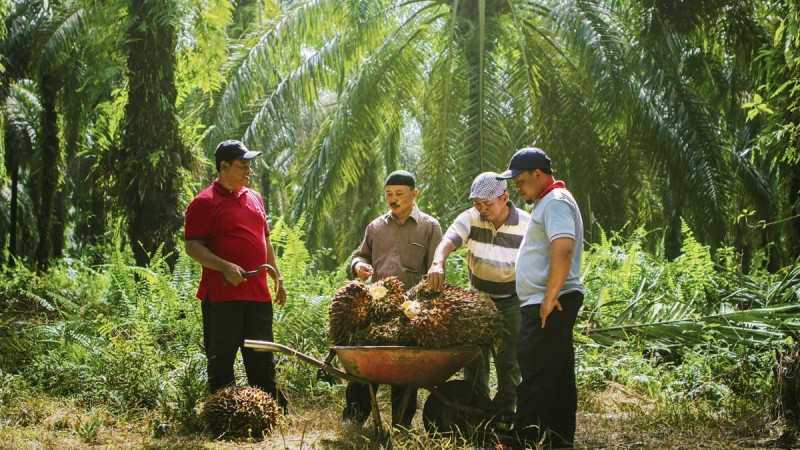
InfoSAWIT, JAKARTA - The Chairman of the Putra Tani Jaya Farmers Group from Jambi, Sis Sumanto, has witnessed how the PSR program and Sinar Mas Agribusiness and Food have assisted his farmers' group, starting from the socialization process to the community and gathering all the necessary BPDPKS document requirements. These initiatives have played a crucial role in streamlining the process.
Additionally, the program has facilitated finding contractors at affordable and professional rates. Farmers also receive certified superior palm oil seedlings and high-quality fertilizers and herbicides at lower prices than the market.
Through Sinar Mas Agribusiness and Food, farmers have gained knowledge to practice technical work according to standards at the lowest possible cost.
"This program has improved the livelihoods of farmers as it has helped enhance the entire operational process in the industry efficiently and effectively. As the chairman of the farmers' group, I will continue to encourage farmers and even other farmers' groups to participate in this program, especially those with aging and hard-to-harvest palm oil plantations," Sumanto stated in a statement quoted by InfoSAWIT on Tuesday (December 24, 2024).
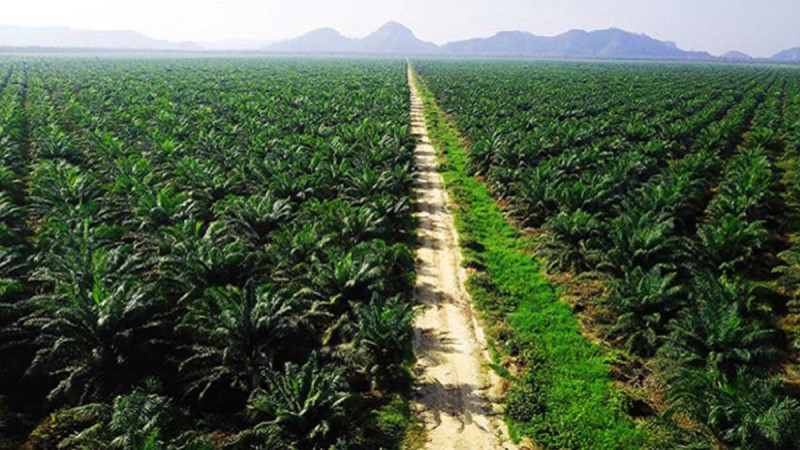
Through this strategic partnership program, 56 self-reliant farmers from the Putra Tani Jaya Farmers Group have received grant funds amounting to IDR 3.1 billion from BPDPKS, along with the provision of seedlings, fertilizers, and technical assistance for replanting on 124 hectares of land.
Collaboration and cooperation are key factors in the success of the PSR Program. Sinar Mas Agribusiness and Food recognizes that its responsibility extends beyond just replanting palm oil.
The company is dedicated to helping farmers improve their livelihoods while simultaneously contributing to the sustainability of palm oil as a vital national strategic commodity.
The Head of the BPDPKS Company Division, Achmad Maulizal Sutawijaya, stated that Indonesia's GDP grew by 5.03 percent in the first quarter of 2023. Referring to data from the Fiscal Policy Agency from 2019 to 2022, the Ministry of Industry reported that the palm oil industry contributed 3.5 percent to the national GDP.
According to BPDPKS data, the palm oil sector, which involves 2.4 million self-reliant farmers and 16 million workers, can continue to be a major driver of Indonesia's economic growth. The symbiotic relationship between palm oil plantations and sustainable agricultural practices not only promotes individual welfare but also plays a crucial role in driving national economic growth. (T2)