
InfoSAWIT, YOGYAKARTA – Palm oil partnership schemes must go beyond administrative agreements and deliver tangible economic benefits to communities living around plantation areas. Stronger transparency, fair governance, and protection of beneficiaries' interests are essential to ensuring that partnership arrangements fulfil their intended purpose.
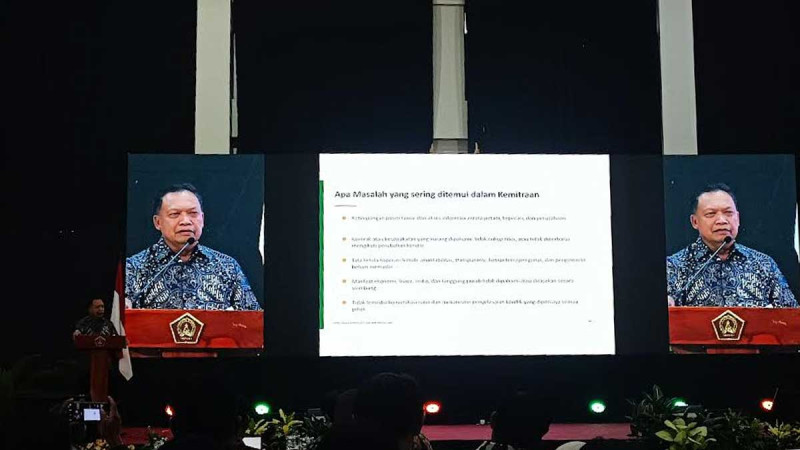
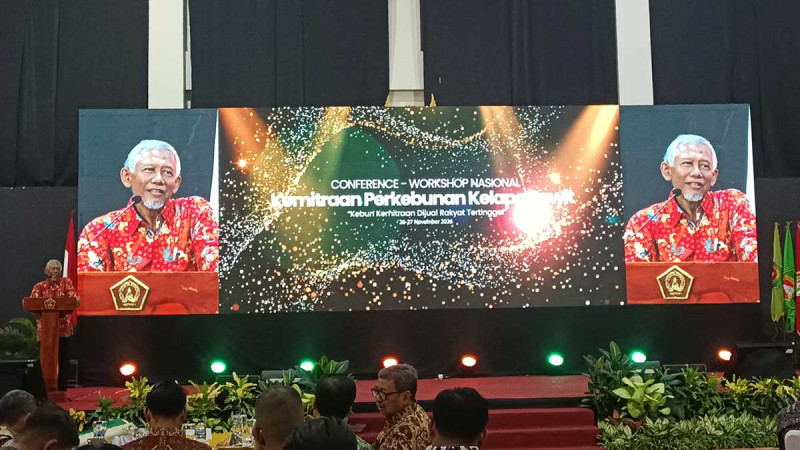
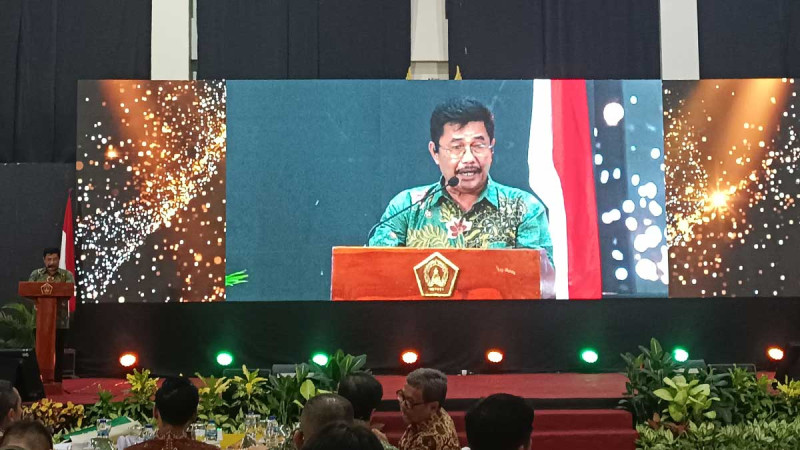
The message was delivered by Johan Sukardi, Chairman of KAINSTIPER Yogyakarta, when opening the National Conference and Workshop on Oil Palm Plantation Partnerships, themed "Partnership Plantations Are Sold, the People Are Left Behind", in Yogyakarta on Thursday, November 26, 2026.
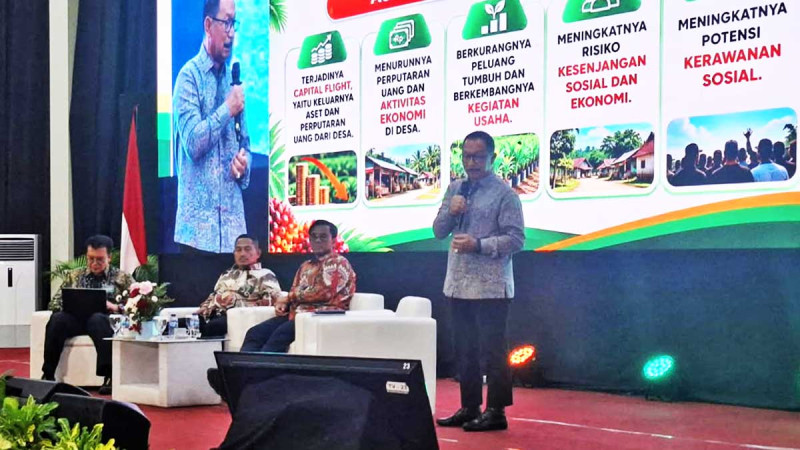
The event, attended by InfoSAWIT, provided an opportunity for stakeholders to evaluate existing partnership arrangements and discuss ways to strengthen their implementation across Indonesia's palm oil sector.
According to Johan, partnerships are a strategic instrument for strengthening local economies, particularly in communities living alongside plantation areas.
When properly managed, these arrangements should provide communities and smallholders with opportunities to benefit economically from the development of the palm oil industry.
However, he warned that various implementation challenges remain. One of the most concerning issues arises when partnership plantation plots are sold, leaving the original communities without the economic benefits they were supposed to receive.
"When plantation plots are sold and the economic benefits are no longer enjoyed by the community, this must become a matter of collective reflection," he said.
Johan argued that partnership problems cannot be resolved through administrative measures alone. More fundamental improvements are needed in policy, transparency, governance, and the protection of communities as the intended beneficiaries.
He emphasized that the national workshop and conference should serve as a constructive platform for dialogue among stakeholders. Rather than assigning blame, participants should focus on identifying solutions to improve plantation partnership management.
"This is an opportunity to address the various needs and problems that exist. We do not need to blame one another; instead, we must work together to improve plantation governance," Johan said.
He also expressed hope that the ideas and recommendations generated during the event would not remain confined to conference documents or discussions.
Instead, the outcomes should be translated into practical policy recommendations that can be implemented in the field.
According to Johan, successful palm oil partnerships require strong collaboration among smallholders, government institutions, plantation companies, and surrounding communities.
Cooperation among these stakeholders is essential to building more responsible plantation governance while ensuring a fairer distribution of economic benefits.
At the end of his remarks, Johan expressed appreciation to all palm oil industry stakeholders who supported the event. He hoped the national workshop and conference would produce practical solutions and recommendations that prioritize communities, particularly smallholders and partnership beneficiaries at the grassroots level.
Ultimately, palm oil partnerships should not merely serve as a mechanism for companies to fulfil regulatory obligations. They should develop into sustainable economic cooperation models that create added value, improve community welfare, and strengthen long-term relationships between plantation companies and surrounding communities. (T2)