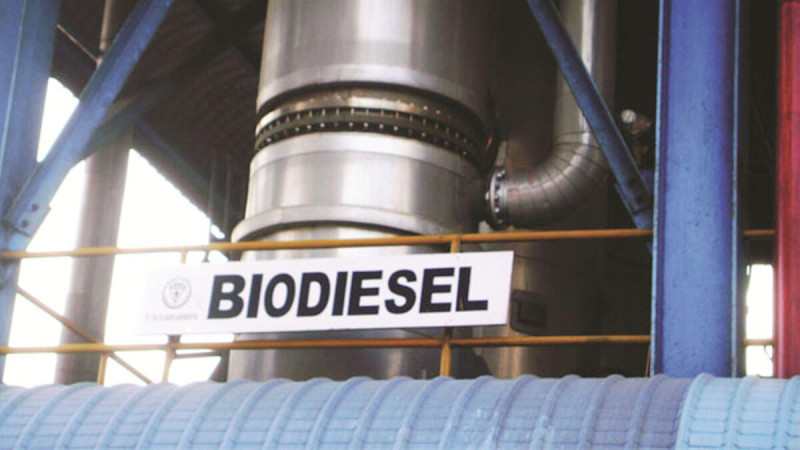
InfoSAWIT, BANGKOK – Thailand is stepping up efforts to develop biofuel production and consumption, including palm-based biodiesel, as part of a broader strategy to reduce dependence on imported oil, strengthen energy security and support local farmers.
As reported by InfoSAWIT, citing Thailand Business News on Thursday, November 19, 2026, the initiative is also intended to maximise the use of domestic renewable energy resources and promote more sustainable economic growth.
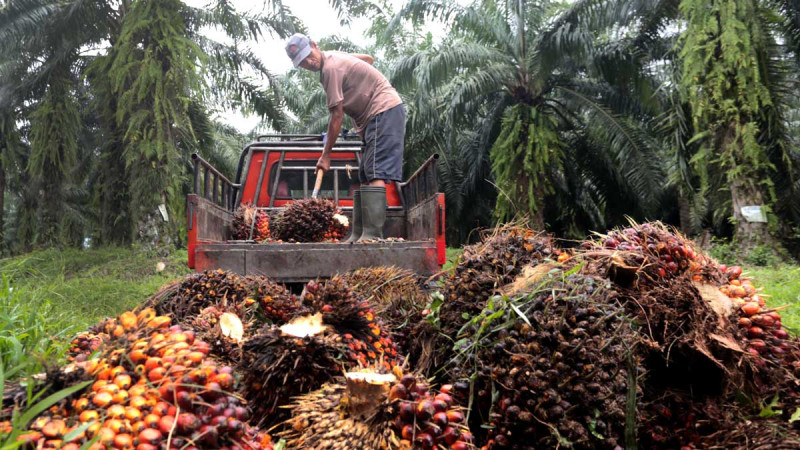
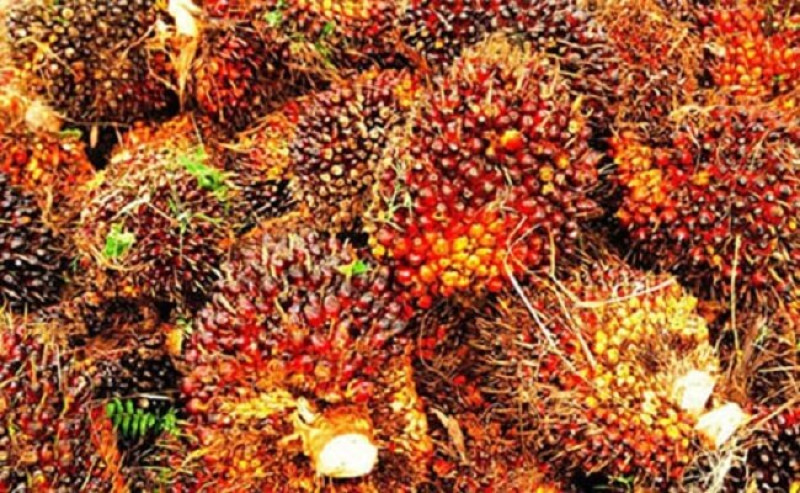
The palm oil industry is expected to play an important role by supplying feedstock for expanded biodiesel production. Its relatively high oil yield per unit of land compared with other vegetable oil crops makes oil palm an attractive option for meeting growing renewable energy demand.
Rising biodiesel consumption could encourage improvements across plantations and processing facilities. Higher productivity per hectare is seen as an advantage in securing feedstock supplies more efficiently.
Technological developments could further strengthen the sector. Improvements in extraction and processing, including enzymatic methods, alongside the development of high-yielding oil palm varieties, are expected to offer opportunities to increase oil recovery and production efficiency.
However, expanding palm-based biodiesel also presents environmental and social challenges. Greater demand for feedstock must be matched by responsible plantation management to prevent deforestation and minimise adverse impacts on local communities.
Stronger sustainability standards and responsible production practices will therefore be essential to supporting the industry’s expansion.
Thailand’s success in developing palm-based biodiesel will ultimately depend on more than production capacity and feedstock availability. Balancing energy security, farmers’ interests, environmental protection and community welfare will be critical to ensuring that palm oil contributes meaningfully to the country’s renewable energy transition. (T2)