InfoSAWIT, JAMBI – Indonesia’s palm oil industry faces growing pressure to improve plantation productivity as domestic demand rises alongside the implementation of the B50 biodiesel mandate in 2026. At the same time, the potential impact of El Niño in 2027 could pose additional risks to production.
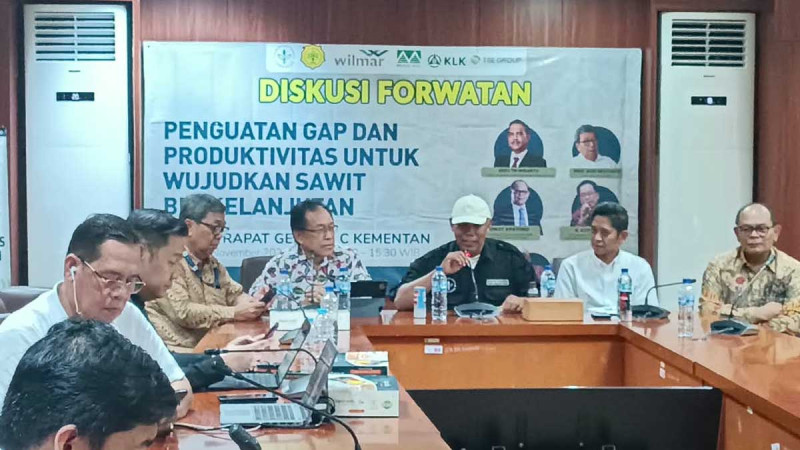
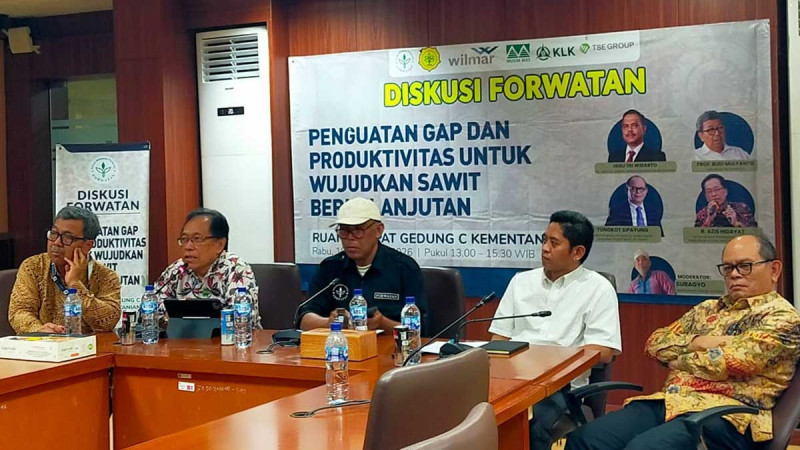
These challenges were highlighted at the opening of the 2026 Technical Palm Oil Seminar (TKS), themed “Strategies for Successfully Increasing Palm Oil Productivity”, organised by Media Perkebunan and the Indonesian Palm Oil Association (GAPKI) Jambi in Jambi on Wednesday, November 18, 2026.
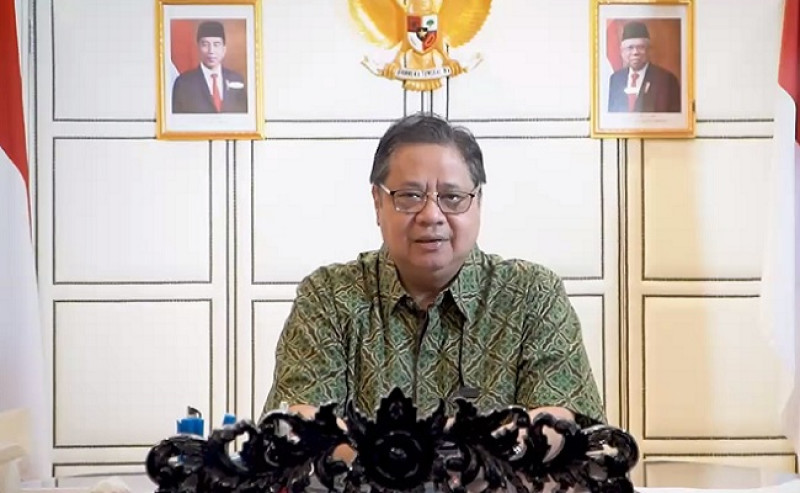
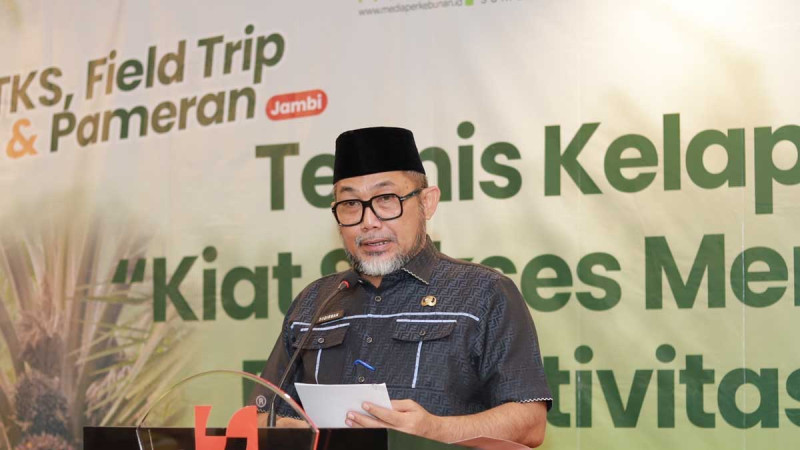
Jambi Regional Secretary Dr H. Sudirman said oil palm was one of the main pillars of the provincial economy. With more than 1.1 million hectares of plantations, Jambi remains an important palm oil-producing region in Sumatra and Indonesia.
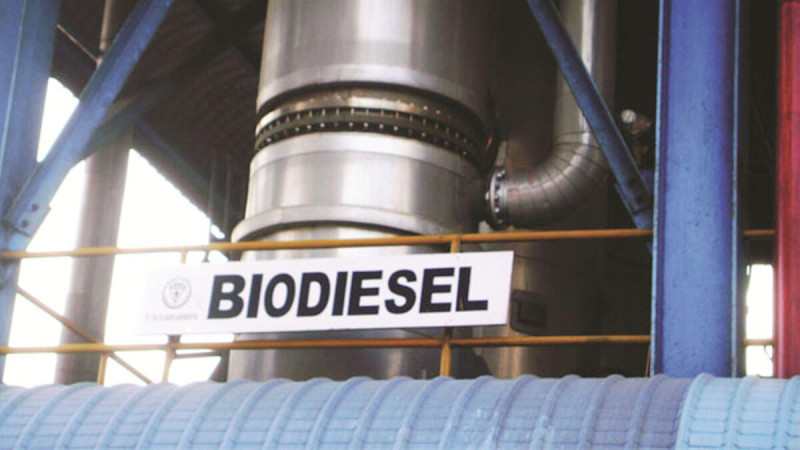
He said the B50 biodiesel programme, which requires a 50% biodiesel blend, could increase domestic CPO absorption while strengthening energy security and downstream development.
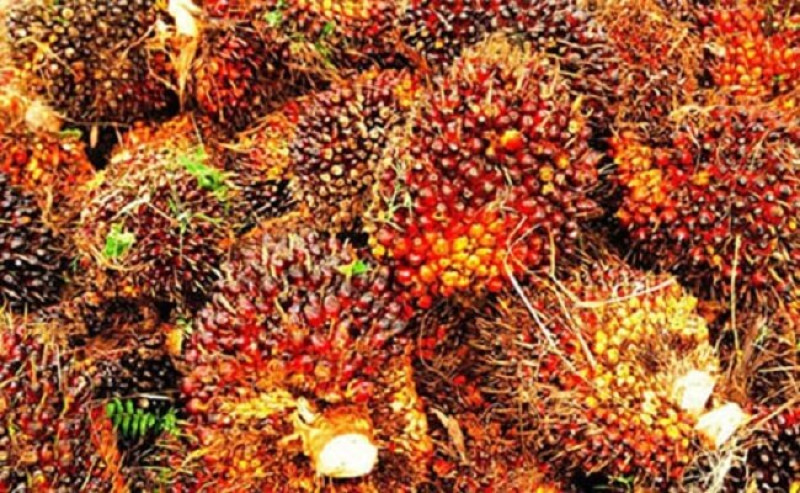
“This growing demand for CPO should be used to increase the added value of palm oil, maintain fresh fruit bunch (FFB) price stability and improve smallholder welfare,” Sudirman said in a statement received by InfoSAWIT on Thursday, November 19.
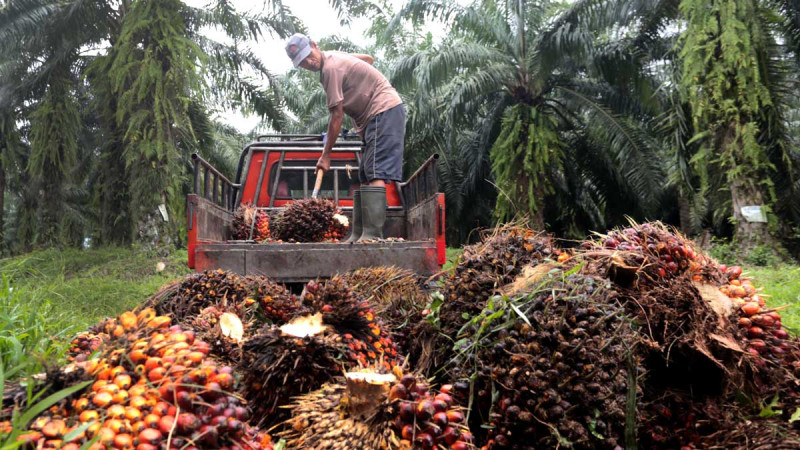
However, higher demand must be supported by better plantation productivity rather than uncontrolled land expansion. Good agricultural practices, quality planting materials, balanced fertilisation, pest and disease management, and proper harvesting were identified as key priorities.
Smallholder Productivity Remains a Challenge
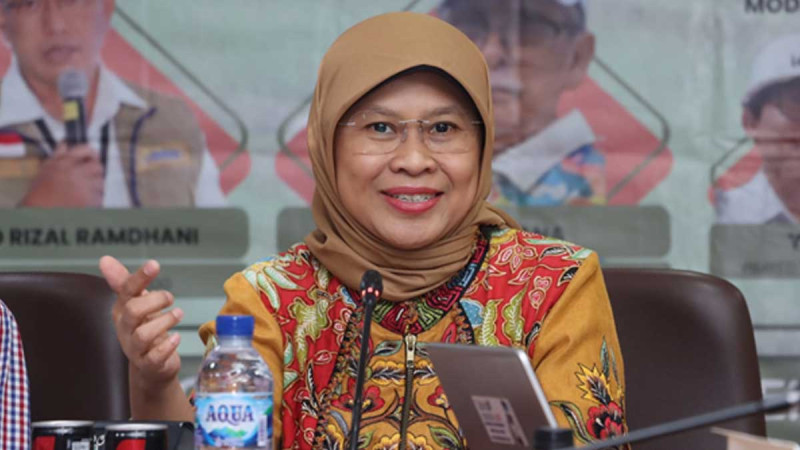
Seminar organiser and Media Perkebunan Chairman Bambang, a former Director General of Plantations, stressed the importance of improving smallholder productivity and sustainable plantation management. He also encouraged local governments to make better use of support from the Plantation Fund Management Agency (BPDP), including replanting assistance, infrastructure, training, scholarships and research.
TKS organising committee chairman Hendra J. Purba said palm oil consumption was growing faster than production. Data presented at the event showed combined CPO and palm kernel oil (PKO) production increased from 51.8 million tonnes in 2019 to more than 56.6 million tonnes in 2025, or around 9.1%.
By comparison, biodiesel consumption rose 133.6%, from 5.6 million tonnes to 13 million tonnes.
Smallholders account for around 42.62% of Indonesia’s oil palm area, involving approximately 3.04 million farmers across 7.2 million hectares. Yet their productivity remains a concern.
Hendra also warned that a potential El Niño in 2027 could affect rainfall and crop conditions, making productivity improvements and accelerated replanting increasingly urgent.
The seminar attracted 120 participants, exceeding its initial target of 70. The programme ran from November 18–19, followed by a field visit to PT Agrowiyana’s plantation in West Tanjung Jabung on November 20. (T2)