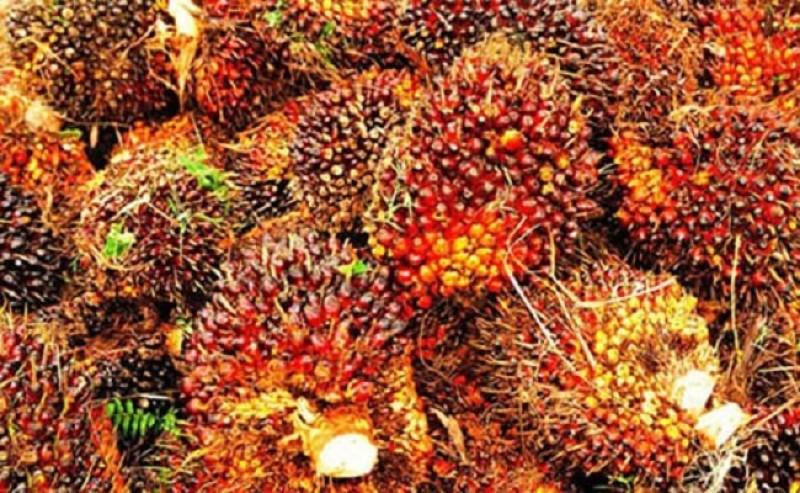
InfoSAWIT, PADANG – Fresh fruit bunch (FFB) prices for partner oil palm smallholders in West Sumatra reached Rp3,632.32 per kilogram (kg) for palms aged 10–20 years during the third pricing period of November 2026. The price applies from November 15 to 21, following a decision by the West Sumatra Provincial FFB Pricing Team.
The pricing meeting was held on Monday, November 16, 2026, at the Plantation Division Hall on Jalan Rasuna Said No. 77, Padang. The decision was documented in the official minutes issued by the West Sumatra Provincial Food Crops, Horticulture and Plantation Agency.
According to the official pricing minutes obtained by InfoSAWIT, the calculation for this period used a K Index of 93.77%. The CPO price was set at Rp14,126.23/kg, while palm kernel (PK) was valued at Rp12,812.05/kg. The shell value was set at Rp15.51/kg.
FFB from palms aged 10–20 years recorded the highest price at Rp3,632.32/kg.
West Sumatra FFB Prices – Third Period of November 2026
Based on the decision of the West Sumatra Provincial FFB Pricing Team, the following prices apply according to palm age:
3 years: Rp2,848.28/kg
4 years: Rp3,011.08/kg
5 years: Rp3,190.52/kg
6 years: Rp3,294.27/kg
7 years: Rp3,423.47/kg
8 years: Rp3,550.66/kg
9 years: Rp3,621.88/kg
10–20 years: Rp3,632.32/kg
21 years: Rp3,491.24/kg
22 years: Rp3,485.45/kg
23 years: Rp3,432.71/kg
24 years: Rp3,272.83/kg
25 years: Rp3,236.66/kg
The official minutes also state that FFB prices for the fourth period of November 2026, covering November 22–30, are scheduled to be determined on Tuesday, November 24.
The periodic pricing decision serves as a reference for FFB purchases from partner smallholders and cooperatives across West Sumatra. Regular price adjustments allow growers to monitor the value of their harvests based on palm age and applicable pricing provisions. (T2)
Disclaimer: This report is based on the official minutes of the West Sumatra Provincial FFB Pricing Team for the third period of November 2026, dated November 16, 2026. Actual FFB transaction prices at the farm level may vary depending on purchasing arrangements, fruit quality, and agreements between growers, cooperatives, and partner companies.