
NEW DELHI, InfoSAWIT – India's soybean oil imports surged to a record high in October 2026 as domestic demand strengthened ahead of the festive season. Increased supplies from South America further reinforced India's position as a major driver of global vegetable oil demand, while intensifying competition for the country's domestic soybean processing industry.
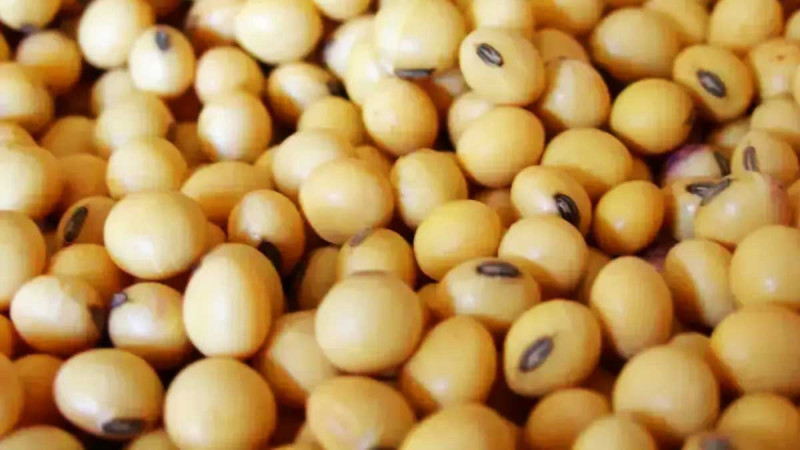
Trade data showed that India imported 660,500 tonnes of soybean oil in October 2026, representing a 7.4% increase from 615,000 tonnes in September.
The increase contributed to total Indian vegetable oil imports of 1.76 million tonnes, the highest level in more than two years.
According to CMB News, as reported by InfoSAWIT on Thursday, November 26, 2026, stronger demand ahead of the festive season and efforts to rebuild inventories at ports and across distribution channels were among the main factors behind the increase.
Competitive offers from South American suppliers also made imported soybean oil increasingly attractive to Indian buyers.
The substantial inflow of imported supplies has enabled Indian processors and refiners to meet domestic demand without relying excessively on local production. However, it has also increased competitive pressure on the domestic soybean processing industry.
Imported soybean oil, which offered a price advantage over sunflower oil, also influenced India's vegetable oil purchasing patterns. Importers increased their purchases of soybean oil and palm oil, while reducing the share of sunflower oil in their import mix.
India's Vegetable Oil Imports Reach Record 16.92 Million Tonnes
During the 2025/2026 marketing year, which ended in October 2026, India's total vegetable oil imports reached a record 16.92 million tonnes, up 5.7% from the previous marketing year.
Soybean oil imports increased 6.7% to 5.84 million tonnes. Meanwhile, palm oil imports reached 8.23 million tonnes, while sunflower oil imports stood at 2.85 million tonnes.
The figures highlight India's substantial dependence on international vegetable oil supplies. Approximately 55%–60% of the country's domestic vegetable oil consumption is still met through imports.
With imported supplies increasing and inventories rebuilding, domestic soybean prices in India are now increasingly influenced by crop production prospects and export parity prices.
These conditions are limiting opportunities for stronger processing margins in the domestic soybean industry. They are also reducing the support that demand for soybean meal (soymeal) would otherwise provide to soybean prices.
For the global vegetable oil market, India's rising imports remain an important factor in determining the balance of trade between soybean oil and palm oil.
Changes in purchasing patterns by one of the world's largest vegetable oil consumers could also influence price competition among soybean oil, palm oil, and sunflower oil.
With import volumes continuing to expand, India is further strengthening its position as a strategic destination for vegetable oil exporters worldwide. (T2)