InfoSAWIT, NUSA DUA – Indonesia is seeking to strengthen its palm oil industry by combining higher productivity with broader benefits for smallholders and stronger sustainability standards. Government priorities include smallholder replanting, plantation infrastructure and human resource development, alongside improvements to certification and supply chain traceability.
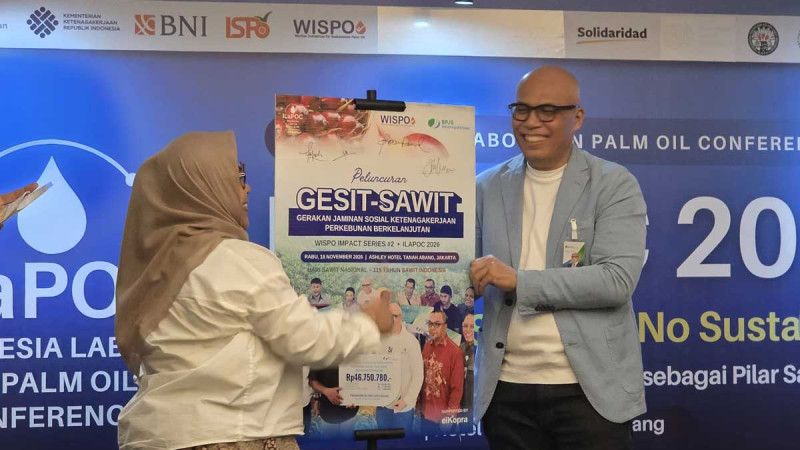
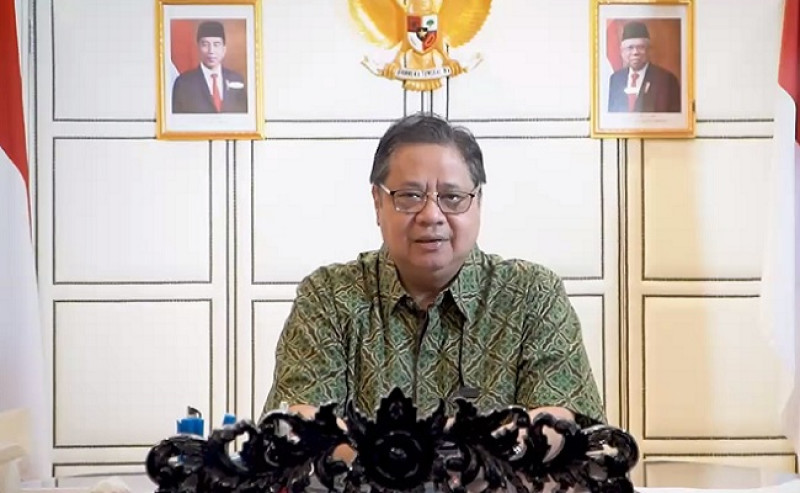
Coordinating Minister for Economic Affairs Airlangga Hartarto outlined the government’s approach during the 22nd Indonesian Palm Oil Conference (IPOC) 2026 and 2027 Price Outlook in Bali on Thursday, November 12, 2026, an event attended by InfoSAWIT.
Airlangga said smallholders remained central to the long-term sustainability of the industry. Government support would therefore continue through the Smallholder Oil Palm Replanting Programme (PSR), plantation facilities and infrastructure, education, scholarships, technical training and skills development.
Replanting is particularly important for plantations that have reached the end of their economically productive cycle. Its implementation, however, requires adequate financing, access to quality planting materials, technical assistance and farmers’ readiness to adopt good agricultural practices.
ISPO and Traceability in Focus
The government is also strengthening the Indonesian Sustainable Palm Oil (ISPO) certification scheme as a national instrument for improving sustainability across the sector.
Airlangga said the government was developing a palm oil information system to improve the integration of plantation certification data and supply chain information.
The initiative comes as international markets increasingly scrutinise product origins, environmental compliance and supply chain transparency. Better data integration is expected to strengthen oversight and provide more connected information on production processes.
However, smallholders, particularly independent farmers, still face challenges in accessing certification, technical assistance, financing and plantation records. These barriers need to be addressed to ensure they can participate in more transparent supply chains.
Airlangga also highlighted sustainable biodiesel development as part of Indonesia’s energy transition. Expanding the use of palm-based energy, he said, must be managed alongside feedstock availability, food needs and sustainable plantation production.
He emphasised the importance of cooperation among government, businesses, researchers, farmers and international stakeholders in addressing increasingly complex market and sustainability challenges.
Through IPOC 2026, the government hopes dialogue and collaboration will help maintain Indonesia’s palm oil competitiveness while supporting global food security, energy security and the national economy. (T2)