InfoSAWIT, JAKARTA – Indonesia’s palm oil industry has once again reaffirmed its role as one of the country’s key economic pillars, contributing significantly to export earnings, downstream industrialization, renewable energy development, and the welfare of millions of Smallholders.
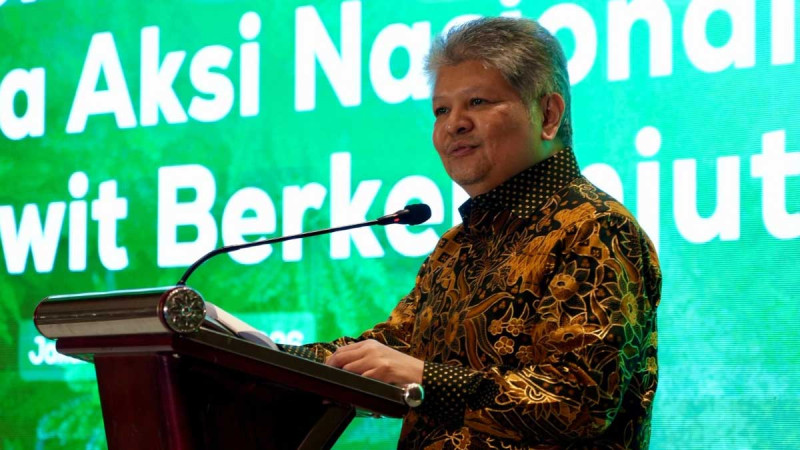
Senior Advisor for Connectivity and Service Development at the Coordinating Ministry for Economic Affairs, Dida Gardera, revealed that the palm oil sector contributes approximately 3.5% of Indonesia’s Gross Domestic Product (GDP).
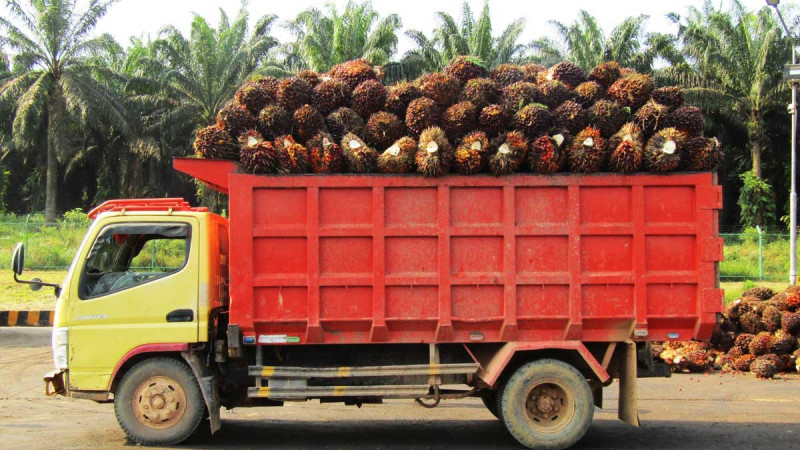
“The contribution of the palm oil industry is substantial, around 3.5% of our GDP. Export value in 2025 also reached a record of approximately US$40 billion, with export volume hitting 38.84 million tons, up 11% year-on-year,” he said during the National Coordination Meeting on the Sustainable Palm Oil National Action Plan (RAN-KSB).
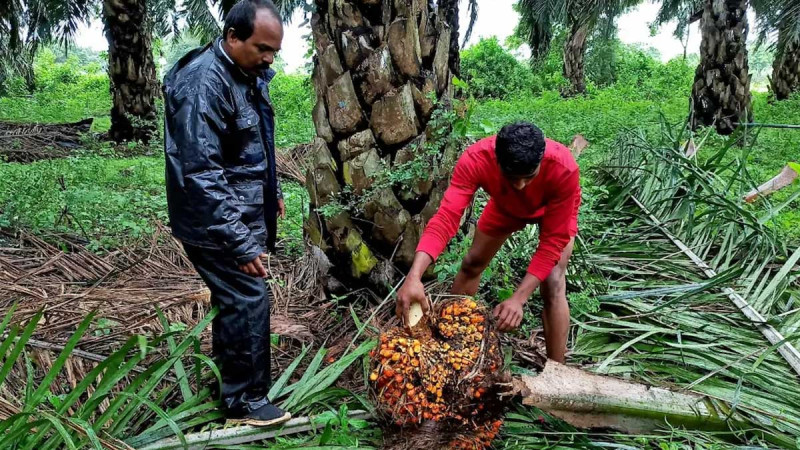
The strong export performance confirms palm oil’s position as one of Indonesia’s leading global commodities. Beyond foreign exchange earnings, the sector also generates broad multiplier effects domestically, particularly through rising FFB prices that positively impact Smallholders’ incomes.
Domestically, palm oil utilization for renewable energy continues to expand. Following implementation of the B35 biodiesel mandate in 2024, the government introduced B40 in 2025 and is now preparing for B50 implementation, a move aimed at strengthening national energy security while reducing fossil fuel imports.
The government estimates the biodiesel policy could generate savings of around Rp48 trillion through lower fossil fuel imports, while increasing domestic palm oil absorption.
Dida also noted that downstream development has transformed the industry structure. Whereas crude palm oil exports once dominated shipments, raw CPO exports now account for only around 8% of total exports, reflecting stronger domestic value addition through processed palm-based products.
“Collective commitment is essential to ensure palm oil remains a leading commodity and a major instrument for improving public welfare,” Dida concluded.
The coordination meeting was attended by officials from multiple ministries, academics, RAN-KSB policy advisors, and representatives from the United Nations Development Programme to discuss strengthening sustainable palm oil policy from upstream to downstream. (T2)