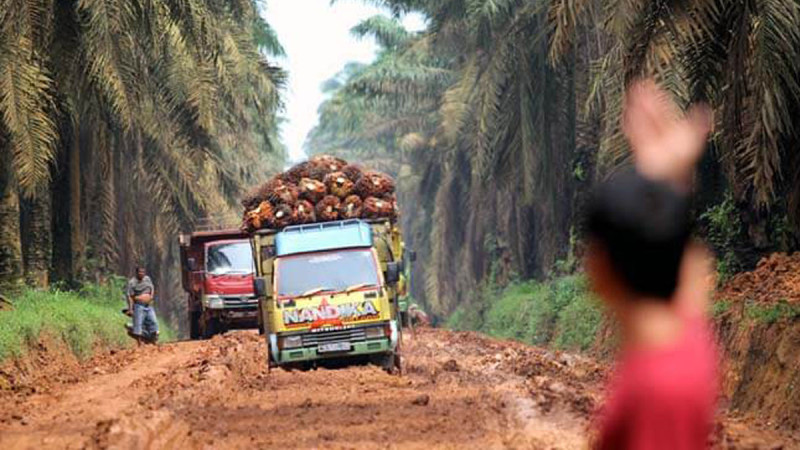
InfoSAWIT, JAKARTA – Indonesia’s palm oil fund agency infrastructure support program has been designed to strengthen the operational foundations of independent palm smallholders, covering assistance ranging from certified seedlings and fertilizers to farm transport equipment, agricultural machinery, plantation roads, and water management systems.
Between 2020 and the end of 2025, total disbursement under the program reached Rp200.64 billion, reflecting the government’s continued commitment to improving smallholder productivity and infrastructure quality.
Yet on the ground, access to these benefits remains far from straightforward.
Many independent smallholders continue to face lengthy administrative procedures, layered documentation requirements, and years of field assistance before proposals can formally enter the approval pipeline.
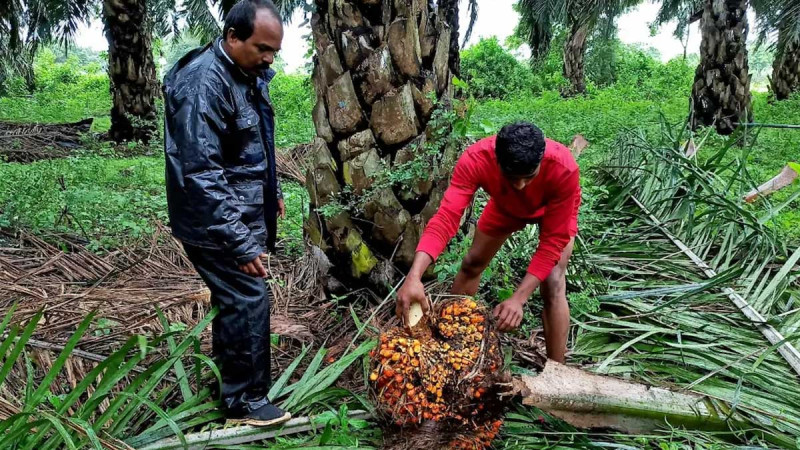
That reality is clearly reflected in North Aceh, where the Serikat Petani Kelapa Sawit (SPKS) has spent years assisting smallholders in submitting proposals for plantation road rehabilitation.
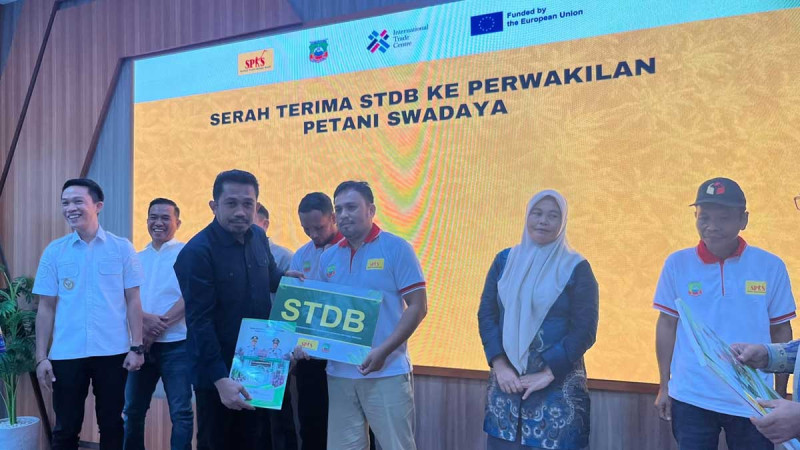
According to Abubakar AR, Head of SPKS North Aceh, the organization recently accompanied farmers in submitting a road improvement proposal through the Berkat Bunga Damai Plantation Producers Cooperative to the Directorate General of Plantations.
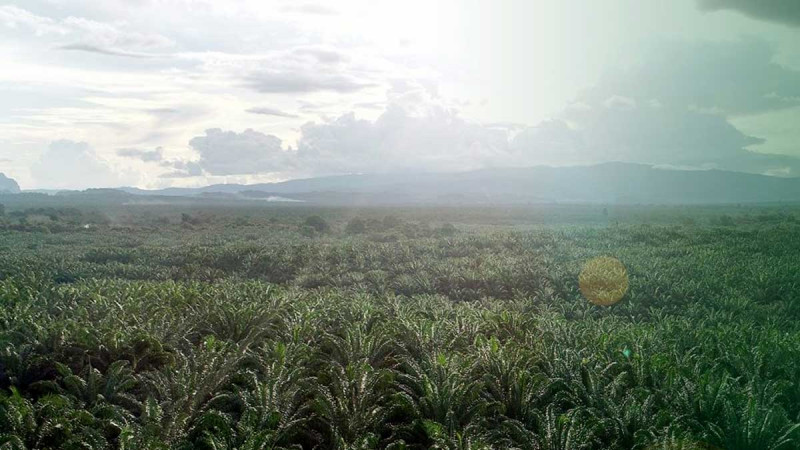
If approved, the project would benefit at least 345 smallholder households managing around 780 hectares of oil palm plantations across four villages—Cot Girek, Seureuke, Lubok Pusaka, and Buket Linteung.
But reaching that submission stage required more than two and a half years of preparation, including farmer outreach, field mapping, physical plantation surveys, document collection, and land legality verification.
Abubakar said the process demanded substantial time, energy, and financial commitment from farmer institutions that already operate with limited administrative capacity.
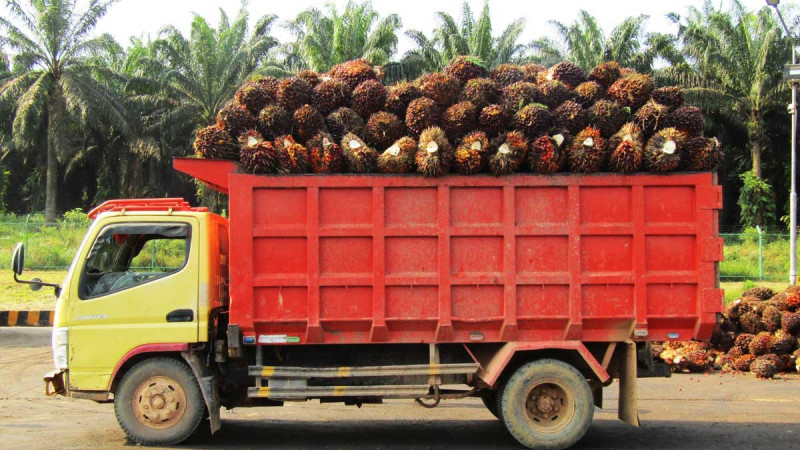
Meanwhile, plantation roads in many smallholder production areas have deteriorated badly after years without maintenance, making it increasingly difficult for farmers to transport fresh fruit bunches to palm oil mills efficiently—directly affecting logistics costs and farm incomes.
For many growers, infrastructure is not merely supporting equipment; it is a core productivity asset.
The North Aceh case highlights a broader policy challenge: while the BPDP infrastructure program is running, access mechanisms still need to become more inclusive, simpler, and faster, particularly for independent smallholders who often lack institutional support.
Without streamlined access, the farmers most in need of assistance may remain the hardest to reach. (T2)