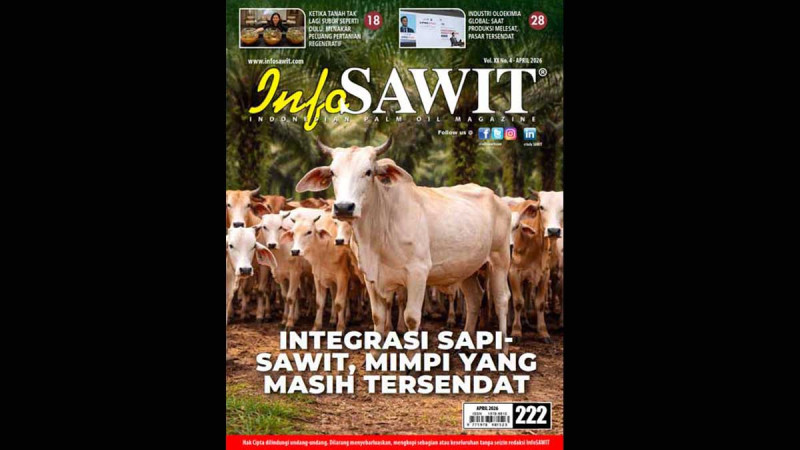
InfoSAWIT, JAKARTA – The integration of cattle farming into oil palm plantations is once again gaining attention in Indonesia as policymakers and industry players search for practical solutions to narrow the country’s widening beef supply deficit.
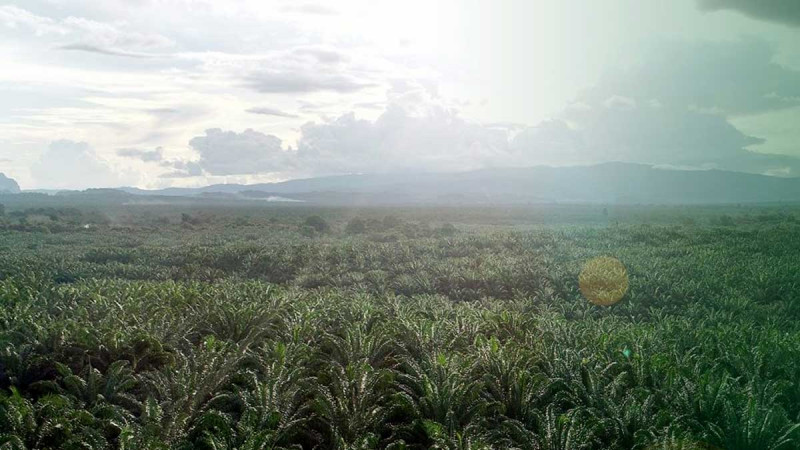
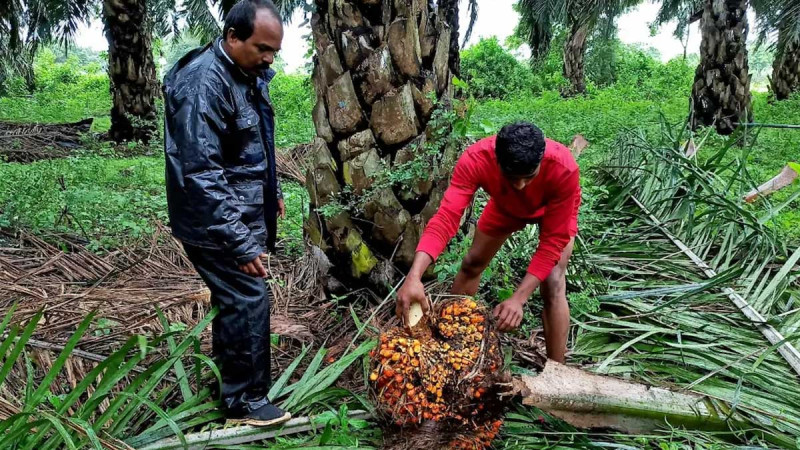
The concept is compelling: vast oil palm estates can serve as grazing areas, while vegetation beneath palm canopies can be utilized as a nutritious feed source, allowing a single landscape to produce two commodities simultaneously—palm oil and beef.
From a sustainability standpoint, the model promises land-use efficiency, stronger agricultural diversification, and reduced feed costs. In theory, it could become a cornerstone of Indonesia’s ambition to improve domestic beef production without requiring large-scale new pastureland development.
Yet implementation on the ground has proven far more complex.
Early-stage development of palm-cattle integration faced regulatory bottlenecks, largely because it sits at the intersection of two sectors—plantation and livestock—each governed by different technical standards, institutional frameworks, and policy approaches.
Operationally, introducing cattle into oil palm estates also requires significant management adjustments to ensure grazing activities do not disrupt plantation productivity, while maintaining healthy livestock growth and proper disease management.
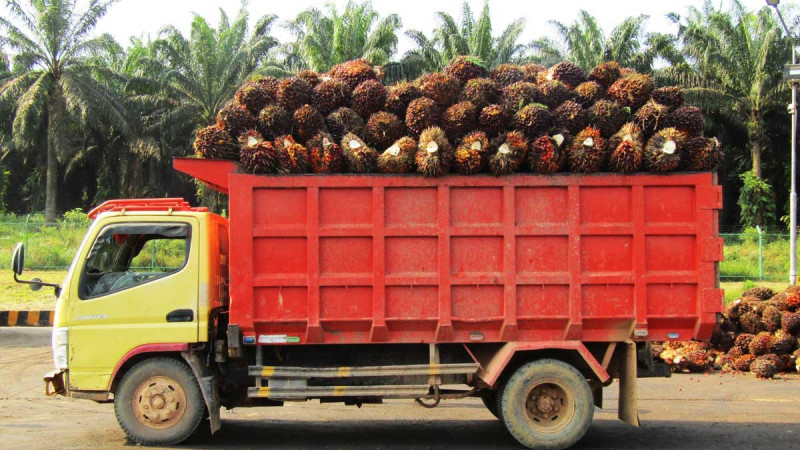
One of the more successful examples has emerged in South Kalimantan, where dozens of palm-cattle integration clusters have been established, supported by suitable grazing land and stable fresh fruit bunch (FFB) production. Cattle populations in these clusters have continued to grow, demonstrating that the concept can work under the right ecosystem.
However, replication at the national scale remains limited.
The bigger question now is whether palm-cattle integration can become commercially viable at industrial scale. At the end of the day, success will not be determined by concept alone, but by production economics—particularly the cost of producing each kilogram of beef.
Without strong efficiency gains, competitive margins, and scalable business models, the program risks remaining a promising pilot rather than becoming a national solution.
For Indonesia, palm-cattle integration may still offer a strategic pathway toward food security—but turning potential into industry requires more than optimism. It requires policy clarity, operational discipline, and business competitiveness. (T2)