InfoSAWIT, JAKARTA — Indonesia’s plantation policy is increasingly skewed in favor of palm oil, leaving rubber farmers struggling amid weak prices, rising costs, and limited state support, according to the South Sumatra chapter of the Indonesian Rubber Farmers Association.
Supartijo, Chairman of the South Sumatra Regional Board of APKARINDO, said the government has aggressively promoted palm oil through licensing incentives, financing institutions, and downstream industry policies, while rubber — long regarded as a people-based commodity — has been sidelined.
“Palm oil is positioned as a pillar of foreign exchange, energy security, and downstream industry. The level of policy support is extraordinary,” Supartijo told InfoSAWIT on Friday (2/1/2026). “But at the same time, rubber farmers are left to survive on their own.”
He stressed that rubber remains a critical livelihood for millions of households across Sumatra and Kalimantan and has historically supported rural economies and domestic industries. However, low and volatile prices, ageing plantations, and limited government intervention have eroded farmer resilience.
Supartijo noted that while palm oil benefits from comprehensive policy support — including dedicated funding bodies, guaranteed market absorption, and incentives for industrialisation — smallholder rubber plantations face mounting challenges. Many rubber trees are old and unproductive, yet replanting remains difficult due to high costs and a lack of practical technical assistance.
Beyond pricing issues, plant diseases such as leaf fall have spread widely in recent years, sharply reducing yields. Supartijo said there has been no structured national response to address these threats.
He also criticised strict land-clearing regulations, which prohibit burning but are not accompanied by adequate equipment subsidies or technical support. “The state enforces rules but is absent when it comes to solutions. What follows is not environmental protection, but farmer impoverishment,” he said.
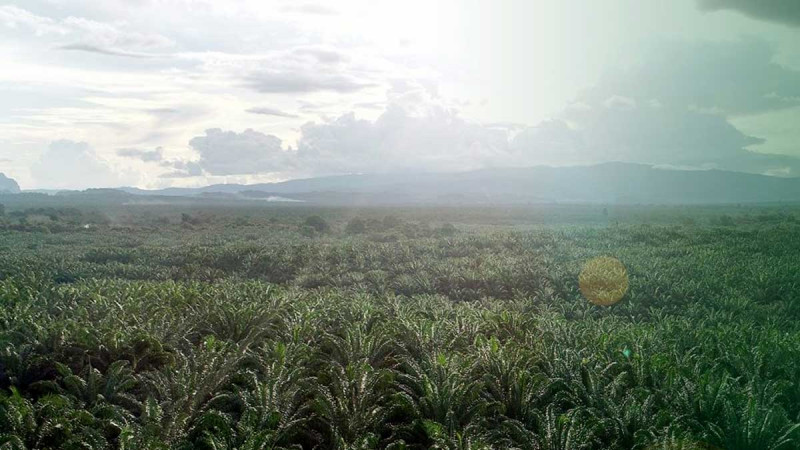
Under mounting pressure, many rubber farmers have begun converting their land to palm oil. Supartijo warned that this trend risks increasing monoculture dependence and undermining ecological balance.
“This is not about palm versus rubber. It is about policy direction and fairness,” he said, urging the government to introduce replanting programmes, disease control initiatives, price stabilisation mechanisms, subsidised fertilisers, and sustained technical assistance for rubber farmers. (T2)