InfoSAWIT, BANDUNG — The massive floods that recently struck several regions in Sumatra arrived with little warning. Within just one to three days, rainfall equivalent to an entire month poured down simultaneously, releasing water volumes estimated at 2.24 times the capacity of Jatiluhur Dam.
The devastation was immense: more than a thousand people lost their lives, hundreds remain missing, and nearly half a million were displaced. While far smaller in scale than the 2004 Aceh tsunami, the floods shared a terrifying similarity—massive volumes of water inundating land simultaneously.
Environmental degradation worsened the disaster. Mining activities and deforestation stripped landscapes of natural buffers, allowing floodwaters to surge unimpeded. Logs weighing several tons were swept downstream, destroying homes, bridges, and public infrastructure.
Meteorological data recorded extreme rainfall of up to 411 millimeters per day in Aceh, far exceeding soil absorption capacity. Once saturated, rainfall turned entirely into surface runoff, creating powerful currents capable of carrying massive debris.
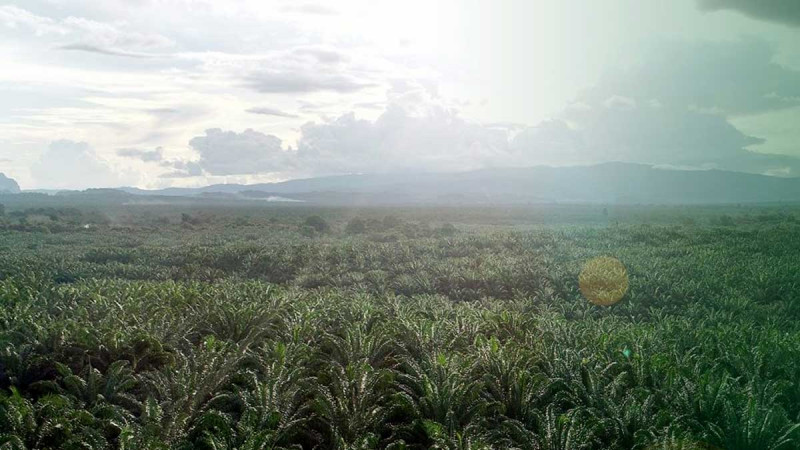
The floods have reignited debates over deforestation and palm oil expansion. However, experts caution against oversimplification, noting that urban areas with little forest cover also suffer recurring floods. Ultimately, extreme water volume driven by climate anomalies remains the dominant factor.
The disaster underscores the urgent need for comprehensive mitigation—accelerated dam construction, improved watershed management, stricter environmental enforcement, and adaptive reservoir operations.
Without serious corrective action, Sumatra’s floods stand as a warning that future disasters may only grow deadlier. (*)
By Memet Hakim, Social and Hydrology Observer
Disclaimer: This opinion is solely the author’s responsibility.