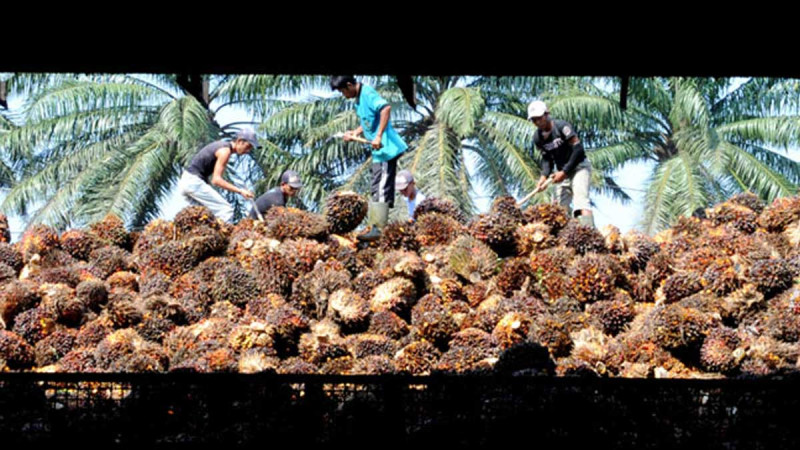
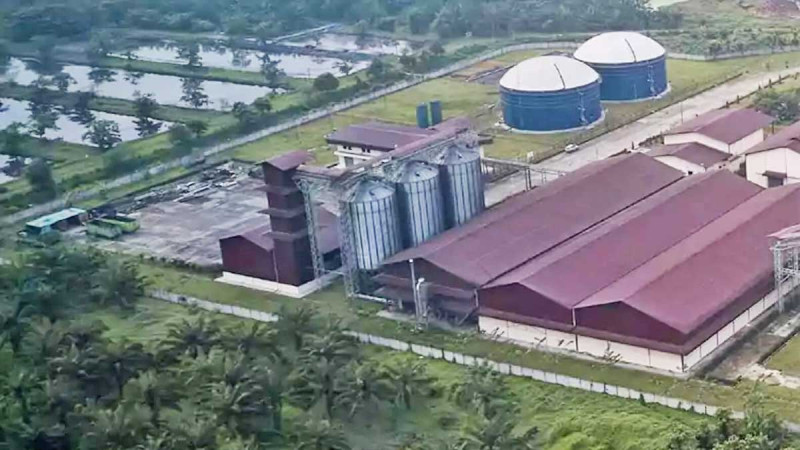
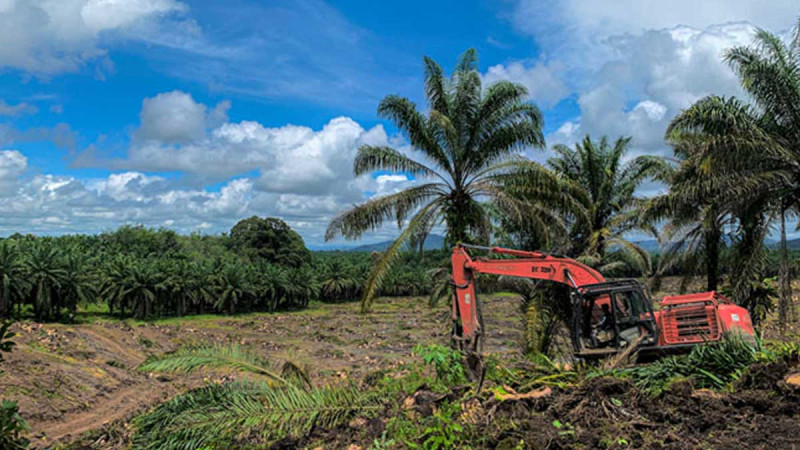
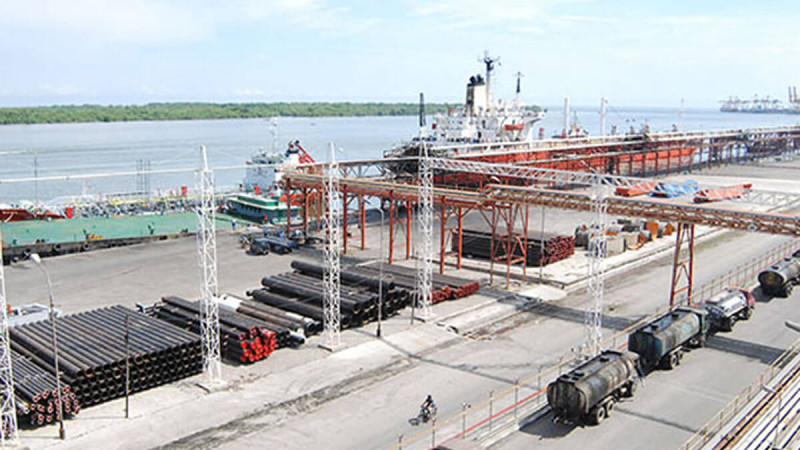
InfoSAWIT, PALEMBANG — Efforts to boost national palm oil productivity took center stage at the Technical Meeting on Palm Oil Plantations and Mills themed “Strategies for Increasing Palm Oil Productivity”, held at Aryaduta Hotel Palembang on Tuesday (9/12/2025).
Indonesian Planters Society (IPS) Chairman Jamalul highlighted Indonesia’s estimated crude palm oil (CPO) production of 46–47 million tons by the end of 2025—representing around 58% of global output. This solidifies Indonesia’s position as the world’s largest supplier and a key stabilizer for global vegetable oil markets.
Global CPO production is projected at 80.3 million tons, with Indonesia and Malaysia accounting for 85–87% of supply. Indonesia’s main export markets remain unchanged: India, China, and the European Union.
However, Jamalul warned that challenges persist. Ganoderma disease, climate change, and slow replanting programs threaten long-term productivity.
“If pest and disease issues are not handled seriously, plantation yields will continue to deteriorate,” he said.
He emphasized strict field sanitation, the use of disease-resistant seeds, and disciplined estate management as essential prevention measures.
Technology as a Productivity Catalyst
Jamalul noted that digital technologies—AI and IoT—are now making a real impact in plantations. These technologies enable real-time monitoring, early pest detection, and improved operational efficiency from fertilization to harvesting.
“This is no longer future technology; it is a basic necessity for raising productivity,” he said.
Sustainable agricultural practices are also becoming increasingly critical, including organic fertilization, better waste management, and improved water efficiency.
At the upstream level, high-quality seeds remain the core driver of productivity. Seeds derived from superior parent trees offer better resistance to pests and diseases and optimal yield potential.
“Investing in quality seeds is investing in the future of the palm oil industry,” Jamalul said.
The meeting served as a consolidation platform for planters, mill operators, researchers, and academics to strengthen collaboration amid global industry dynamics. IPS believes Indonesia’s palm oil productivity can continue to improve through technological advancement and sustainable practices. (T2)