

InfoSAWIT, NANNING – Indonesia is strengthening its position as a producer of sustainable palm oil at the "Dialogue For China’s Green Policy II Indonesia" forum. Held on the sidelines of the CAEXPO–CABIS 2025 in Guangxi, the event brought together key figures from the Indonesian palm oil sector and its international partners, particularly from China, to discuss export strategies, technological innovation, and sustainability commitments.
The forum was initiated by the Palm Oil Plantation Fund Management Agency (BPDP), which is actively promoting sustainable palm oil. Deputy Director for Primary Product Export Development at the Ministry of Trade, Miftah Farid, delivered a keynote speech highlighting China's vital role in Indonesia's palm oil trade. "In the first half of 2025, China was the primary destination for Indonesia's palm oil exports, with a volume of approximately 1.74 million tons, or 14% of our total national exports," he stated.
However, Farid emphasized that Indonesia is not solely focused on export volume. "We must encourage downstream processing, innovation, and environmentally friendly agricultural practices to make Indonesian palm oil products more competitive in the global market," he added.
Sany Anthony, Vice Chairman of the Indonesian Palm Oil Association (GAPKI), stressed that the international market now demands commodities that are not only competitively priced but also certified for sustainability. "This is an opportunity for Indonesia to strengthen export cooperation, support ISPO and RSPO certification, and add value to palm oil products through downstream processing," he said.
Data from the Central Statistics Agency (BPS) indicates that Indonesia's palm oil exports in the first half of 2025 reached 12.4 million tons, valued at approximately US$13.53 billion. While China absorbed 1.74 million tons of this, Indonesia's overall palm oil exports to China saw a sharp decline in 2024 to 4.48 million tons, down from 7.73 million tons in 2023. This decrease underscores the urgency of new strategies, including market diversification, downstream processing, and enhanced sustainability practices.
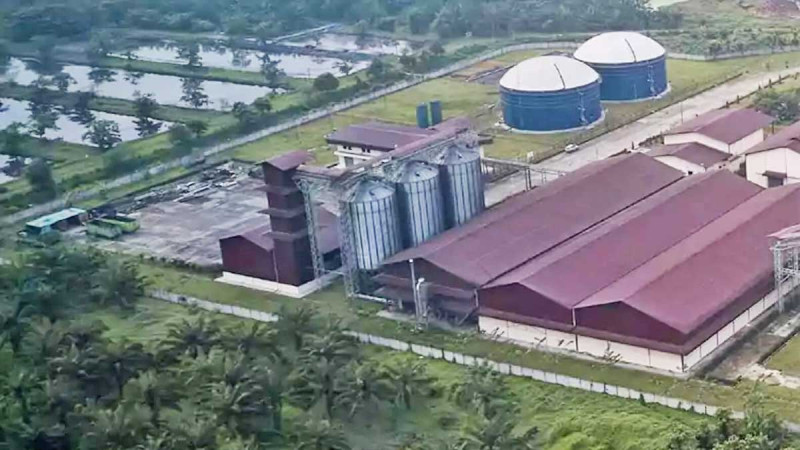
Malaysia was cited as a major competitor, taking aggressive steps by establishing processing facilities and storage tanks directly in China to strengthen its position in the market. Ben Perkasa Drajat, the Indonesian Consul General in Guangxi, described the forum as strategic, providing a significant platform for collaboration. "Last year, a similar forum yielded significant results. This year, the focus is on joint ventures, technology transfer, and research cooperation between Indonesia and China," he said.
Through the "Dialogue For China’s Green Policy II Indonesia," the Indonesian government hopes to strengthen its palm oil market access to China, accelerate downstream product development, and ensure that environmentally friendly agricultural practices form the foundation of the national palm oil industry's future. (T2)