InfoSAWIT, JAKARTA – High Conservation Value (NKT) is not merely a requirement for ISPO and RSPO certification. For independent palm oil farmers, NKT serves as a guardian of biodiversity and a frontline defense against the increasingly evident challenges of climate change.
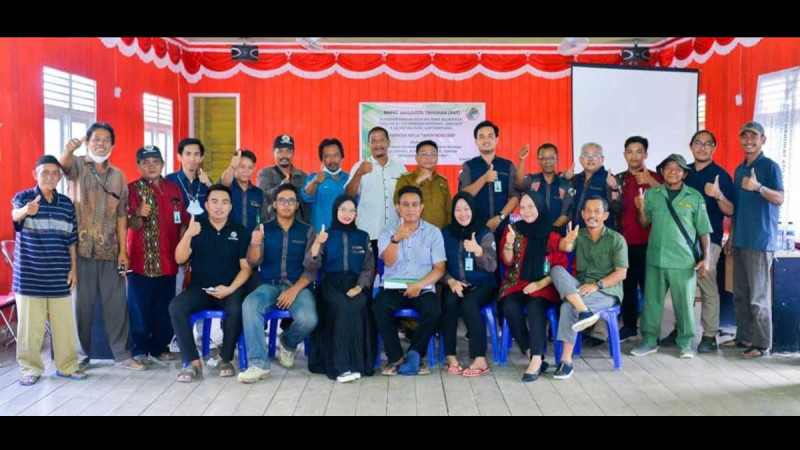
The Indonesian Sustainable Palm Oil Farmers Forum (FORTASBI) emphasizes the importance of optimal NKT management, not only to meet certification principles and criteria but also as a strategic step to maintain ecosystem balance. “NKT should be viewed as a long-term investment, not just an obligation. It acts as a biodiversity shield, an air filter, a water clarity protector, and a climate stabilizer,” stated a key message from FORTASBI, as reported by InfoSAWIT in its latest report on Tuesday, July 22, 2025.
NKT encompasses areas of significant biological, ecological, social, and cultural value. In the hands of independent palm oil farmers, NKT can be managed directly with a local approach that has global impacts.
As of June 2025, FORTASBI data indicates that its members have preserved 121 kilometers of river conservation areas, 1,246 hectares of riverbanks, 485.24 hectares of peatland, and 157.2 hectares of forest areas. These areas are not only protected but also sustainably managed to maintain their functions in climate change mitigation. This effort aims to curb the rise in global temperatures, reduce extreme weather events, and strengthen the resilience of smallholder plantations.
NKT preservation can be achieved through simple steps that farmers can implement, such as conserving endemic flora and fauna, rehabilitating degraded land, and protecting water sources and rare ecosystems. These efforts also ensure the sustainability of ecosystem services, from natural pollination to carbon absorption.
“Independent palm oil farmers play a crucial role in driving change. Well-managed NKT can become an effective carbon reservoir,” said a representative from FORTASBI.
The presence of NKT in smallholder palm oil plantations, when consistently maintained, will not only support ecological balance but also strengthen farmers' positions in the sustainable palm oil supply chain. More than that, it represents a tangible contribution from farmers to protect the Earth.
Investing in the protection and management of NKT is not just a moral responsibility but also a wise step towards a resilient future for Indonesia's palm oil sector in the face of the climate crisis—ensuring the continued prosperity of sustainable palm oil farmers. (T2)