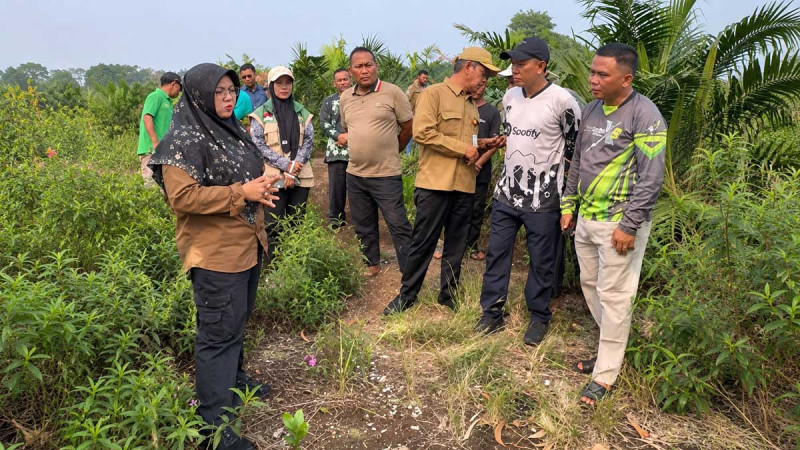
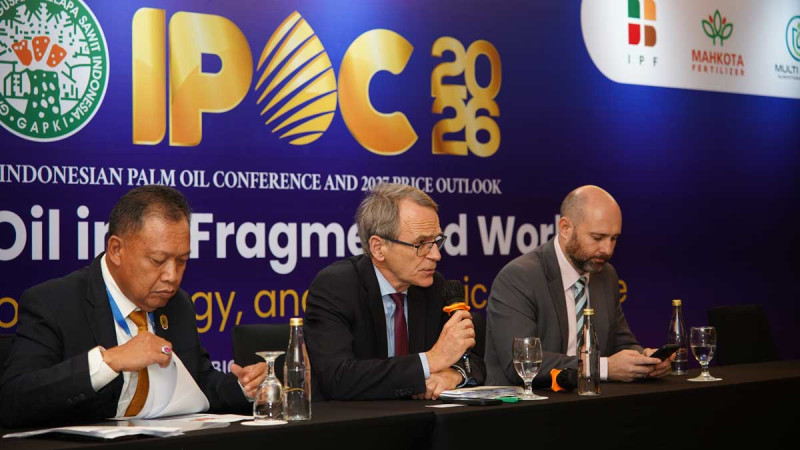
InfoSAWIT, JAKARTA – Beyond governance issues, GAPKI Chairman Eddy Martono also highlighted persistent hurdles facing Indonesia’s Smallholder Oil Palm Replanting program (Peremajaan Sawit Rakyat/PSR), particularly for farmers whose plantations are located inside forest zones.
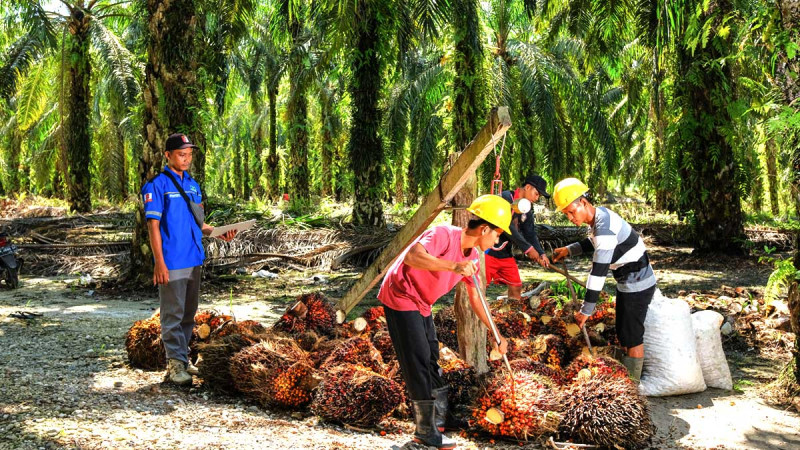
Eddy said this situation prevents many smallholders from accessing replanting funds, creating a bottleneck in efforts to accelerate rejuvenation and improve productivity.
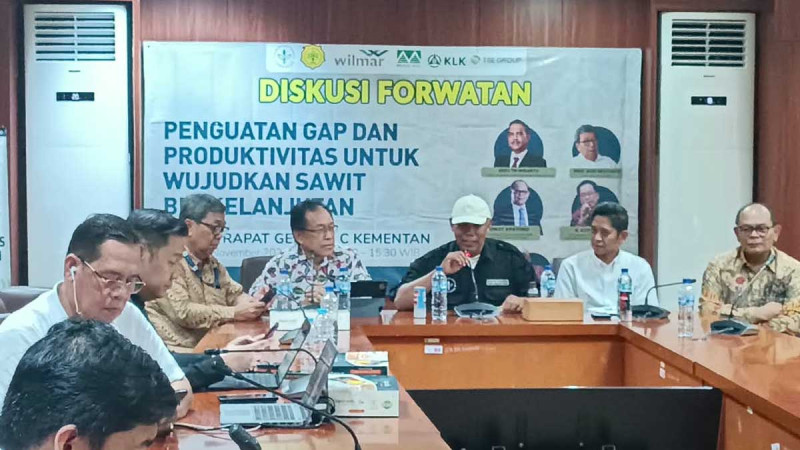
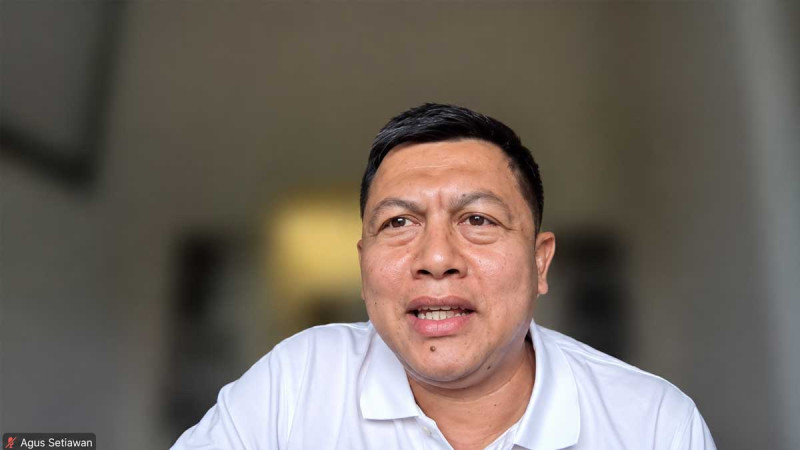
“Some smallholder plantations fall inside forest areas, so they cannot access the funds,” Eddy said during the Plantation Outlook 2026 Webinar attended by InfoSAWIT on Thursday (Jan 15, 2026).
He also observed that many farmers remain reluctant to replant because they fear losing their income during the replanting period, when crops have not yet produced fruit.
Eddy suggested that more flexible financing schemes are needed to support farmers, such as transitional income support or loan mechanisms.
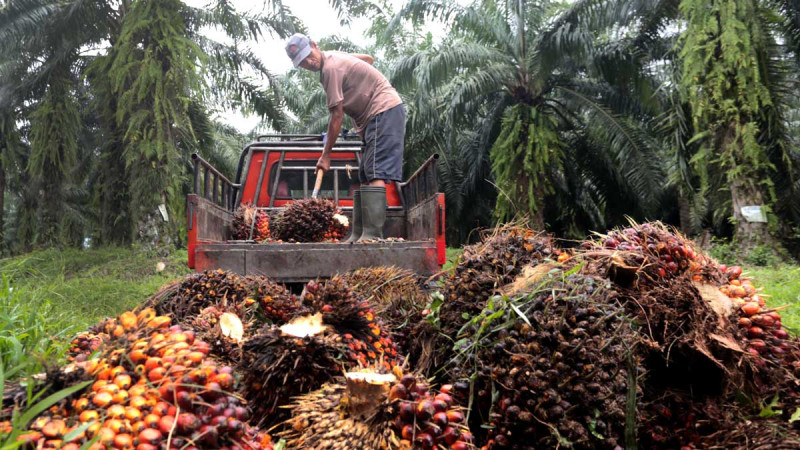
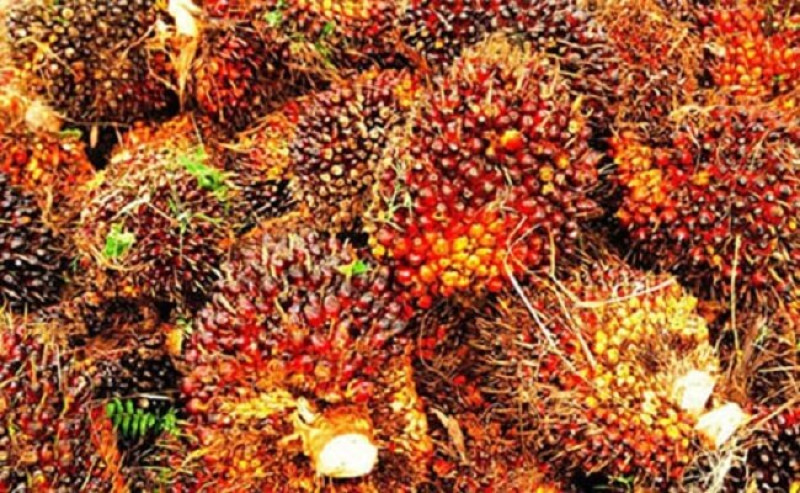
He stressed that smallholder productivity could increase significantly through replanting using high-quality seedlings and better farm management. As an illustration, he said plantations producing around 10 tons of fresh fruit bunches (FFB) per hectare per year could potentially rise to more than 20 tons after replanting and improved management.
“With good seedlings and good management, production can increase. This is important so we remain a leading palm oil producer,” Eddy said.
He called for stronger coordination between the government and industry to speed up PSR implementation, improve logistics, and reinforce data-driven governance to sustain the long-term resilience of Indonesia’s palm oil industry. (T2)