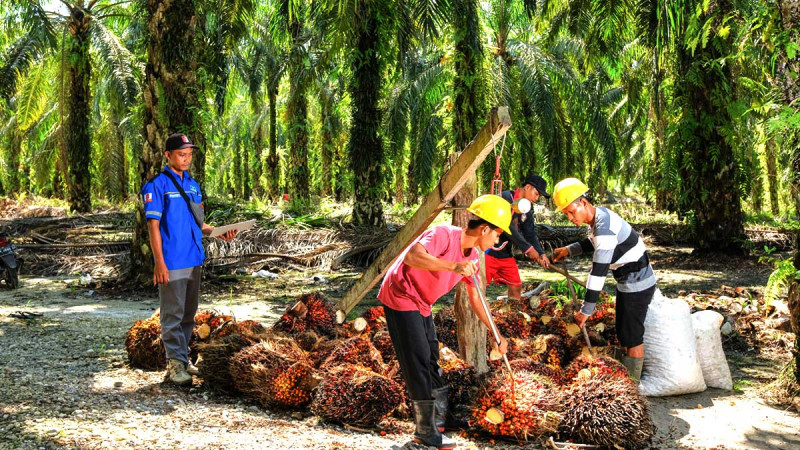
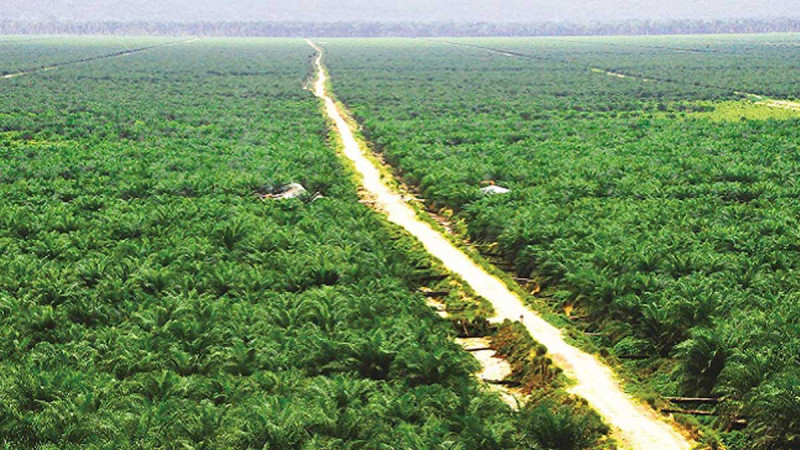
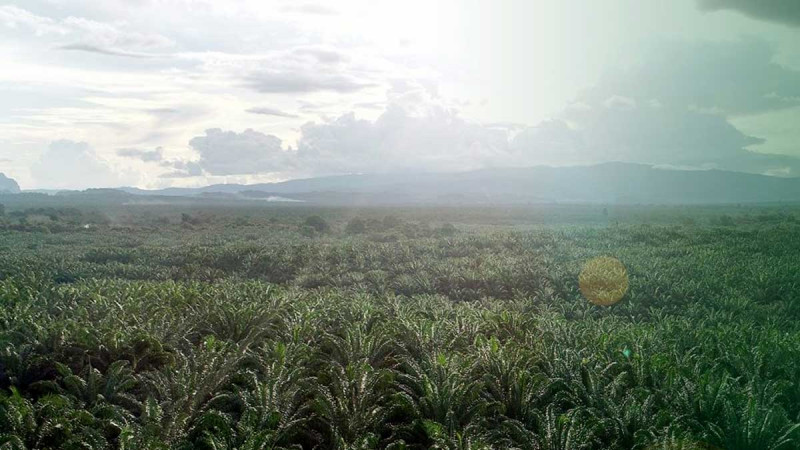
InfoSAWIT, JAKARTA — Indonesia’s smallholder palm oil farmers typically manage plots of two to five hectares, relying on farming practices passed down through generations. While largely experience-based, this traditional knowledge forms the backbone of smallholder palm oil management.
This was highlighted by Eka Purnamasari, Agroecology Research Officer at WWF Indonesia, during a Smallholder Talk session organized by Fortasbi on Tuesday (Dec 30, 2025).
According to Eka, traditional practices must be integrated with sustainable palm oil certification principles to ensure production continues without compromising environmental quality.
“At its core, sustainable palm oil certification provides guidance so farmers can continue cultivating oil palm while protecting the environment,” she said.
Certification frameworks emphasize several key elements, including ensuring plantations are established on clean and clear land—not forest areas—and have clear land ownership status. These factors are fundamental to regulatory compliance and long-term sustainability.
On the cultivation side, farmers are introduced to stratification systems that outline simple steps, from fertilizer selection and dosage to harvest record-keeping. These practices align with Good Agricultural Practices (GAP), aimed at maintaining efficiency, environmental stewardship, and stable productivity.
Beyond technical aspects, certification also addresses environmental and social dimensions. Environmental protection is prioritized, while social standards include strict prohibitions against child labor in any plantation-related activities.
Eka noted that many certification principles already align with traditional farming values that respect nature. The challenge lies in strengthening, documenting, and aligning this knowledge with recognized sustainability standards.
“This is no longer about a list of prohibitions. The key is guiding palm oil cultivation toward restoring ecosystem functions,” she explained.
With a participatory approach, sustainable palm oil certification can serve as a powerful empowerment tool for smallholders—supporting livelihoods while ensuring long-term environmental sustainability. (T2)