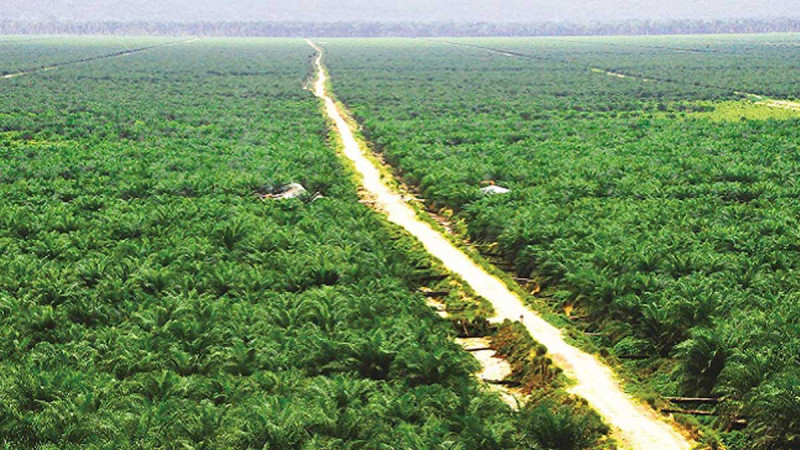
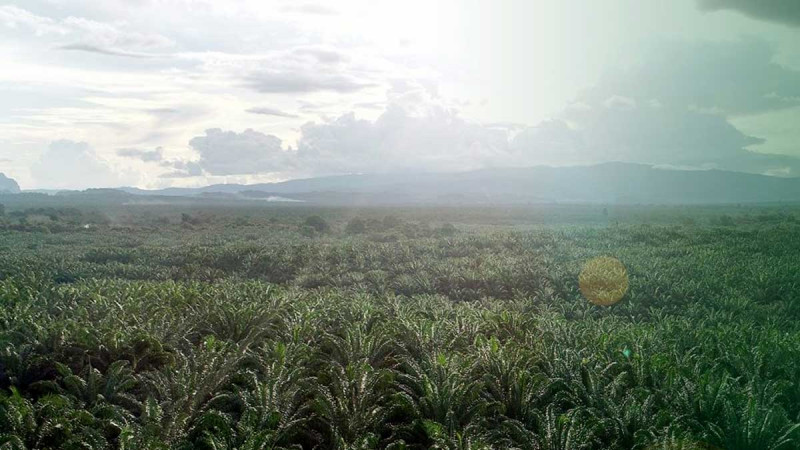
InfoSAWIT, JAKARTA — Plans to open hundreds of thousands of hectares of new oil palm plantations have reignited public debate over the crop’s environmental impact. Some argue that oil palm plantations function similarly to forests in water absorption and flood prevention—an assumption challenged by academics.
Forestry lecturer at the University of Muhammadiyah Malang (UMM), Febri Arif Cahyo Wibowo, cautioned that equating oil palm with forest ecosystems is misleading and risks distorting public understanding of environmental carrying capacity.
“Oil palm is a plantation crop, not a forest species. Its ecological capacity cannot be equated with natural forests,” Febri said, as cited by InfoSAWIT from UMM’s website.
He explained that oil palm’s shallow fibrous roots limit water absorption, unlike forest trees whose deep roots stabilize soil and regulate hydrology. Monoculture plantation systems further increase erosion risks, particularly on sloping land.
IPB University agribusiness policy professor Bayu Krisnamurthi echoed the call for proportional assessment. While acknowledging palm oil’s economic importance—employing up to 20 million Indonesians—he emphasized that its ecological limits must be recognized.
“Oil palm is not a tropical forest in terms of biodiversity, ecological capacity, or hydrological function,” Bayu said.
The debate highlights the need for science-based, precautionary policies to ensure palm oil expansion does not undermine environmental resilience or public safety. (T2)