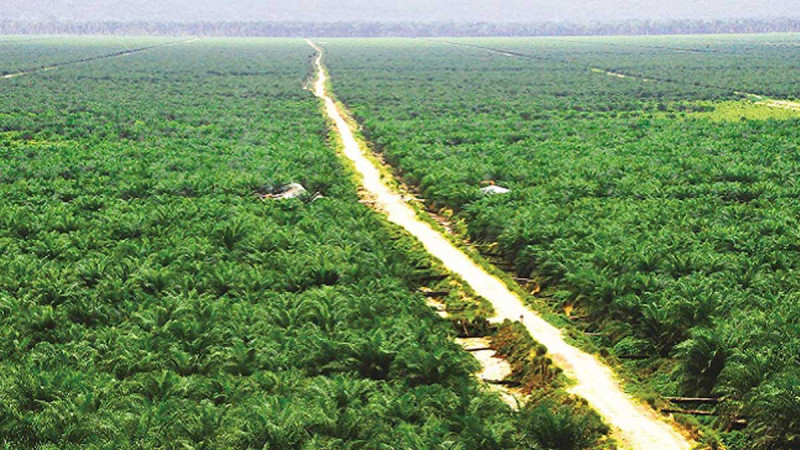
InfoSAWIT, BALI — Global palm oil production is expected to remain stagnant in 2026 as producers grapple with weather disruptions, aging trees, and rising input costs. The outlook, delivered by Chandran Gunalan, Director of Strategy and Policy at the Council of Palm Oil Producing Countries (CPOPC), underscores growing concern that the industry may struggle to boost supply next year.
Speaking at a palm oil industry conference in Bali in mid-November 2025, Chandran projected global output at around 82 million tonnes—nearly unchanged from 2025 and only slightly above the estimated 79 million tonnes recorded in 2024.
La Niña, aging trees, and slow replanting weigh on production
Chandran warned that the intensity of the La Niña weather phenomenon could disrupt harvesting operations across major producing regions. Excessive rainfall often hampers fieldwork and logistics.
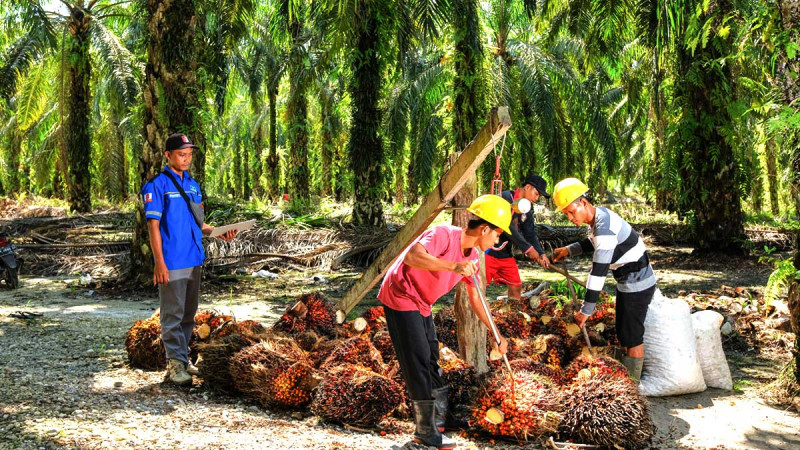
Compounding the problem is the rising number of oil palm trees older than 25 years in Malaysia, coupled with the slow progress of replanting programs in Indonesia. Older trees yield significantly fewer fresh fruit bunches, dragging down productivity.
As the world’s top producers, Indonesia and Malaysia are expected to post muted production levels, with estimates hovering around 50 million tonnes and 20 million tonnes, respectively.
High fertilizer prices over the past two years have also prompted many growers—especially smallholders—to reduce application rates, further weakening yield prospects.
Idle seized plantations raise concerns
Chandran also highlighted underutilized plantation areas seized by the Indonesian government, warning that without structured management, they risk turning into idle land.
While Asia’s leading producers face stagnation, Latin America is steadily expanding its output. Colombia, for instance, is projected to produce 2 million tonnes this year, up from 1.9 million tonnes previously.
Diplomacy intensifies amid EU deforestation rules
CPOPC officials have been actively engaging with European lawmakers over the implementation of the EU Deforestation Regulation (EUDR). One priority, Chandran noted, is ensuring that smallholders are not left behind and can meet traceability requirements set by the policy. (T2)