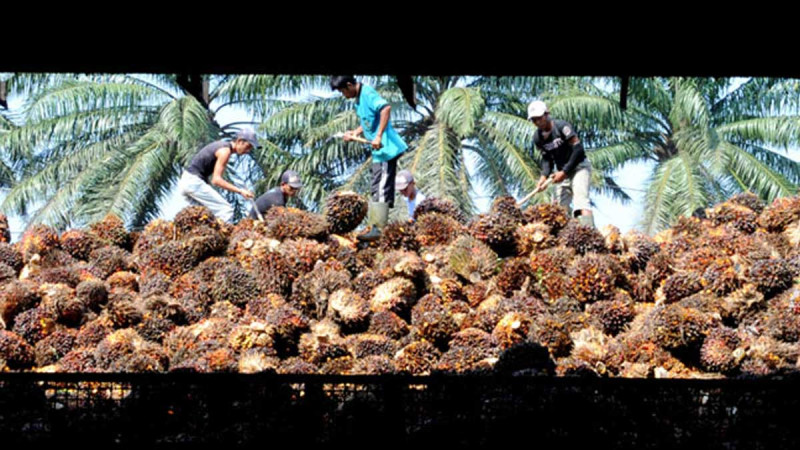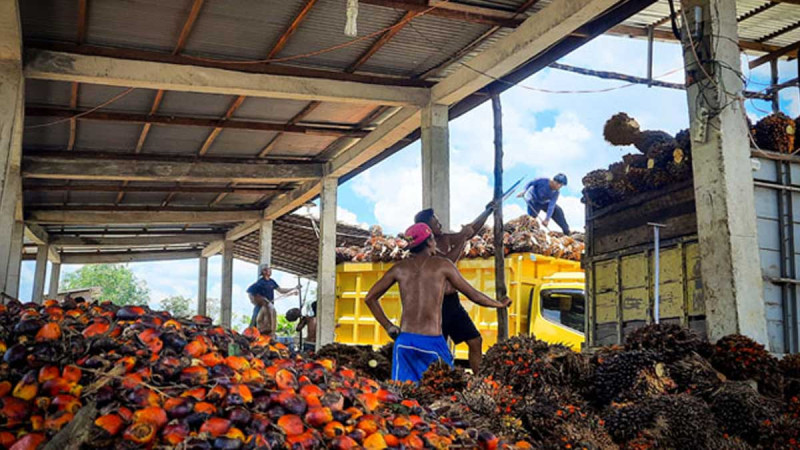
InfoSAWIT, BANDUNG - Oil palm is not just an industrial plant—it is a living being that works hard, full of potential, and needs proper care like humans. Palm oil may not be able to speak, but it “hears” the treatment given to it. When cared for well, it repays with abundant results.
Since it was just a seedling, this plant needs to be nurtured like a human baby. When aged one year and planted in the field, palm oil enters the non-producing plant (TBM) phase—equivalent to the toddler phase. Entering the fourth year, the palm tree starts producing and continues to bear fruit until the age of 25–28 years. During its productive period, this plant can be “dialogued” with: what are its needs, what diseases does it suffer from, and how to help it bear more fruit.
Economically, the age of palm oil is pegged at around 25 years. In young age (10–15 years), its productivity can reach 25–30 tons of fresh fruit bunches (TBS) per hectare per year. In adulthood (15–20 years), production can increase to 45 tons, and even in old age (20–25 years) it can still produce 30–35 tons. Unfortunately, this great potential is often not optimally exploited due to lack of understanding from managers.
Many plantation owners only focus on taking results without paying attention to the plant's character. As a result, productivity is far from ideal—only 7–10 tons per hectare per year from a potential of 40 tons. Such plantations are not few in number, estimated to reach 30% of the total national palm oil land area, or about 5 million hectares, with palm oil productivity of only 2–2.5 tons per hectare per year.
Well-managed plantations are also only around 30%, with an average productivity of 5 tons per hectare per year. Only about 5% of plantations can reach 7 tons of palm oil per hectare. The rest, about 35%, are in a “gray” condition—between cared for and not. Therefore, it is no wonder that national productivity only touches 3 tons of palm oil per hectare per year, far from the potential of 11 tons.
This condition clearly harms all parties—farmers, entrepreneurs, and the government. Income decreases, taxes decrease, and money circulation in the region also shrinks. Regional governments through related agencies should immediately map plantation productivity: which ones are well-maintained, which are not, and which are very well-maintained. From this map, it can be seen whether low productivity is caused by weak technical and managerial capabilities, or by deliberate factors.
For plantations that are indeed lacking in technical capabilities, coaching becomes the main solution. Another alternative is for state-owned plantation companies that have proven to be superior to manage such land. If 5 million hectares of unmanaged land can be managed well, it is not impossible for national productivity to soar rapidly.
The government also needs to immediately prepare targeted fertilizer subsidy programs. alculations show that this subsidy is not a burden on the state, but a productive investment. With an allocation of Rp 92 trillion in fertilizer subsidies for palm oil, the potential tax revenue can increase to Rp 188 trillion. Not only that, there will be additional fresh money circulation of up to Rp 677 trillion—total Rp 1.230 trillion distributed in 26 palm oil-producing provinces.
However, efforts to increase productivity are not enough just with fertilizers. The application of root and leaf management technology is also needed to make nutrient absorption more efficient. With good root management, fertilizer efficiency increases, nutrient absorption is optimal, and productivity can rise significantly.
Some analysts were pessimistic, even calling the B-50 program the death knell for the palm oil industry. However, this assumption is exaggerated. If management is improved and subsidized fertilizers are available, then B-50 could instead become a momentum for the revival of palm oil-based green energy.
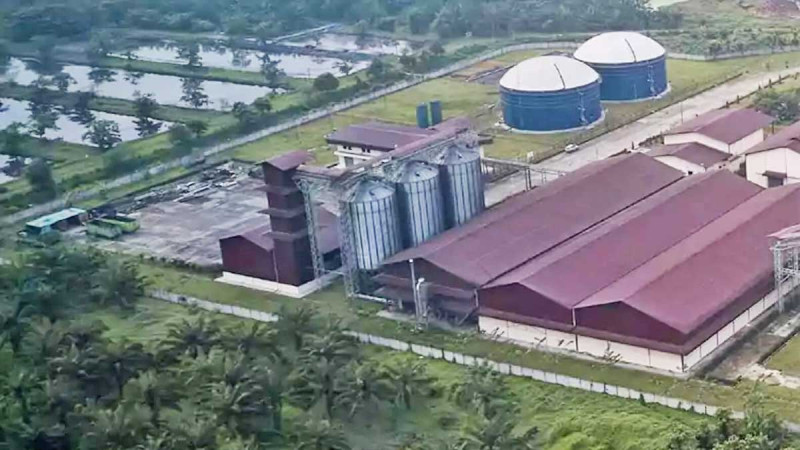
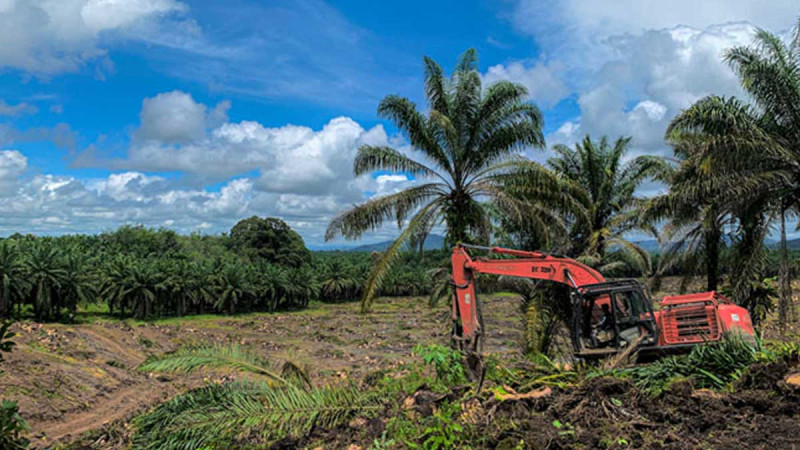
Currently, Indonesia still has around 3.5 million hectares of licensed land that has not been planted, as well as around 4 million hectares of stagnant palm oil plantations due to weak management. If this potential is optimized, palm oil will not only be an economic driver, but also a pillar of national energy resilience through bioenergy.
It's time for the government to shift from discourse to real action. Fertilizer subsidies and root technology innovations are not just technical assistance, but a national strategy to restore the glory of Indonesia's palm oil sector—which has long been the backbone of exports, employment, and sustainable energy for the nation. (*)
Author: Memet Hakim / Social and Plantation Observer
Disclaimer: The article is the personal opinion of the author and is fully the responsibility of the author and has no relation to InfoSAWIT.