InfoSAWIT, JAKARTA – The Government of the Republic of Indonesia recorded a new history in subsidized fertilizer policy. For the first time, the highest retail price (HET) of fertilizer officially dropped by up to 20 percent, effective from 22 October 2025. However, behind this good news, palm oil farmers have not yet been able to enjoy the benefits, as palm oil commodities are not included in the list of subsidized fertilizer recipients.
This fertilizer price reduction policy is stipulated in the Minister of Agriculture's Decree Number 1117/Kpts./SR.310/M/10/2025 concerning Amendments to the Minister of Agriculture's Decree Number 800/Kpts./SR.310/M/09/2025 regarding Types, Highest Retail Prices, and Allocations of Subsidized Fertilizer for the 2025 Fiscal Year.
Reduction Without Additional APBN Subsidy The price reduction was carried out without adding subsidy budget from the State Budget, but through industry efficiency and improvements in national distribution governance. The reduction applies to all types of subsidized fertilizers, including:
Urea: from Rp2,250/kg to Rp1,800/kg
NPK: from Rp2,300/kg to Rp1,840/kg
NPK Cocoa: from Rp3,300/kg to Rp2,640/kg
ZA Special Sugarcane: from Rp1,700/kg to Rp1,360/kg
Organic Fertilizer: from Rp800/kg to Rp640/kg
The Ministry of Agriculture stated that this policy will be directly felt by more than 155 million beneficiaries, covering farmers and their families throughout Indonesia.
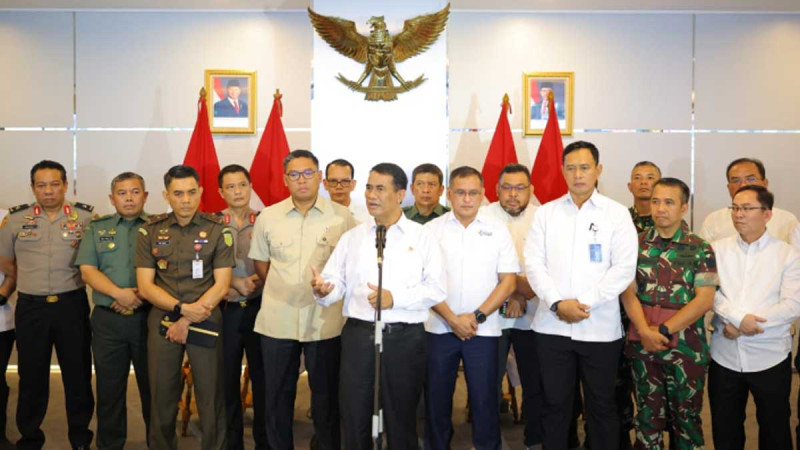
Presidential Directive and Quick Kementan Steps Minister of Agriculture Andi Amran Sulaiman emphasized that this policy is a follow-up to President Prabowo Subianto's directive to ensure the availability of fertilizer at affordable prices for farmers.
“This is a big breakthrough from Mr. President. Fertilizer must reach farmers at a fair price, without delays and without leaks,” said Minister Amran in Jakarta, last Wednesday.
Kementan together with PT Pupuk Indonesia Holding Company (PIHC) is currently carrying out comprehensive improvements in the distribution system, starting from deregulation of direct distribution channels from factories to farmers, simplification of distribution processes, to strict supervision from upstream to downstream.
“Fertilizer is the blood of agriculture. Without fertilizer, food production cannot be increased. This revitalization is to ensure farmers no longer have difficulty obtaining fertilizer,” he added.
The results of fertilizer governance improvements are said to have saved up to Rp10 trillion in budget, reduced production costs by 26 percent, and increased PT Pupuk Indonesia's profits by Rp2.5 trillion in 2026. The government also targets an additional 700 thousand tons of subsidized fertilizer volume gradually until 2029.
As a long-term step, the government is building seven new fertilizer factories, five of which are targeted to operate before 2029. With the operation of these new factories, production costs will be more efficient and dependence on imported raw materials can be reduced.
“This policy is not just about price, but proof of the state's commitment to farmers. The President emphasized that the state must be present in the fields, in the gardens, and in the fields,” Amran emphasized.
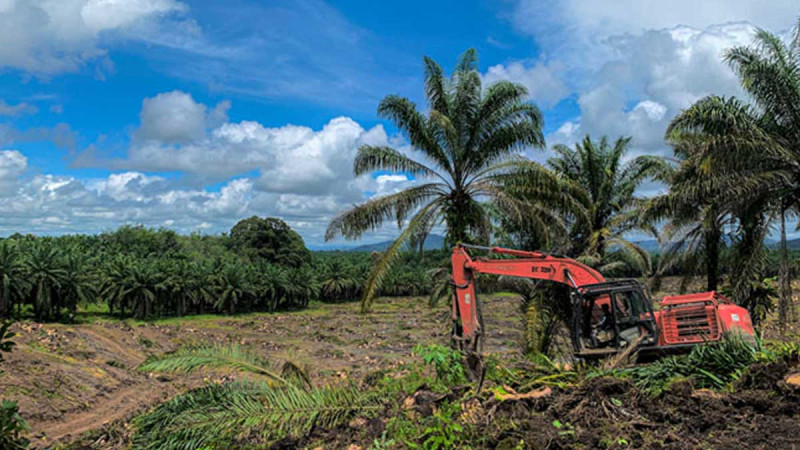
Smallholder Palm Oil Farmers Not Yet on Subsidy Recipient List Nevertheless, palm oil farmers have not yet been able to enjoy the price reduction. The Ministry of Agriculture prohibits the use of subsidized fertilizer for palm oil plants, both by farmers and distributors.
Currently, palm oil farmers are only allowed to use non-subsidized fertilizer. This policy refers to the Regulation of the Minister of Agriculture of the Republic of Indonesia Number 10 of 2022 Concerning Procedures for Determining Allocations and Highest Retail Prices of Subsidized Fertilizer in the Agricultural Sector, in Chapter III Allocation and Determination of Subsidized Fertilizer Allocation, Article 3 states that farming businesses in the plantation subsector are only for smallholder sugarcane, cocoa, and coffee.
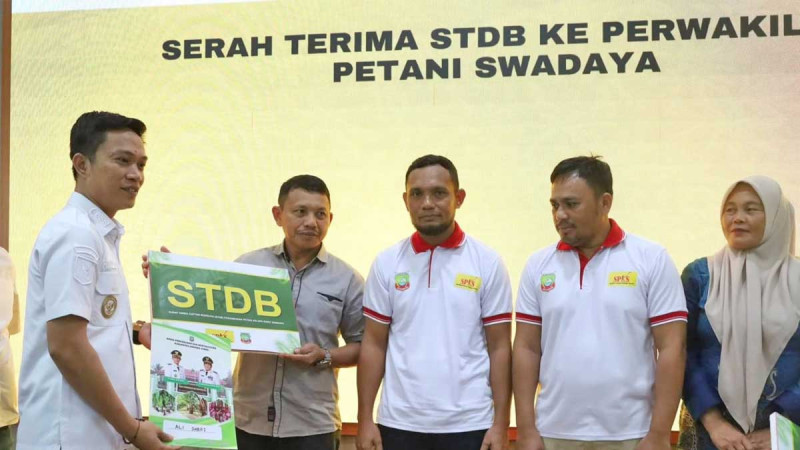
Then, subsidized fertilizer recipient farmers must be affiliated with farmer groups and registered in the SIMLUHTAN system (Agricultural Extension Management Information System).
For millions of independent palm oil farmers in Indonesia, this policy is less encouraging news. Because palm oil is a commodity that is highly dependent on regular fertilization to maintain high productivity.
With the still high prices of non-subsidized fertilizer, some farmers are worried about reducing doses or even delaying fertilization, which in the end could lower harvest yields. (T2)