InfoSAWIT, JAKARTA — The Indonesian Ombudsman is urging the government to establish a National Palm Oil Agency as a strategic step to strengthen the governance of the palm oil industry, which to date is still marred by overlapping authorities, complicated licensing, and prolonged land conflicts.
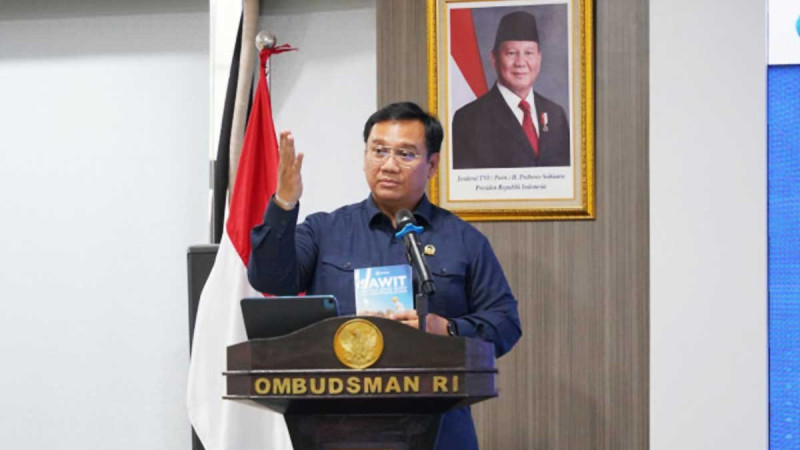
This proposal emerged during the launch of the book “Palm Oil: Between Green Gold and Management Thorns” held at the Indonesian Ombudsman Building, Jakarta, Thursday (23/10/2025). This book is the result of the Ombudsman's systemic study on preventing maladministration in palm oil industry governance services.
Indonesian Ombudsman Chairman, Mokhammad Najih, emphasized that the publication of this book is a momentum to strengthen cross-sector collaboration in improving national palm oil governance.
“This book is not just a study result, but a reflection on the future of Indonesia's natural resource management. We want to promote clean, fair, and sustainable palm oil governance,” said Najih in an official statement written by InfoSAWIT, Sunday (26/10/2025).
On the same occasion, Minister of National Development Planning/Head of the National Development Planning Agency (Bappenas) RI, Prof. Rachmat Pambudy, emphasized the importance of inter-agency synergy and the formation of an integrated data system as the basis for national palm oil policy-making.
“If the National Palm Oil Agency is formed, its first task is to compile a single national palm oil data. Without integrated data, it is impossible for us to resolve palm oil governance issues,” he said.
According to Rachmat, the presence of a single institution will end policy overlaps and strengthen coordination between the central government, regions, and industry players.
Potential State Losses Reach Rp279 Trillion
Indonesian Ombudsman Member and book author, Yeka Hendra Fatika, revealed that the study was conducted for six months involving 52 institutions and analysis of hundreds of documents. The results show potential state losses reaching Rp279 trillion due to imperfect palm oil governance.
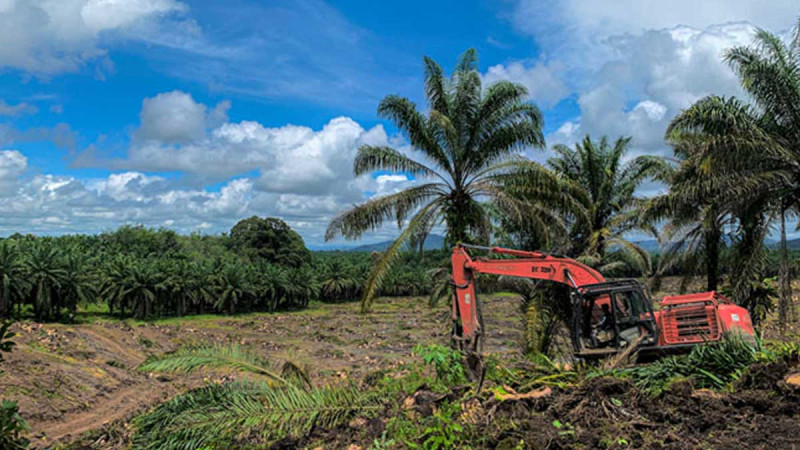
“The most crucial issue is the overlapping of palm oil land in forest areas covering about 3.2 million hectares. This must be proven fairly—whether the fault lies with the entrepreneurs or in the designation of the forest area maps themselves,” explained Yeka.
He emphasized that the resolution of agrarian conflicts should not merely use a power approach, but must uphold justice and legal certainty.
In addition to land issues, the Ombudsman also found problems in licensing, certification, and pricing policies that have not favored smallholder palm oil farmers. Therefore, Yeka proposed that the National Palm Oil Agency integrate the functions of 15 institutions that have been working separately, and ensure that single palm oil data becomes the basis for industry policy.
“If this is well-organized, Indonesia's palm oil competitiveness will increase, and farmers' welfare can be better guaranteed,” he added.
Previously, in 2024, the Ombudsman had conducted a systemic review of the palm oil industry governance and provided several improvement recommendations to the government. Through this book, the Ombudsman hopes that information about the benefits, challenges, and complexities of the palm oil industry can be widely conveyed to the public.
The book launch event was attended by various stakeholders from government elements, academics, the business world, to civil society organizations. (T2)