InfoSAWIT, WASHINGTON D.C— Palm oil is once again capturing global attention. For the first time, the World Bank Group together with the Council of Palm Oil Producing Countries (CPOPC) held a special seminar titled “Plantation 360: Unlocking Jobs, Innovation, and Climate-Smart Growth” as part of the World Bank–IMF Annual Meetings 2025. This event marks an important momentum for palm oil, now positioned as a driver of green economic growth and global innovation.
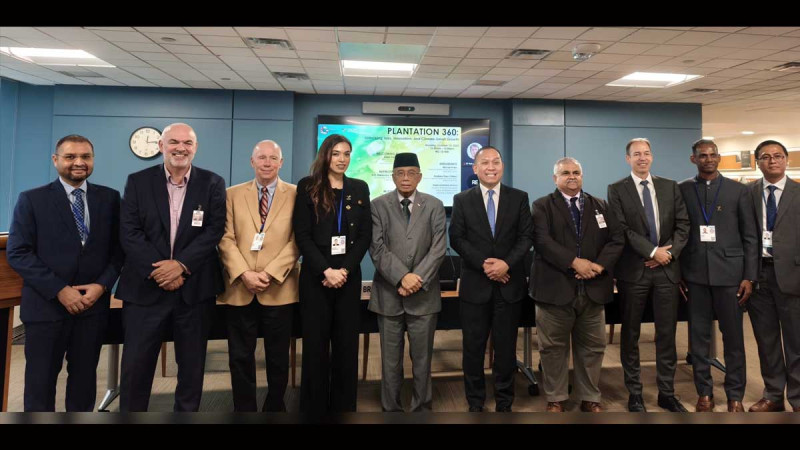
The seminar, led by Dr. Wempi Saputra, Executive Director for the South-East Asia Voting Group at the World Bank Group, featured various international figures from academia, industry, and multilateral organizations. The opening was delivered by Allen Forlemu, Director - Regional Industry FIG Asia & Pacific and Acting Regional Vice President IFC, followed by a keynote speech from Dwisuryo Indroyono Soesilo, Indonesian Ambassador to the United States.
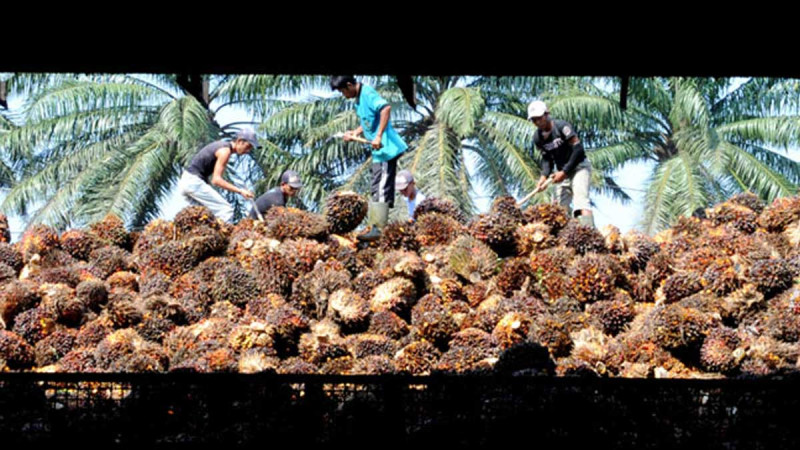
Also present were several important speakers, including Izzana Salleh (CPOPC Secretary General), George Baxter (University of California), Satya Tripathi (Global Alliance for a Sustainable Planet), and James Brooks (Clemson University). The discussion highlighted how the palm oil industry supports more than 24 million jobs worldwide, especially for small farmers, women, and youth in developing countries.
Palm Oil as a Pillar of Green Economy and Global Innovation
CPOPC emphasizes that palm oil has evolved far from its old image. Now, this commodity has become an innovation platform driving circular economy and climate resilience. With World Bank support channeling about US$3 billion annually for climate-smart agriculture, both institutions are committed to making palm oil a strategic partner in the global green transition.
Besides its economic role, palm oil is also the backbone of global food security. With the highest productivity compared to other vegetable oils, palm oil provides nutritious and affordable vegetable fats for billions of people. Its natural antioxidant content and balanced fat composition make it an important ingredient in future food innovations.
In the forum, Allen Forlemu emphasized that palm oil is not just an agricultural commodity — palm oil is a catalyst for inclusive growth, technology-based, and sustainable. He stressed the importance of smart policies, digital traceability systems, and investments in green technology to make the palm oil industry a model for sustainable development that balances human, planetary, and prosperity aspects,” he said in an official statement written by InfoSAWIT, Monday (20/10/2025).
From Controversy to Climate Solutions
The momentum in Washington D.C. also marks a turning point in global perception of palm oil — from a sector often spotlighted for environmental issues, now seen as part of climate solutions.
Michael Krake, Executive Director for Germany at the World Bank Group, appreciated CPOPC for its courage and efforts to bring various stakeholders to the discussion table. He considers continuous dialogue important to address misunderstandings about the palm oil industry.
Meanwhile, Nurdiana Darus from Unilever Indonesia and Rebecca Elmhirst from the University of Glasgow highlighted the strategic role of the palm oil sector in creating sustainable jobs, especially for youth, and implementing environmentally friendly practices at the industry level.
This event brought together professionals from multilateral institutions, industry, and academia to share views and seek joint solutions for a more sustainable future of the palm oil industry.
With support from international financial institutions like the World Bank and strategic cooperation with CPOPC, palm oil is now entering a new chapter, from a controversial commodity to a symbol of green transformation, innovation, and inclusive growth for the world. (T2)