InfoSAWIT, BALI – Efforts to strengthen economic ties between Indonesia and the European Union have entered a critical phase. Indonesia's Coordinating Minister for Economic Affairs, Airlangga Hartarto, met with European Commission Executive Vice-President for the European Green Deal, Interinstitutional Relations and Foresight, Maroš Šefčovič, in Bali on Tuesday (9/23/2025). The bilateral meeting served as a strategic forum to finalize negotiations on the Indonesia–European Union Comprehensive Economic Partnership Agreement (IEU-CEPA) and open new avenues for cooperation in trade and investment.
The completion of IEU-CEPA follows a political agreement between the Indonesian President and the President of the European Commission in July 2025. Both Minister Airlangga and Commissioner Šefčovič had previously held a series of meetings to accelerate the negotiations.
“Key issues such as market access, tariffs, investment services, and trade facilitation have all been discussed. The hope is that the ratification and implementation process can be completed soon so that the benefits can be directly felt by the public and business players,” said Minister Airlangga.
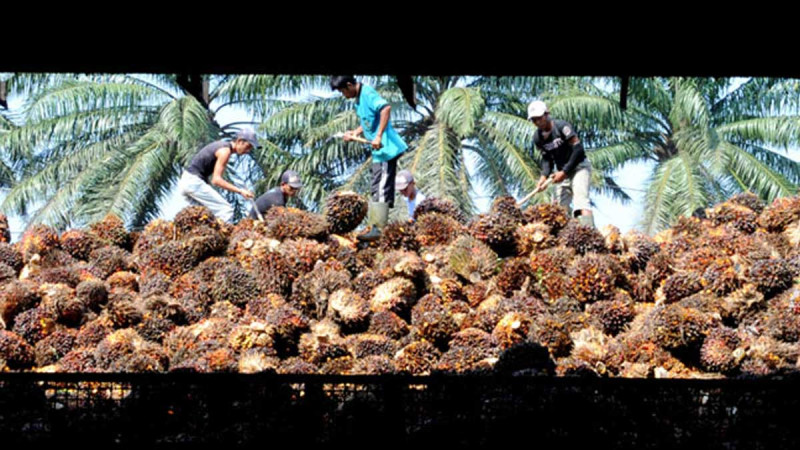
Commissioner Šefčovič also emphasized the vast potential for cooperation. He noted that Indonesia's flagship commodities, ranging from palm oil, textiles, to footwear, have significant opportunities to penetrate the European market. “European businesses welcome this development and show strong interest in investing in Indonesia,” he stated, in an official release written by InfoSAWIT on Monday (9/29/2025).
During the discussion, both parties highlighted the importance of an early harvest before full ratification, which is seen as a way to provide acceleration, especially for the small and medium-sized enterprise (SME) sector. Airlangga stressed, “SMEs must truly feel a tangible difference before and after this agreement takes effect.”
Besides SMEs, the issue of digitalization was also prominent. Indonesia is pushing for stronger cooperation in e-logistics, e-government, and e-payment. Minister Airlangga cited the growth of QR payments in ASEAN as a foundation for expanding digital connectivity with the European Union. In response, Commissioner Šefčovič added, “SMEs are also the backbone of Europe, with 99 percent of companies being SMEs. This is a huge opportunity for digital collaboration between ASEAN and the European Union.”
Beyond trade, the European Union's support for Indonesia's accession process to the Organisation for Economic Co-operation and Development (OECD) was also a key focus. The EU reaffirmed its commitment, even offering to share experiences through Team Europe to smooth Indonesia’s path toward full membership.
Indonesia's Ambassador to Brussels, Andri Hadi, described IEU-CEPA as a fundamental building block for elevating relations between the two regions toward a strategic partnership. Meanwhile, the EU Ambassador to Indonesia, Denis Chaibi, highlighted new initiatives such as the cascade visa policy for Indonesian citizens, the formation of a dedicated EU BKPM Desk (Investment Coordinating Board), and projects under the Global Gateway framework.
The meeting in Bali concluded with a joint signing and announcement regarding the substantial conclusion of the IEU-CEPA negotiations, followed by the Indonesia–EU Business Outlook forum.
Senior officials from both Indonesia and the European Union were in attendance, including Secretary of the Coordinating Ministry for Economic Affairs Susiwijono Moegiarso, Deputy for Economic Cooperation and Investment Edi Prio Pambudi, and the ambassadors of both sides. (T2)