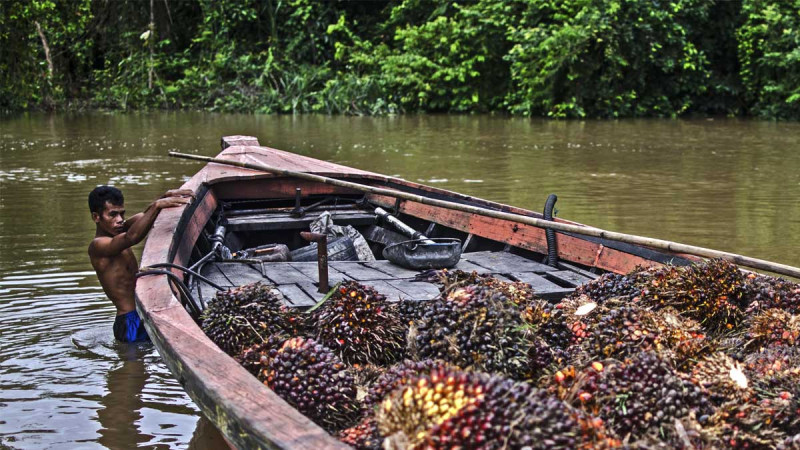
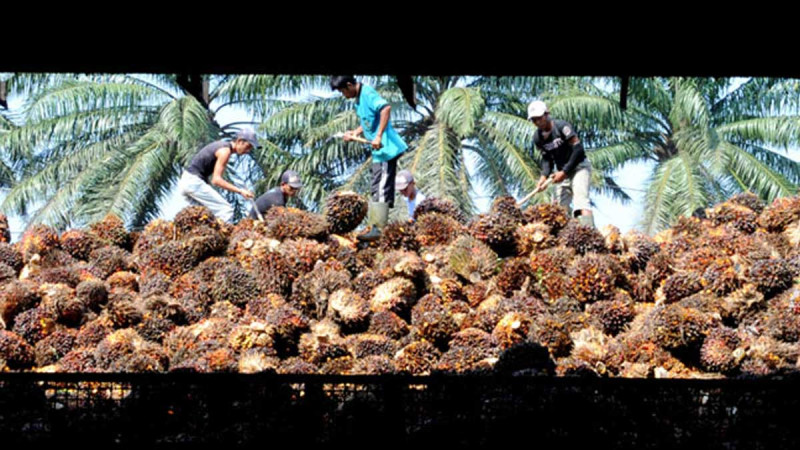
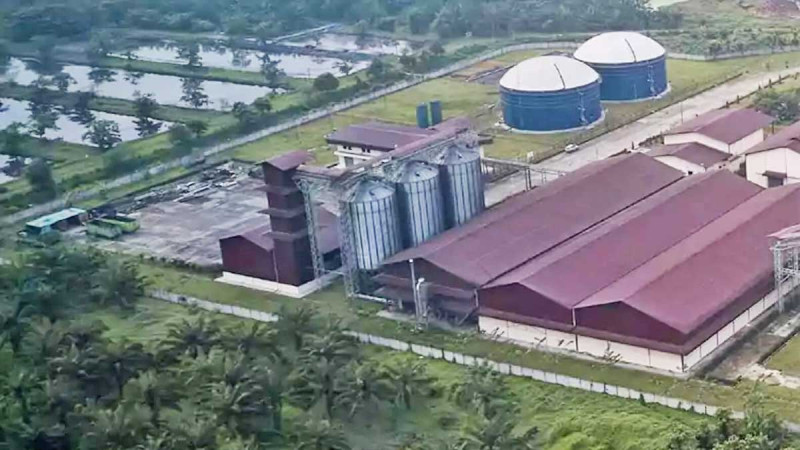
InfoSAWIT, JAKARTA – PTPN IV PalmCo, a subholding of the State Plantation Holding PTPN III (Persero), is beginning to take steps to reduce its dependence on increasingly expensive chemical fertilizers. The state-owned company conducted a visit to the organic fertilizer production facility of Ultra Stron9 to study the technology for processing palm oil waste into environmentally friendly fertilizer.
The Director of Institutional Relations for PalmCo, Irwan Perangin-angin, affirmed that the move is part of the company's long-term strategy to strengthen sustainable agricultural practices. "The use of palm oil waste for organic fertilizer aligns with the circular economy strategy we are implementing. This effort not only reduces our dependence on inorganic fertilizers but also provides added value from waste processing," he said in an official statement received by InfoSAWIT on Thursday (9/17/2025).
During the visit, PalmCo was represented by the Head of the Institutional Relations and Environmental Social Responsibility (TJSL) Division, Ridho Syahputra Manurung, and the Head of the Smallholder Replanting (PSR) Division, Abdul Mutholib. They were received by the leader of Ultra Stron9, Kevin Ananta. Ridho added that PalmCo is currently studying the potential for integrating organic fertilizer technology into the company's sustainability programs. "We see great potential in this innovation, both for the company's core plantations and for supporting smallholder farmers. Cost efficiency, improved soil quality, and long-term sustainability are the goals we want to achieve," he said.
Ultra Stron9 welcomed the move. Kevin Ananta believes that collaboration between industry players and technology providers is crucial in building a more sustainable agricultural system. "We appreciate that PalmCo is beginning to shift from a conventional approach to a greener practice. This is not just about productivity but also about the sustainability of the Indonesian plantation industry," he stated.
Organic fertilizer made from palm oil waste is said to have the advantage of naturally improving soil fertility. If applied consistently, this approach has the potential to maintain land productivity while also reducing the production costs for farmers who have been burdened by the volatile prices of chemical fertilizers.
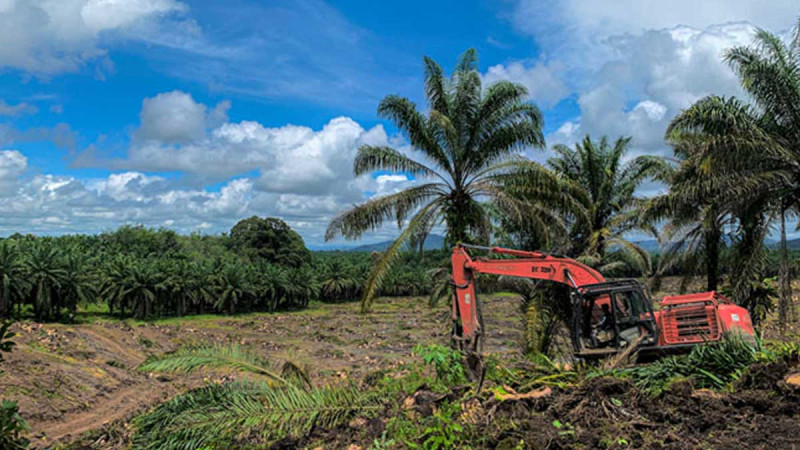
PalmCo also affirmed that this initiative will be further studied to support the Smallholder Replanting Program (PSR). With an ecosystem-based approach, the company hopes to create a plantation business model that is not only cost-efficient but also aligns with global demands for sustainable and responsible agricultural practices. (T2)