InfoSAWIT, JAKARTA – Increasingly strict sustainability requirements in global supply chains have the potential to exclude independent palm oil smallholders from access to more profitable markets. A recent study on certified palm oil mills in Indonesia reveals that independent farmers have minimal involvement in the sustainable supply chain, despite their significant contribution to regional production.
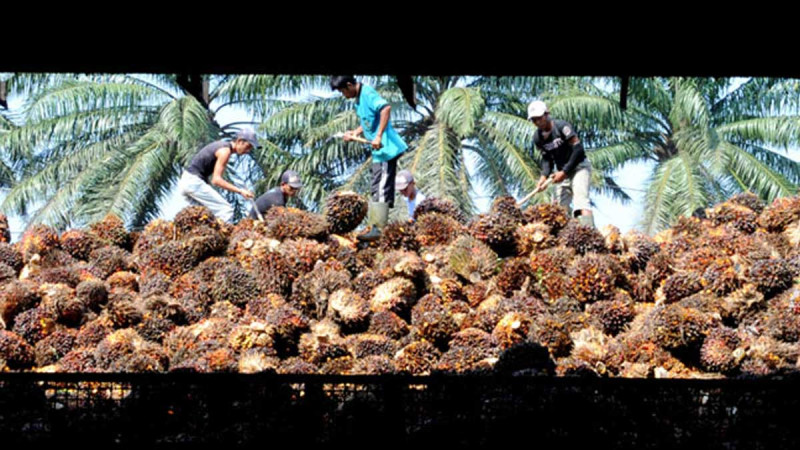
The research findings indicate that independent palm oil farmers contribute about one-third of the palm oil production in the study area. However, their supply only accounts for 7% of the raw material at certified palm oil mills. In contrast, farmers with partnership or exclusive contract schemes dominate the flow of raw materials to these mills.
"We did not find evidence of active exclusion, such as mills directly refusing independent farmers' produce. What is happening is passive exclusion, where most certified mills simply never purchase from independent palm oil smallholders," stated the report titled "Uneven participation of independent and contract smallholders in certified palm oil mill markets in Indonesia," written by Andini Desita Ekaputri, David L. A. Gaveau, Robert Heilmayr, and Kimberly M. Carlson, and quoted by InfoSAWIT from Nature.com on Thursday (9/18/2025).
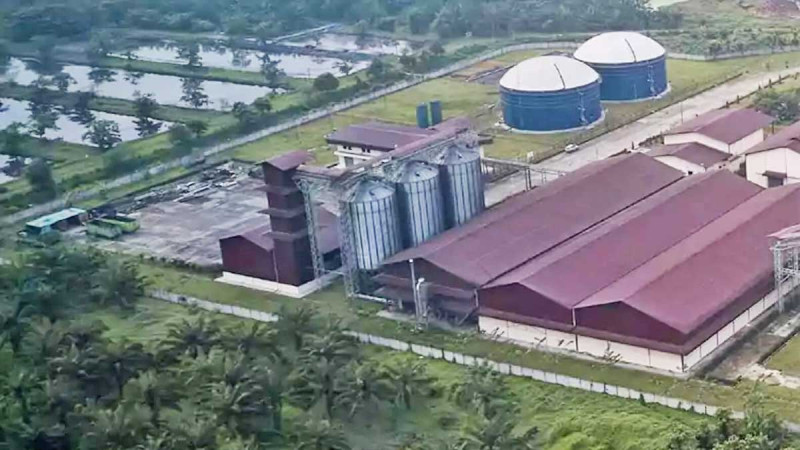
The data collected showed that only 36% of certified mills ever purchased fresh fruit bunches (FFB) from independent palm oil farmers. Independent farmers' land was also found to be less common around certified mills—about 29–38% of the total area—compared to 41–42% around non-certified mills. This situation points to a structural limitation of access for small-scale farmers.
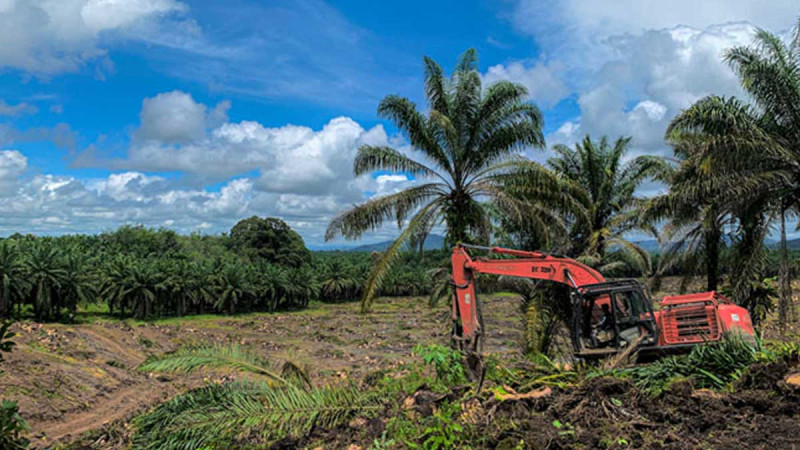
On the other hand, a sustainable palm oil industry is now an international market demand. The European Union, for example, through its EU Deforestation Regulation (EUDR), requires palm oil products to be deforestation-free and traceable to their geographical coordinates. Sustainability certifications like RSPO and ISPO are therefore positioned as important instruments to maintain the competitiveness of Indonesian palm oil in the global market.
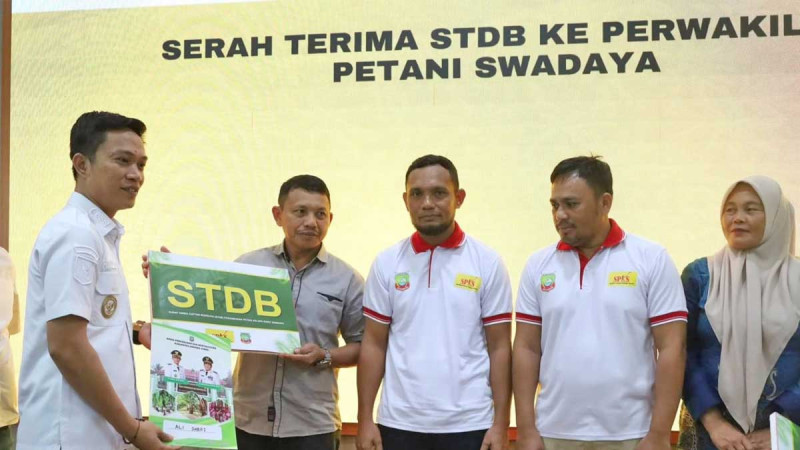
However, without tangible support, small-scale palm oil farmers find it difficult to meet the set standards. Most are constrained by issues with land legality, technical cultivation capacity, and certification costs. Meanwhile, buyers downstream tend to choose suppliers who are considered more stable and have less risk, such as large plantations or plasma farmers.
"Small-scale farmers are the backbone of the global food industry, especially in tropical regions. They contribute more than 70% of the world's caloric supply. Ignoring them in the sustainable supply chain means missing the bigger goal of balancing environmental protection with improved welfare," the research report stated.
The researchers emphasized the need for a more inclusive supply chain governance scheme. Certification programs and zero-deforestation commitments should not stop at technical requirements but should also encourage actors in the supply chain to bridge the involvement of small-scale farmers. This can be done through mentoring programs, facilitating land legality, and providing incentives for mills to purchase from independent farms.
Without such steps, efforts toward sustainable palm oil could actually widen the gap. On one side, large companies succeed in entering premium markets, while small-scale farmers become increasingly marginalized. In reality, the inclusion of small-scale farmers is not just a matter of social justice but is also key to the future sustainability of Indonesia's palm oil industry. (T2)