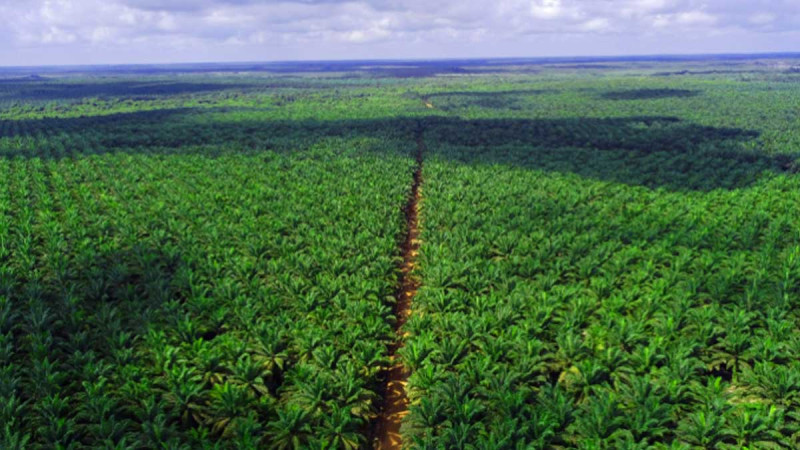
InfoSAWIT, JAKARTA – Amid global pressure for sustainability and transparency in the palm oil industry, Bumitama Agri is choosing a different path. Instead of expanding its land, the company is affirming its commitment to sustainable growth with a strategy focused on increasing productivity from its existing land. Behind this strategy, Bumitama proves that transformation in the plantation sector can go hand in hand with environmental conservation and farmer empowerment.
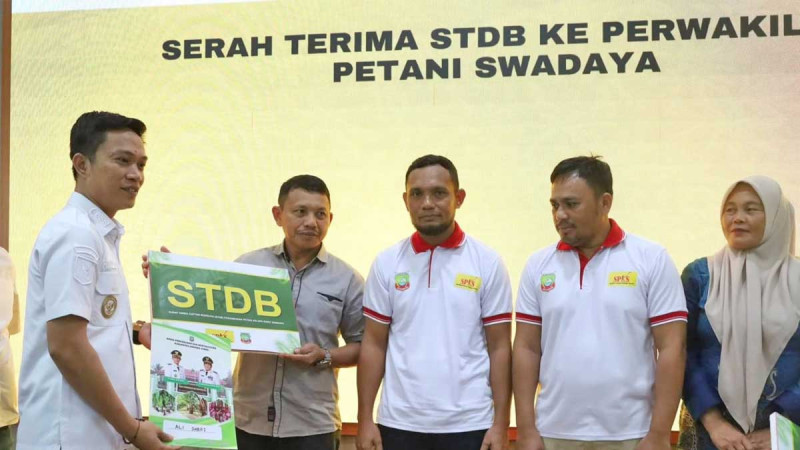
A significant 33.5% of Bumitama's total planted area belongs to plasma farmers. This is not a small number and indicates that the company's success is not solely supported by the corporation but also by the local communities directly involved. To that end, Bumitama is striving to optimize harvests by using superior seeds, enhanced agronomy practices, and precision farming technology.
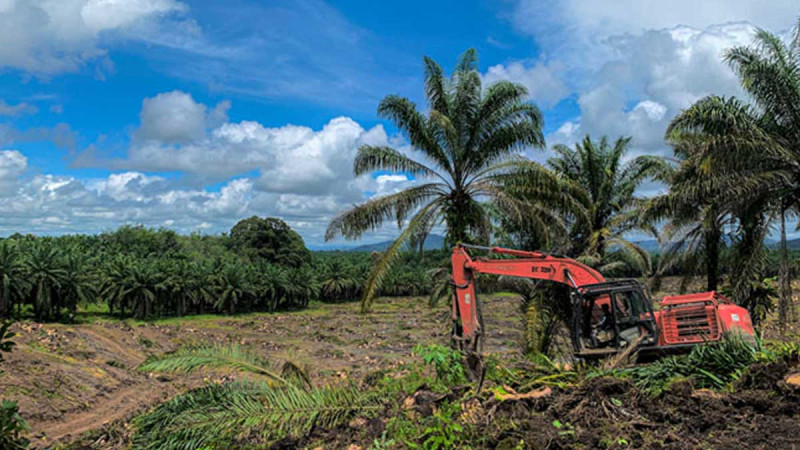
The commitment to the environment is also clear: there will be no new land development in peat, High Carbon Stock (HCS), or High Conservation Value (HCV) areas. The growth strategy has been shifted to replanting rather than expansion. This strengthens Bumitama's position as a company that not only seeks profit but also respects the ecological boundaries that are becoming increasingly urgent to protect.
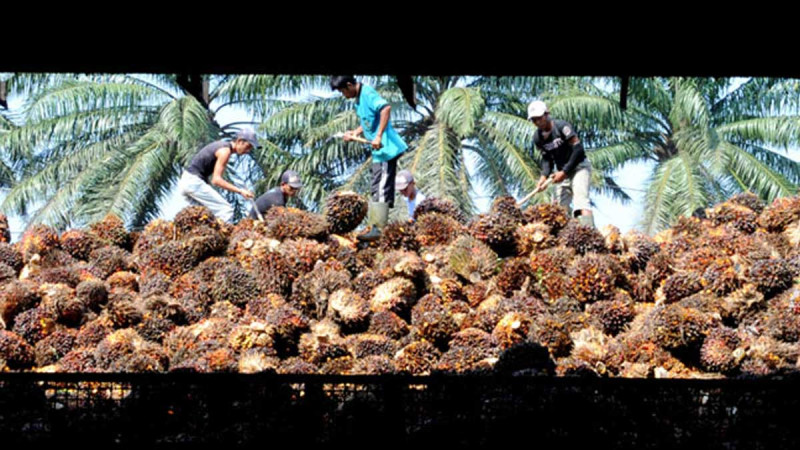
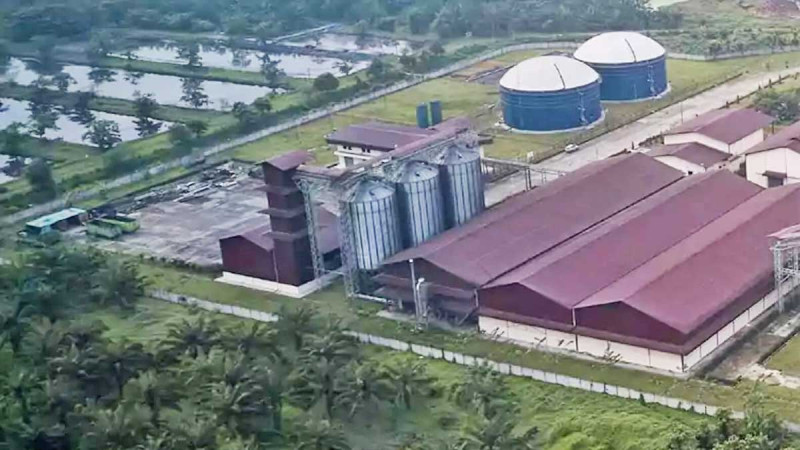
2024 was another important milestone. Two new palm oil mills officially began operations in West Kalimantan, bringing Bumitama's total to 17 mills. The processing capacity surged to 6.99 million tons of FFB per year, expanding the potential for CPO and Palm Kernel (PK) production for both domestic and export markets.
Nevertheless, production figures show a real challenge. Unfavorable weather caused FFB harvests to drop by 9.7% compared to the previous year, and even 13.1% compared to 2022. As a result, CPO and PK volumes also decreased by 6.7%. However, amid this pressure, operational efficiency remained strong. The CPO extraction rate remained stable, reflecting an optimal processing system.
Total FFB processed throughout 2024 reached 3.36 million tons, with 64.8% coming from its own plantations (including plasma) and 35.2% from third parties. Interestingly, six of the 17 mills only receive supplies from their own plantations, while the rest receive a mix from various sources. This shows flexibility as well as a strengthening of a sustainable supply system.
To address productivity challenges, Bumitama continues to promote mechanization at the plantation level. This move is not just for efficiency but is also part of a long-term decarbonization strategy. By adopting precision and innovative technology, the company not only cuts carbon emissions but also improves worker safety. The risk of injuries from heavy and repetitive work can be reduced, and worker comfort is significantly increased.
It is important to note that these efforts are also a strategic response to global regulatory dynamics—especially in facing the implementation of the EU Deforestation Regulation (EUDR). Although the EUDR's implementation has been delayed, Bumitama remains proactive. They are preparing concrete steps to ensure the supply chain remains compliant with legality, traceability, and deforestation-free requirements.
There are three main approaches being taken:
Engaging in intensive communication with the government to create a realistic and consistent compliance pathway between the EUDR and Indonesian law.
Strengthening the capacity of smallholders through access to land legalization, digitalization of traceability systems, and land registration platforms.
Strategically positioning the group to face global market dynamics, whether through exports to the European Union or by meeting domestic needs like biofuel expansion and national food security.
Bumitama isn't just talking about sustainability; it's deeply committed to it. The NDPE (No Deforestation, No Peat, No Exploitation) commitment forms the basis of all operational strategies and community partnerships. The latest Sustainability Policy, updated in 2022, strengthens this position. In practice, many of these now-formalized principles have been in place for a long time, making the policy transition process smoother.
The year 2024 also marks a decade of Bumitama's sustainability reporting. During this period, the company has continuously refined its reporting metrics and methodologies and adapted to various stakeholder expectations. From IFRS Sustainability Disclosure Standards and Human Rights Due Diligence (HRDD) to the Corporate Sustainability Due Diligence Directive (CSDDD), everything is studied and implemented to ensure the business remains relevant and competitive. (T2)