InfoSAWIT, BANDUNG – The palm oil plantation sector once again presents a paradox. On one hand, Indonesia is known as the world's largest palm oil producer, with 17.3 million hectares of land from a total licensed area of 20.5 million hectares. On the other hand, its productivity is far from its potential. This is the root cause preventing farmers and business players from fully experiencing prosperity.
Billions of Rupiah in Lost Potential
The current average national palm oil production is only about 3 tons of palm oil per hectare per year, totaling 50 million tons nationally. However, with hybrid varieties and proper care, productivity could reach 11 tons per hectare. This means there is a lost production gap of up to 102-130 million tons each year.
Calculated at a benchmark price of Rp14,000 per kilogram, this loss is equivalent to Rp1,428–1,820 trillion, nearly half of the state budget. This immense amount of money could circulate in the 26 palm oil-producing provinces, providing an average addition of Rp58 trillion per province, a figure that would surely boost regional economic growth.
Subsidies as an Investment
The key lies in fertilization. Hybrid oil palms are nutrient-hungry, requiring 18 million tons of fertilizer per year, worth Rp90 trillion. If the government provides fertilizer subsidies, that money will return to the state treasury in the form of taxes and economic turnover, and could even multiply to Rp200 trillion. In other words, subsidies are not a burden but a strategic investment.
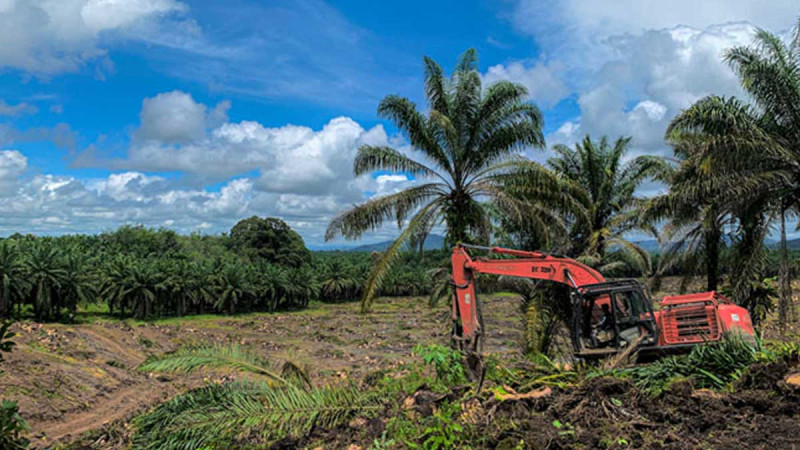
Unfortunately, the reality on the ground is far from this ideal. Many large private plantations (PBS) are negligent. They don't fertilize, production roads are left damaged, harvesting is done poorly, and some plantations are even abandoned and then sold off. As a result, taxes and contributions to the state also decline.
The Alarming Condition of Smallholder Plantations
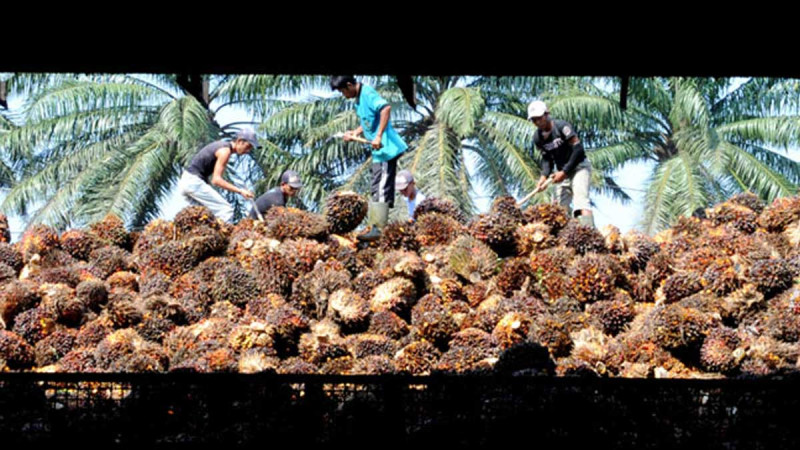
The condition of smallholder plantations is no less concerning. Many plantations are never fertilized, weeds are left to grow, and harvesting can only be done on the edges of the fields because the internal roads are severely damaged. The national Fresh Fruit Bunch (FFB) productivity is only about 13 tons per hectare, yielding 2.78 tons of oil per hectare. In contrast, on experimental plots, the potential can reach 11 tons per hectare.
Due to poor harvesting and maintenance management, the quality of many FFB suffers: the fruit is overripe, small in size, or even from low-yielding Dura varieties. All of this leads to a drastic drop in productivity and profit.
Time for the Government to Act
It's time for the government to take serious action. A large-scale intensification program is needed, including providing soft loans for smallholders and private plantations struggling with capital. The government could also consider transferring unmanaged private plantations to state-owned enterprises with better management.
Furthermore, the granting of plantation licenses must consider management competency. Land should not be treated merely as an object for buying and selling without the intention of managing it properly. For foreign private plantations with high productivity, the government should even consider a production/profit-sharing contract scheme. This would ensure that a portion of the profits flows back to the state treasury, in line with the mandate of the 1945 Constitution.
Energy and Economic Sovereignty
If palm oil productivity is increased, Indonesia has the opportunity to reduce or even stop fuel imports. Palm oil-based energy can support national needs, while the funds from imports that are currently spent can be redirected to domestic farmers and businesses.
With proper management, palm oil is not just about commodity exports, but also about energy sovereignty and equitable regional economic distribution. This enormous potential is just waiting for courageous government policy. (T2)