InfoSAWIT, JAKARTA — Agriculture based on intuition must now transition to precision agriculture that relies on data and technology. This significant change is one of the main focuses of the parallel session at the 2025 Indonesian Science, Technology, and Industry Convention (KSTI), held on Saturday, August 9, under the theme “Smart Agriculture 4.0: Integrating IoT, AI, and Robotics for Optimizing Productivity and Sustainability in Agriculture.”
Arif Satria from the Bogor Agricultural Institute (IPB) presented several leading research projects from the campus, including Sawah 4.0, a smart rice farming ecosystem designed to increase productivity to exceed 10 tons per hectare. This program combines remote sensing technology through drones and satellites to detect plant health early. The collected data is processed to generate precision recommendations delivered via the SMARTSeeds application, allowing farmers to manage fertilization and irrigation efficiently, saving costs and reducing environmental impact.
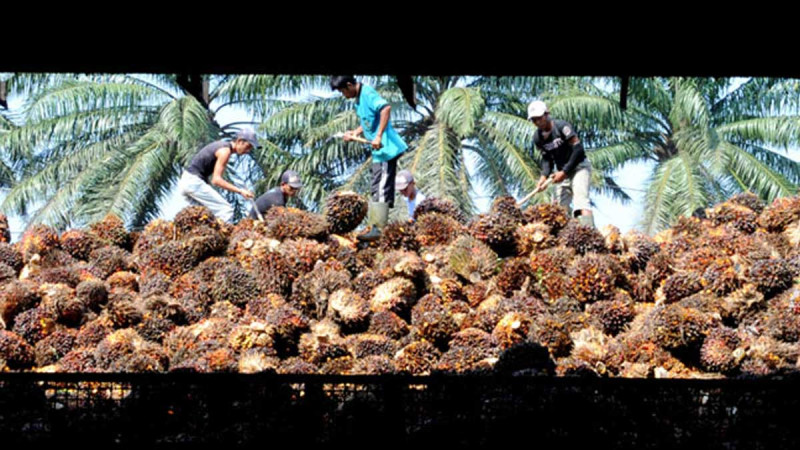
A similar approach is applied in the palm oil sector through the Sawit 4.0 research, which focuses on empowering smallholder plantations. Using artificial intelligence (AI), the population of oil palm trees is accurately mapped. The PRECI PALM system then utilizes satellite imagery to provide fertilization recommendations that have proven to increase efficiency by up to 20%. These recommendations are executed by precision fertilization and transportation machines, FASTREX, representing the integration of robotics in enhancing palm oil plantation productivity.
Another innovation showcased is AI-based food quality detection technology using a portable near-infrared spectrometer connected to smartphones. This tool can quickly and accurately analyze fruit sweetness, egg freshness, and milk purity in less than 10 seconds. “The added value of IPB's innovations not only impacts Indonesia but also extends beyond its borders,” Arif stated, as reported by InfoSAWIT from Kemdiktisaintek on Thursday, August 14, 2025.
From a policy perspective, the Director of Agricultural Tools and Machinery for Post-Harvest, Opik Ahmad Ropik, emphasized the government's support for adopting modern technology. This support is manifested through three policy pillars: driving programs, regulations, and budgets. These programs include direct assistance for agricultural machinery (alsintan), human resource training, and interest subsidies. Meanwhile, regulations in the form of quality standards (SNI) and certifications ensure the quality of technology used by farmers, supported by financing through the state budget, business loans, and research grants.
“The adoption of technology is highly diverse, so we need input from academics and practitioners. We strongly support practical technology that can be directly applied by farmers,” he said. (T2)