InfoSAWIT, JAKARAT - Indonesia recorded a loss of 206,000 hectares of natural forest in 2024, marking a staggering 53% increase compared to the previous year. Data from the report "Deforestation in the Transition Regime," released by the Sustainable Madani Foundation on August 8, indicates that the transition period of government is a vulnerable time for deforestation due to weak legal protections and oversight.
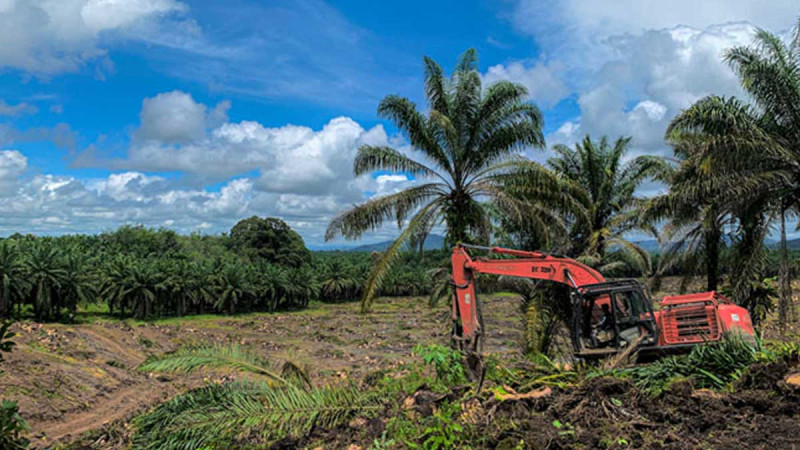
Seventy-two percent of deforestation occurred within forest areas, particularly in permanent production forests. East Kalimantan, Riau, and West Kalimantan were identified as regions with the largest losses, including peat areas and conservation zones. Ironically, 39,000 hectares of deforestation occurred in moratorium forest areas (PIPPIB), which should serve as a bastion for protecting primary forests and peatlands.
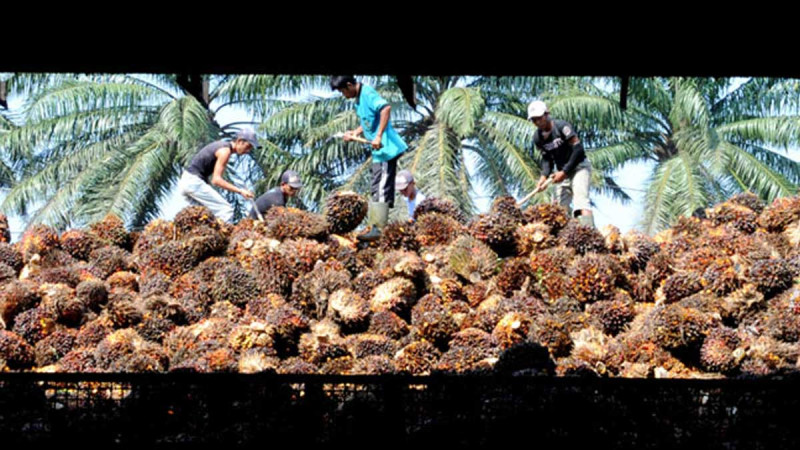
"More than half of the deforestation occurred in areas that already have official permits. Forest Utilization Business Permits (PBPH) accounted for 66,000 hectares, followed by oil palm plantations at 51,000 hectares," said Fadli Ahmad Naufal, GIS Specialist at Sustainable Madani, in an official statement received by InfoSAWIT on August 11, 2025. About a quarter of the deforestation in PBPH areas occurred in peat ecosystems, which play a crucial role in carbon storage.
Deforestation also stems from national strategic projects. In Merauke, South Papua, the Food Estate program has cleared nearly 5,000 hectares of natural forest. Meanwhile, the expansion of nickel mining on small islands such as Gag and Kawe in Raja Ampat violates small island protection regulations and encroaches on ecologically valuable areas.
The Sustainable Madani Foundation also highlighted the minimal legal recognition of indigenous territories. As of March 2025, only 330,000 hectares of Indigenous Forests have been recognized by the state, far from the potential 32.3 million hectares mapped by the Indigenous Territory Registration Agency (BRWA). Globally, indigenous territories have been shown to have lower deforestation rates.
"Deforestation in 2024 signals a threat to achieving the FOLU Net Sink 2030 target. Without a revision of forestry policies and stricter permitting, including evaluations of strategic projects, Indonesia's climate targets risk becoming mere promises on paper," emphasized Yosi Amelia, Climate and Ecosystem Program Lead at Sustainable Madani. (T2)