InfoSAWIT, KUALA LUMPUR — The Malaysian government reaffirms its commitment to sustainable palm oil plantation practices free from labor exploitation. As of June 30, 2025, a total of 5.03 million hectares, or 89.6% of the total area of palm oil plantations in Malaysia, have obtained Malaysian Sustainable Palm Oil (MSPO) certification.
This achievement was conveyed by the Deputy Minister of Plantations and Commodities, Datuk Chan Fong Hin, during the opening of the "Know Your Rights, Do It Right" Programme Series 1/2025 held in Kuala Lumpur on Monday (4/8). The event was also attended by the Secretary-General of the Ministry of Plantations and Commodities (KPK), Datuk Yusran Shah Mohd Yusof.
"This figure reflects the ongoing commitment of the Malaysian palm oil industry to implement plantation practices that meet international standards," said Chan as reported by InfoSAWIT from The Edge Market, Tuesday (5/8/2025).
Furthermore, he emphasized that the MSPO certification initiative not only regulates environmental and sustainability aspects but also sets strict standards to ensure that companies and palm oil growers are not involved in forced labor practices.
"MSPO requires all certified entities to comply with the Employment Act of 1955, which explicitly prohibits all forms of forced labor or work without consent," he explained.
The "Know Your Rights" program, according to Chan, aims to provide clear and accurate information to agro-commodity industry players regarding labor issues, especially those related to foreign workers.
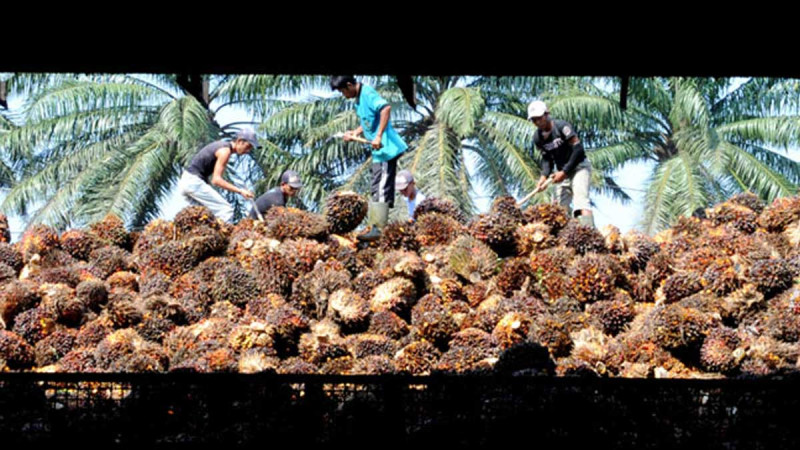
Currently, more than 75% of approximately 280,000 workers in the Malaysian palm oil plantation sector are foreign labor, with the majority coming from Indonesia, followed by Bangladesh, India, and Nepal.
"The government is aware that high dependence on foreign labor can pose various risks, including exploitation and forced labor, especially if the recruitment process is not transparent," said Chan.
He also reminded that such practices could trigger trade restrictions from partner countries like the United States if human rights violations are found in the supply chain.
"Therefore, the Ministry is taking proactive steps through programs like this so that labor issues no longer become obstacles in the development of the plantation sector," he emphasized. (T2)