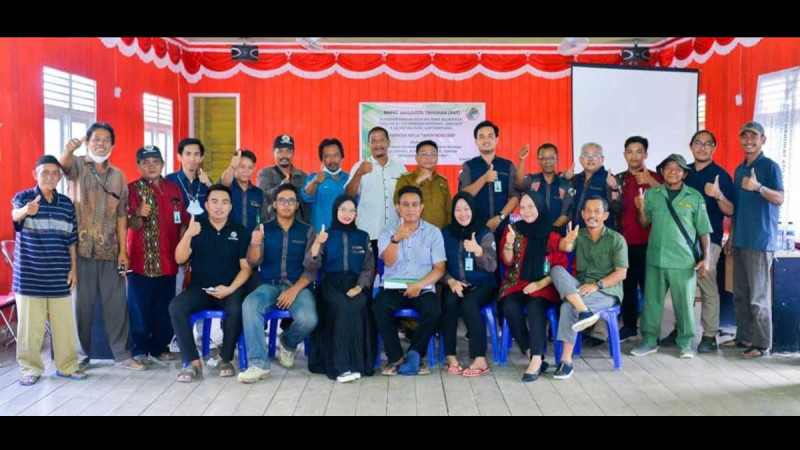
InfoSAWIT, JAKARTA - In the face of increasing global demand for environmentally friendly and deforestation-free palm oil products, the Indonesian Palm Oil Farmers Union (SPKS) is taking swift action. Through ongoing outreach programs held directly in palm oil-producing villages in Bengkayang and Sambas, West Kalimantan, SPKS aims to expedite the involvement of independent palm oil farmers in sustainable management practices.
SPKS Chairman Sabarudin emphasized that this initiative is part of the organization's long-term commitment to strengthen the position of small farmers amid the tightening dynamics of the global palm oil industry. The primary focus of the outreach is to highlight the importance of expediting the issuance of the Cultivation Registration Certificate (STDB) and readiness for Indonesian Sustainable Palm Oil (ISPO) certification, which has now become mandatory under Presidential Regulation No. 16 of 2025.
"We are going directly to farmer groups in the villages to explain the importance of STDB as a legal gateway for palm oil cultivation. Without STDB, it is difficult for farmers to gain official recognition, let alone pursue ISPO certification," Sabarudin stated in an interview with InfoSAWIT on Monday (June 30, 2025).
This outreach effort is also aimed at accelerating the participatory mapping of farmers' plantations, a key requirement for STDB applications. The mapping process involves farmers directly to ensure the accuracy of data regarding their land ownership and legality. This way, each farmer will have official documentation that can be used to access financing, training, and sustainable markets.
"The issuance of STDB is the main foundation. From there, farmers can move towards ISPO certification, which opens up more access, from coaching and technical support to better marketing opportunities," Sabarudin added.
SPKS recognizes that the biggest challenge in promoting sustainable palm oil at the grassroots level is not just regulatory compliance, but also the lack of direct support for farmers. Many independent farmers in the villages still lack access to technical training, institutional strengthening, and especially easily accessible financing facilities.
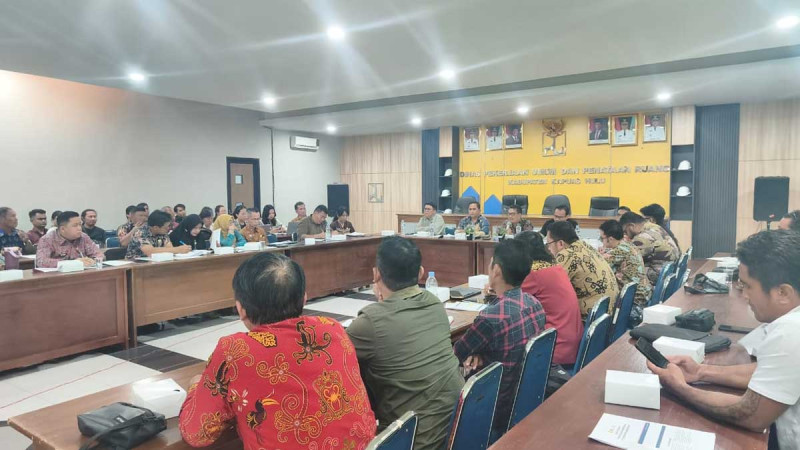
To address this, the outreach program is part of a multi-stakeholder collaboration between SPKS, local governments, and the international development organization Solidaridad, which has been supporting the capacity building of palm oil farmers in West Kalimantan.
According to SPKS, such collaborative approaches are key to creating a more comprehensive and sustainable farmer development model. "This is not just about meeting regulatory obligations. It's about how our farmers can survive and compete in a global market that now demands traceable, deforestation-free, and legally and fairly produced palm oil," Sabarudin asserted.
As the European Union and other countries tighten export regulations related to deforestation and sustainability, ISPO certification is no longer just an option but a strategic necessity. By accelerating the legalization of plantations and certification processes, SPKS hopes that independent palm oil farmers can play a larger role in the sustainable palm oil supply chain.
This initiative is also expected to enhance farmers' bargaining positions, not only in the eyes of companies or buyers but also in accessing various government programs and financing schemes from financial institutions. "We want independent palm oil farmers in West Kalimantan to be key players in the transition to sustainable palm oil. Not just as policy objects, but as active, organized participants with capacity," Sabarudin concluded.
The outreach program will continue to roll out to other villages, with the hope that more farmers will understand and be ready to meet legal and sustainability standards. The future of Indonesia's palm oil industry will not only be determined by top-down policies but also by the readiness of farmers at the grassroots level. (T2)