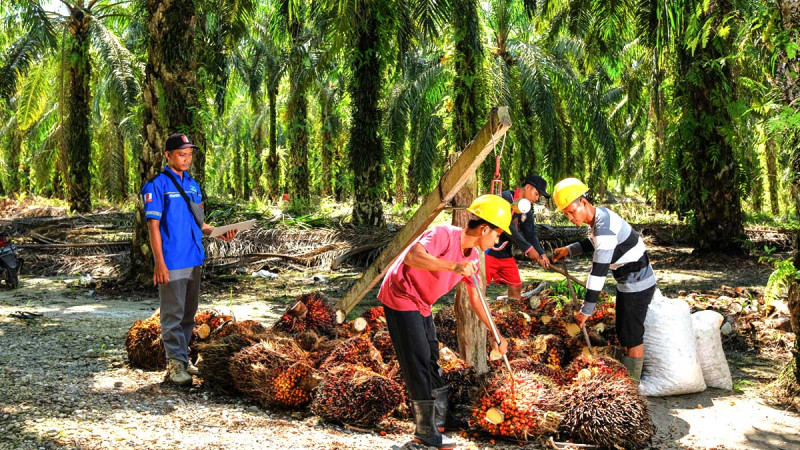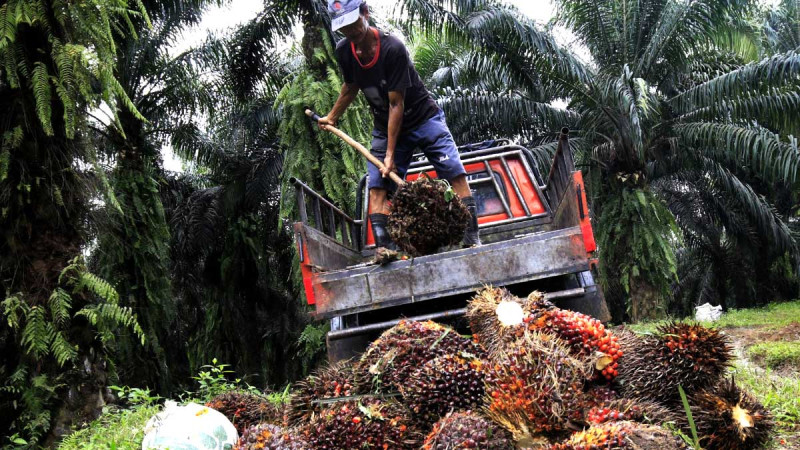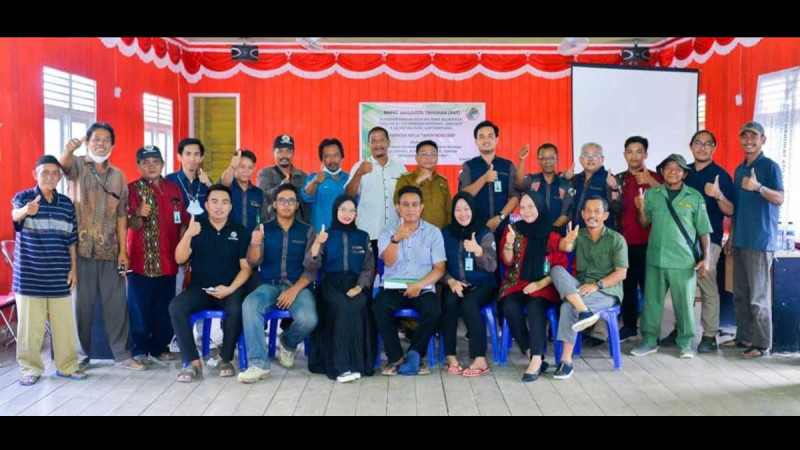
InfoSAWIT, JAKARTA — Amidst the negative perceptions surrounding the palm oil industry, a different narrative is emerging, highlighting the positive aspects of Indonesia's palm oil sector. This narrative is not merely a claim but is backed by tangible evidence, from health clinics in the plantations to free schools for workers' children. Behind the shadows of accusations, palm oil has quietly sown the seeds for a golden generation of the future.
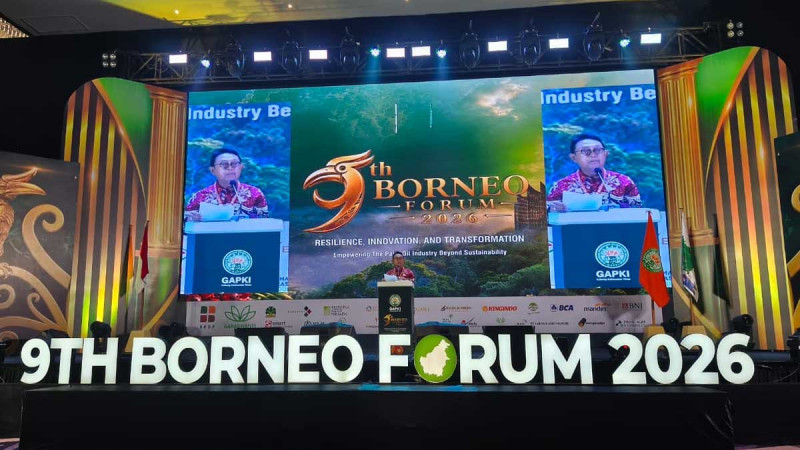
The Indonesian Palm Oil Entrepreneurs Association (GAPKI), through its Human Resource Development Chair, Sumarjono Saragih, emphasizes that palm oil deserves recognition not only for its contribution to the national economy—contributing over Rp600 trillion in foreign exchange this year—but also for its commitment to nurturing human development from the remote villages where palm oil plantations are located.
"Sometimes we get too caught up in remembering the dark sides. The potential of palm oil as a driver for the birth of a golden generation is very real," said Sumarjono, who is also the founder of Worker Initiatives for Sustainable Palm Oil (WISPO).
Looking back, the long history of plantations in Indonesia is rooted in the colonial era. However, not all of that legacy is negative. One enduring aspect is the focus on health and education. For instance, the Putri Hijau Hospital in Medan, now managed by the Indonesian Army, was originally built by the Deli Maatschappij tobacco plantation company in 1885.
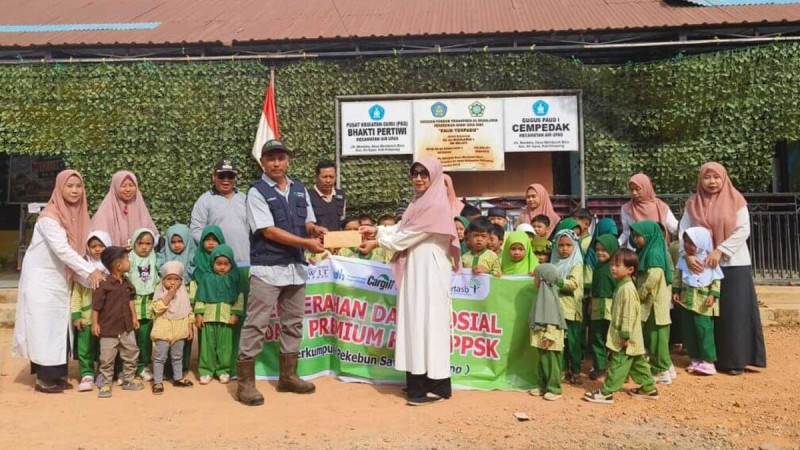
This culture continues in the modern palm oil industry. Clinics with 24-hour medical staff are not uncommon in plantations. Child care facilities are also provided, ranging from daycare centers to schools from kindergarten to high school. Employees' children receive free education, while local children can also enjoy the same facilities if they meet the requirements.
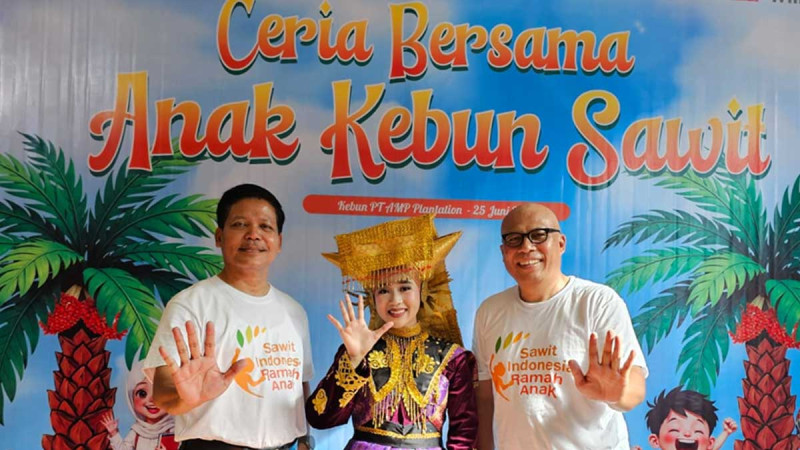
This year's World Day Against Child Labor (HDMPA) was celebrated in an unusual location, right in the middle of a palm oil plantation. Titled "Joy Together with Palm Oil Plantation Children," the event took place at the Wilmar PT AMP plantation in Agam Regency, West Sumatra, with support from the Ministry of Women's Empowerment and Child Protection (KPPPA), the local government, and the Palm Oil Plantation Fund Management Agency (BPDP).
The children of employees were the main participants in the event, showcasing various talents: singing, dancing, and reciting poetry—all in a joyful and proud atmosphere. “They are not child laborers, but children living in a system that respects their rights,” Sumarjono stated in an interview with InfoSAWIT on Saturday (June 28, 2025).
The palm oil industry's commitment to creating a child-friendly environment has received official recognition. On June 16, 2025, GAPKI received the PAACLA AWARD 2025 during the national HDMPA commemoration in Jakarta. This award signifies that collaboration between the private sector and the government can create real change in child protection within the plantation sector.
Amidst the government's limited ability to reach remote villages, the social systems in palm oil plantations serve as an unseen support for the dream of Indonesia Gold 2045. Children growing up with adequate nutrition, proper education, and values of hard work and responsibility in the plantations are the foundation for the future.
"It is not an exaggeration to call palm oil a source of the golden generation of 2045," concluded Sumarjono.
Beyond the polarized debates on sustainability, palm oil proves its ability to reach the deepest aspects of human development: children. And from these often-misunderstood plantations, hope for the nation's future is growing, greeting the skies of Indonesia with smiles full of enthusiasm. (T2)