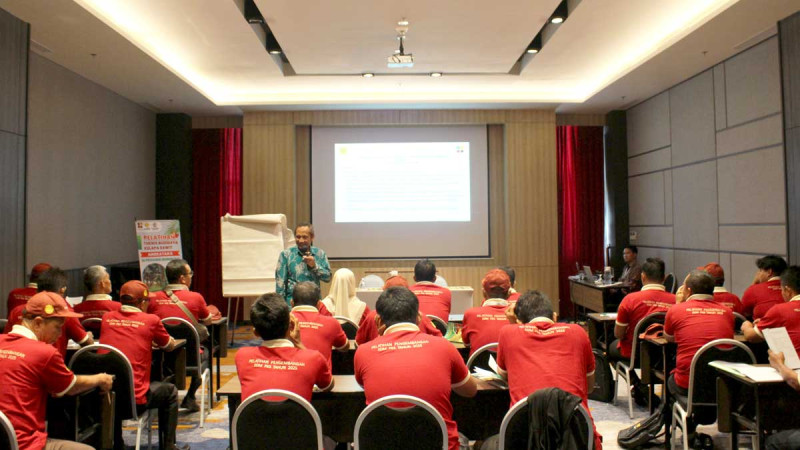
InfoSAWIT, BENGKULU SELATAN — The government continues to strengthen its commitment to developing the palm oil plantation sector through approaches that directly touch grassroots, one of which is through enhancing human resource capacity. This is realized in the Palm Oil Human Resource Development Program currently underway in South Bengkulu Regency.
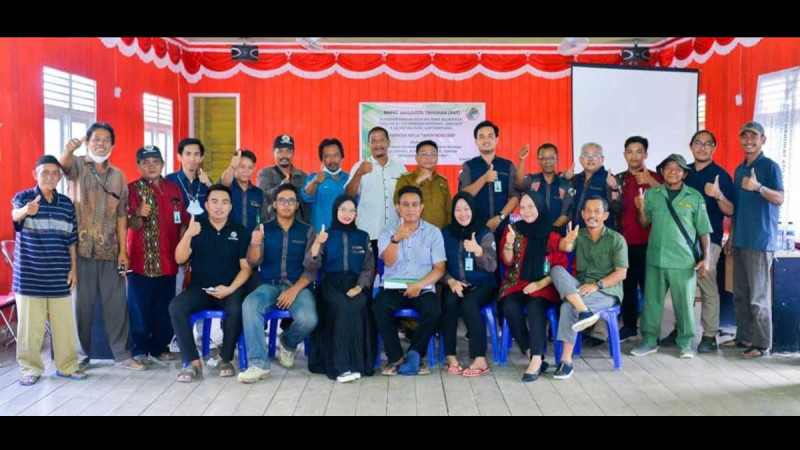
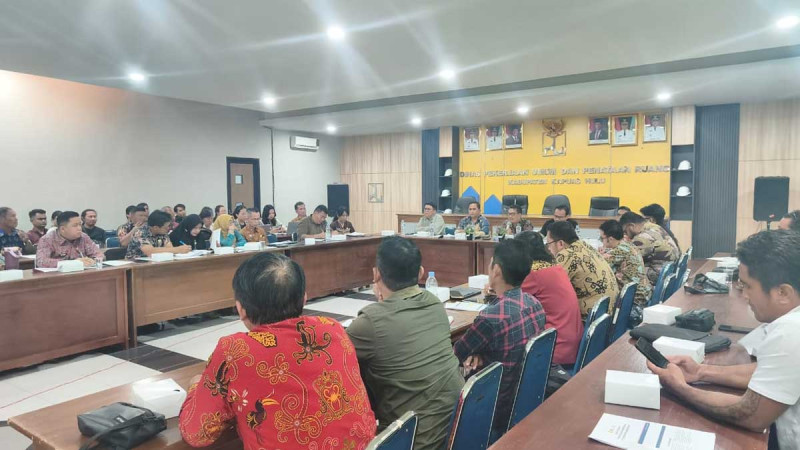
The program, initiated by the Palm Oil Plantation Fund Management Agency (BPDP) in collaboration with the Directorate General of Plantations, Ministry of Agriculture, partners with the training institution PT Citra Widya Education (PT CWE) as the implementing partner. The training targets 144 local palm oil farmers and is held over five days, from June 16 to 20, 2025.
PT CWE's President Director, Nugroho Kristono, expressed pride in contributing to this strategic national program. "We are committed to conducting applicable and relevant training for palm oil farmers so they can manage their plantations more professionally and sustainably," he stated in an official statement received by InfoSAWIT on Thursday, June 19, 2025.
Participants are divided into two main material groups: Technical Training in Palm Oil Cultivation (classes I, II, and III) with 90 participants and Technical Training in Harvesting and Post-Harvest (classes I and II) with 54 participants. These farmers receive training from experienced practitioners and academics and have the opportunity to visit PT Daria Dharma Pratama (DDP) to observe best technical practices in the field.
"This training is crucial for enhancing farmers' knowledge so they can apply more effective and efficient cultivation, harvesting, and post-harvest methods," Nugroho added.
Undeniably, the role of smallholder farmers is vital in the national palm oil industry. Of the total palm oil plantation area in Indonesia, which reaches 16.38 million hectares, approximately 42% or about 6.7 million hectares is directly managed by smallholder farmers. This fact provides a strong basis for the government to continue supporting farmers through various training and capacity-building initiatives.
The Head of the Food Crops, Horticulture, and Plantations Office of Bengkulu Province, Rosmala Dewi, also attended and expressed appreciation. She emphasized that this activity is part of a national priority program. "This is not just an ordinary training; it is a collaborative space to enhance palm oil farmers' productivity. We hope participants can pass on their knowledge to other farmers who have not had the opportunity," she stated.
Rosmala also stressed the importance of participants' commitment to fully engage in the training series. "Because what we are building here is not just individual capacity but the future of a sustainable palm oil industry," she added.
Meanwhile, the Head of the Plantation Division of the Bengkulu Selatan Agriculture Office, Ahmad Sukirman, noted that this training is a significant moment for farmers to enhance professionalism in managing their plantations. He stated that the quality of smallholder plantations is heavily influenced by the knowledge and skills of the farmers.
"With this training, we hope participants not only gain knowledge but also actively discuss, share experiences, and become agents of change in their communities," Ahmad said.
He also reminded the importance of fostering a spirit of mutual cooperation among farmers to improve productivity and the quality of plantation yields. "Because the challenges ahead are growing. Only with skilled farmers who understand good cultivation technology can we compete and remain a leading palm oil producer," he asserted.
More than just technical training, this activity is part of the government's broader vision to build an inclusive and sustainable palm oil industry. Programs like this are expected to produce a new generation of palm oil farmers who are adaptive to contemporary challenges while maintaining optimal land productivity.
The concrete steps taken in South Bengkulu exemplify that the development of the palm oil sector does not solely rely on downstream industrialization but also hinges on empowering people in the upstream sector—the farmers themselves. (T2)