InfoSAWIT, PONTIANAK — Indonesia's commitment to human rights principles in business continues to strengthen. As a country that has signed the United Nations Guiding Principles on Business and Human Rights (UNGPs BHR), Indonesia is pushing for the implementation of these principles at the regional level, including in strategic sectors such as palm oil plantations.
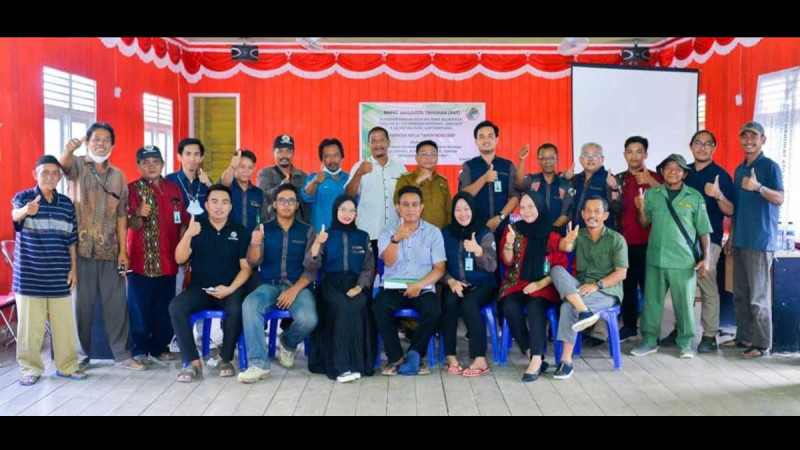
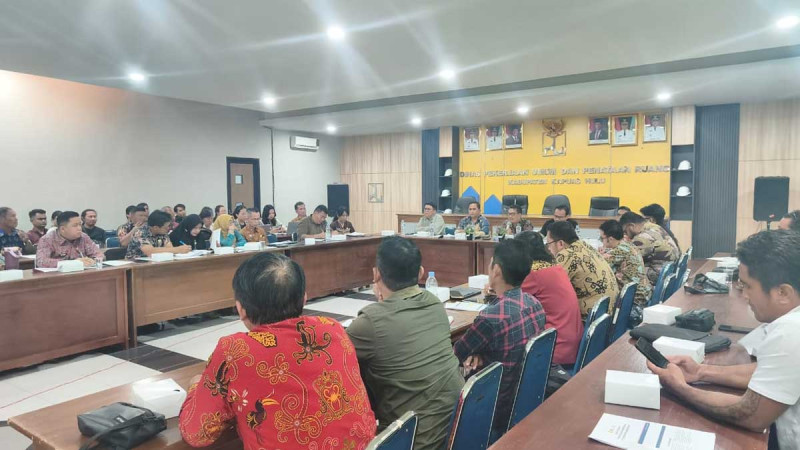
As a concrete manifestation of this commitment, the Teraju Indonesia Institute held a workshop titled "Collaboration in Improving the Palm Oil Sector through the Implementation of Business and Human Rights Standards and National Policies in West Kalimantan," which took place last Monday. The event featured several key speakers and was attended by representatives from local governments, law enforcement agencies, palm oil companies, the West Kalimantan GAPKI association, and plantation labor unions.
Dr. Budimansyah, an academic who was a speaker at the workshop, emphasized the importance of collaborative work between the government and business actors. “Local governments have a responsibility to formulate policies that encourage the implementation of human rights principles in business activities. This can take the form of regional regulations at the provincial or district/city level,” he stated, as reported by InfoSAWIT from Komnas HAM on Monday (June 2, 2025).
Meanwhile, Nelly Yusnita, Head of the West Kalimantan Komnas HAM Secretariat, elaborated on the importance of conducting Human Rights Due Diligence (HRDD) by companies. “Corporations are required to take preventive measures against potential human rights violations, even in situations that may seem beyond their control. Additionally, companies need to learn from past failures to prevent adverse impacts on human rights in the future,” she explained.
The workshop also introduced the PRISMA application, a tool provided by the government to assist companies in conducting self-assessments of their adherence to human rights principles in their business operations. This application includes 13 indicators that companies must fill out, which will then be verified and assessed for compliance levels.
“The benefits are significant, not only for companies but also for society. Employees become more motivated, productivity increases, consumer trust grows, and attractiveness to investors also rises,” Nelly added.
The discussion, moderated by Agus Sutomo, was dynamic, with participants sharing best practices in implementing human rights in the palm oil sector. At the end of the session, participants drafted a follow-up plan to promote improvements in the HRDD mechanism in West Kalimantan, hoping to serve as a model for other regions in Indonesia.
With collaboration between the government, the business sector, and civil society, West Kalimantan is expected to become a pioneer in implementing human rights principles in strategic industry sectors, particularly in supporting sustainability and social justice in the palm oil plantation sector. (T2)