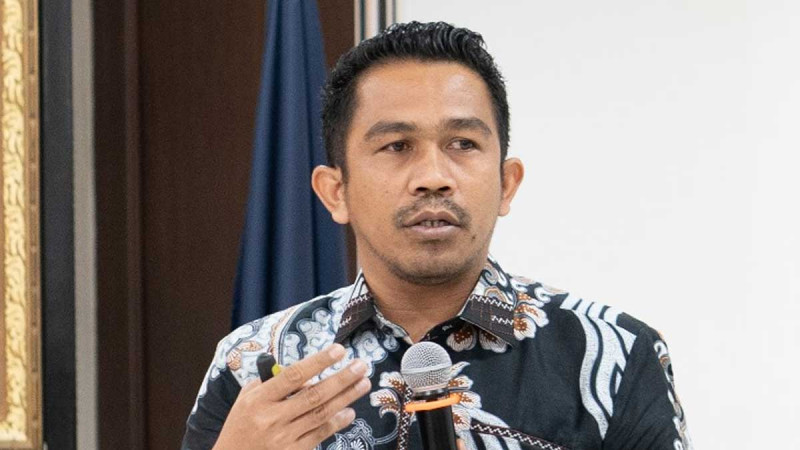
InfoSAWIT, JAKARTA — The Oil Palm Smallholders Union (SPKS) is urging the Indonesian government to provide full financial support for the Indonesian Sustainable Palm Oil (ISPO) certification for independent smallholder farmers. In addition, SPKS emphasized the importance of offering incentives so that ISPO certification becomes a motivation rather than a burden for farmers to adopt sustainable palm oil practices.
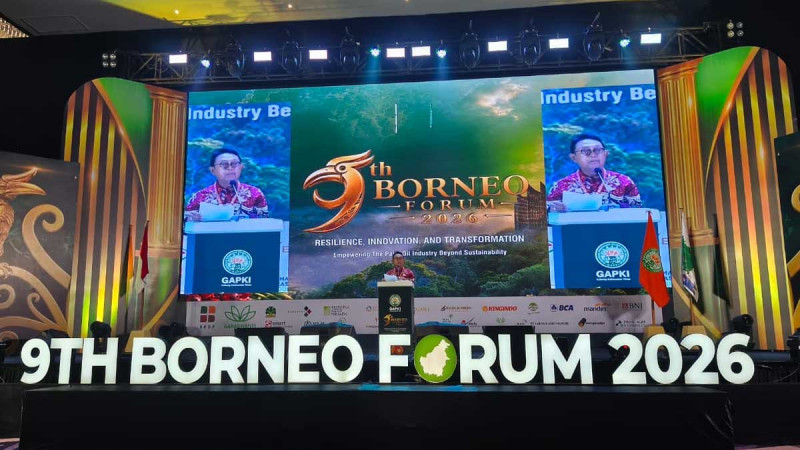
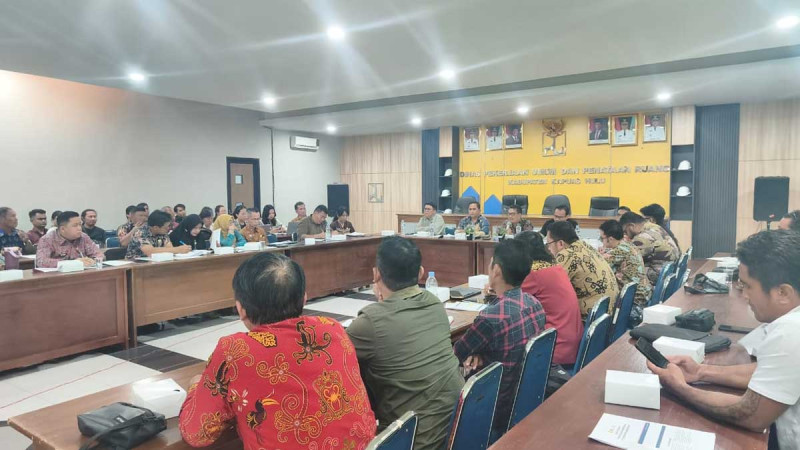
This was conveyed by SPKS Chairman, Sabarudin, during the Thought Leadership Forum titled "Bridging Policy and Practice: Harmonizing Local Regulations with Global Sustainability Standards", held at Trisakti University and attended by InfoSAWIT in Jakarta on Tuesday (May 27).
"Since ISPO was introduced in 2011 through Minister of Agriculture Regulation No. 19, its implementation among smallholders has been extremely slow. One of the main barriers is the lack of government funding and the absence of incentives for certified farmers," Sabarudin said.
He explained that with the issuance of Presidential Regulation (Perpres) No. 16 of 2025 on ISPO, all oil palm farmers are now required to obtain ISPO certification. However, in practice, certification costs remain a major challenge. “Currently, there’s no price difference for Fresh Fruit Bunches (FFB) between certified and non-certified farmers. There is no premium price, despite the high costs of certification which farmers must bear themselves,” he added.
According to him, the regulation clearly outlines funding sources for ISPO, one of which is the Palm Oil Plantation Fund Management Agency (BPDPKS), as stipulated in Article 16. Therefore, SPKS is demanding that 100% of ISPO certification costs for smallholders be covered by BPDPKS.
“The export levy managed by BPDPKS amounts to around IDR 30–50 trillion annually. This comes directly from deductions made from the price of farmers’ FFB. It is only fair that the funds are returned to the farmers in the form of full support for ISPO certification,” he asserted.
Sabarudin also revealed that based on SPKS' experience in assisting smallholder cooperatives, the cost of ISPO certification per farmer reaches around IDR 3.5 million. This funding is needed for farmer data collection, cultivation training, institutional strengthening, environmental assessments, internal control systems, and audits by certification bodies.
"In total, to fund ISPO certification for approximately 3.2 million smallholders with 6.7 million hectares of land, about IDR 15–20 trillion is needed. This is an amount that should be allocable from BPDPKS funds," he stated firmly.
He added that BPDPKS was established from the beginning to support the sustainability of smallholder farmers. Therefore, fully funding ISPO certification is not only a form of alignment with smallholders, but also a responsibility of the agency in advancing a sustainable palm oil industry in Indonesia.
With sufficient funding and proper incentives, SPKS hopes more smallholders will be able to meet ISPO standards, allowing them to compete in the global market while strengthening the position of Indonesian palm oil amid growing sustainability demands. (T2)