
InfoSAWIT, JAKARTA – The adoption of certified seeds in Indonesia remains relatively limited, with only around 62% of seed use meeting certification standards, according to Agustinus Budi, Vice President of Research at state-owned agricultural company PT Sang Hyang Seri.
The figure, based on data he said he had previously reviewed, highlights the significant room for improvement in Indonesia's seed system and its efforts to raise agricultural productivity.
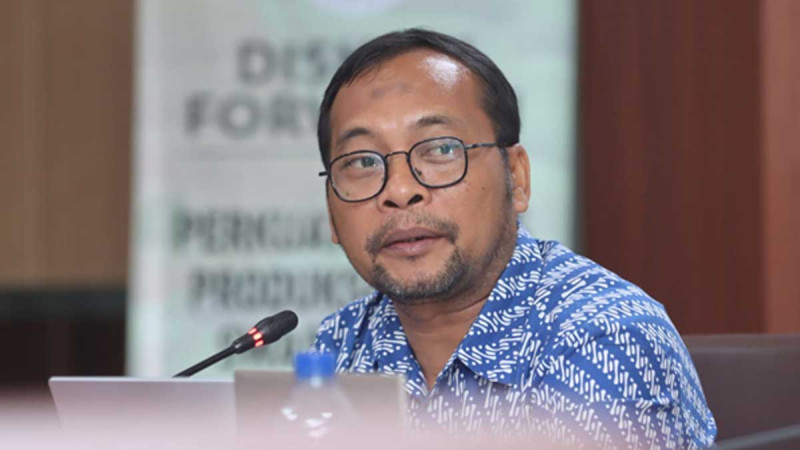
Agustinus discussed the issue during a forum titled “Strengthening Production Infrastructure to Support Sustainable Food Self-Sufficiency”, attended by InfoSAWIT in Jakarta on November 18, 2026.
He said agricultural productivity depends on more than land availability. Seed quality, varietal suitability, local environmental conditions, cultivation practices and post-harvest management all play important roles in determining production outcomes.
According to Agustinus, high-quality seeds provide the foundation for improving agricultural yields. Farmers need access to varieties suited to local conditions, seasonal patterns and their production requirements, supported by reliable quality assurance.
One of the challenges facing Indonesia's seed system is the mismatch between supply and demand across regions. Certain varieties may be in surplus in one area, while farmers elsewhere face shortages of the varieties best suited to their needs.
Distribution timing is another concern. Delays in delivering seeds can disrupt planting schedules, particularly during periods of seasonal demand when farmers need supplies within a limited window.
Seed Quality Is Essential to Building Farmers' Trust
Agustinus emphasised that seed quality is closely linked to farmers' confidence in certified products. When farmers receive seeds that fail to meet their expectations, rebuilding trust and encouraging wider adoption can become difficult.
For this reason, quality control needs to be maintained consistently throughout the production and distribution process.
Agustinus said PT Sang Hyang Seri seeks to apply internal quality standards that are more stringent than the government benchmark. In his presentation, he cited an internal target of at least 88%, compared with the 80% government standard he referenced.
The company is also working to encourage certified seed adoption through farmer assistance, field demonstrations and ongoing technical support. These initiatives are intended to help farmers understand the benefits of quality seeds and gain greater confidence in using them.
Distribution remains a significant logistical challenge. As an archipelagic country, Indonesia needs a supply network capable of reaching farmers across geographically diverse regions, including areas with limited transport access.
Seed deliveries must be carefully planned to ensure that supplies arrive on time and are available when farmers need them for planting.
Agustinus argued that expanding certified seed adoption requires more than awareness campaigns. Access to suitable varieties, consistent quality assurance, reliable supply and efficient distribution must all work together.
Improving the availability and use of high-quality seeds will be an important part of strengthening agricultural productivity and supporting Indonesia's long-term food self-sufficiency ambitions. (T2)