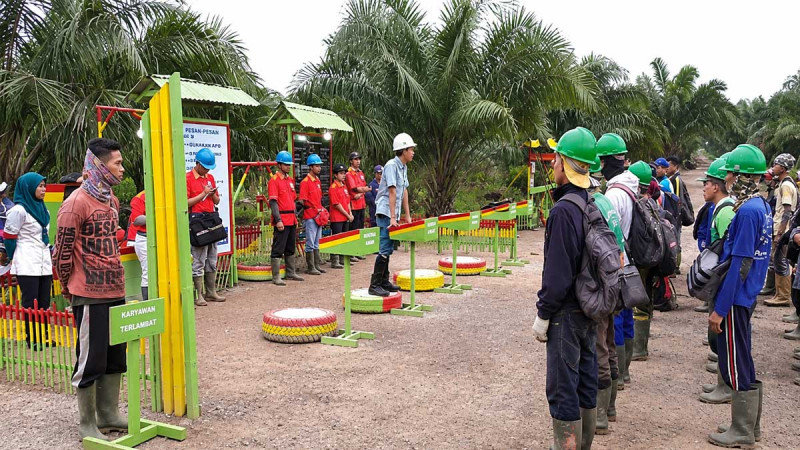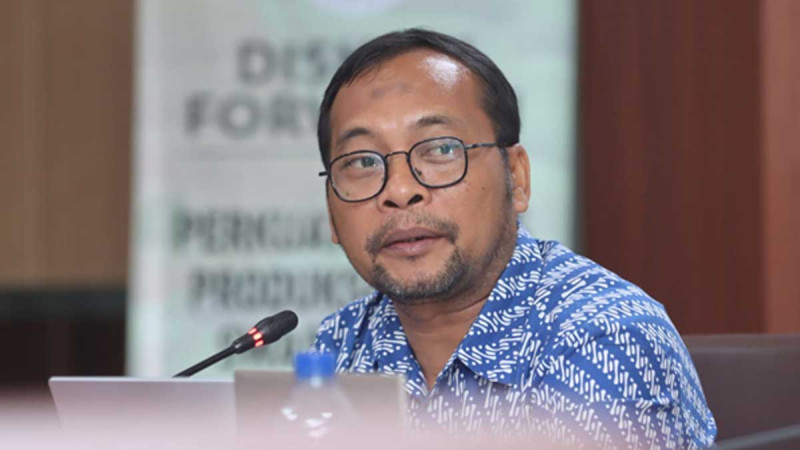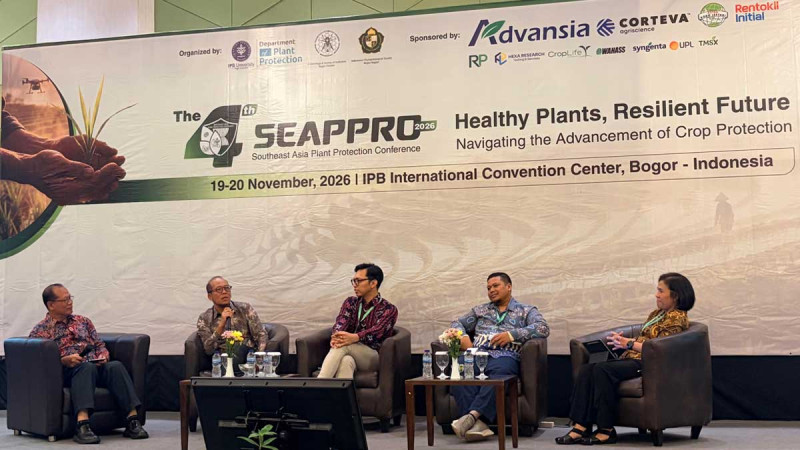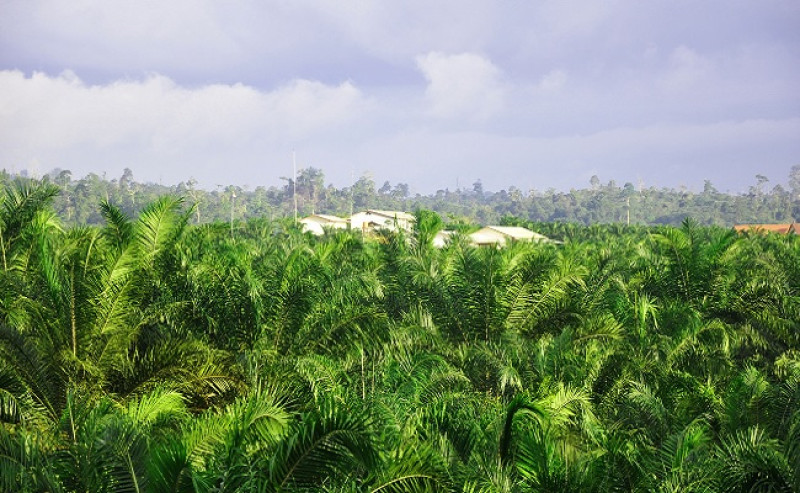

InfoSAWIT, JAKARTA – Indonesia’s palm oil sustainability agenda needs to place greater emphasis on worker protection, as social safeguards and access to employment-related social security remain critical gaps in the industry’s broader sustainability efforts.
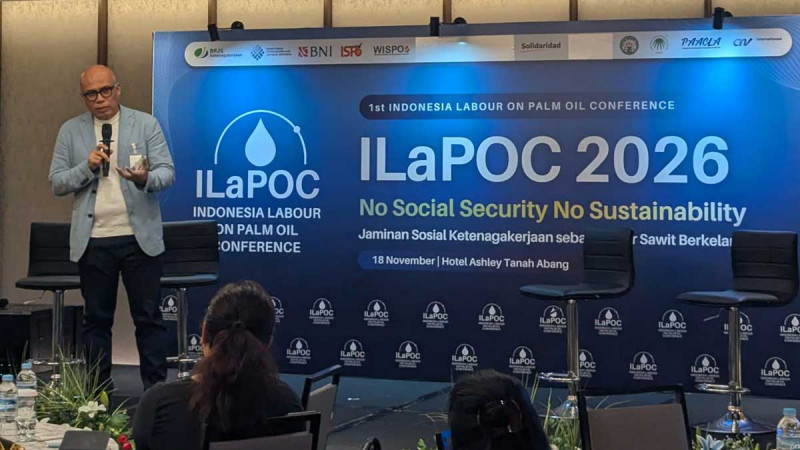
That was the central message of the Indonesia Labour on Palm Oil Conference (ILaPOC) 2026, held in Jakarta on November 18, coinciding with Indonesia’s National Palm Oil Day.
Initiated by Sumarjono Saragih, a member of the Supervisory Board of BPJS Ketenagakerjaan for the 2026–2031 term, the conference carried the theme “Social Security as a Pillar of Sustainable Palm Oil.” Its central message was captured in the principle “No Social Security, No Sustainability” – underscoring that the industry's sustainability ambitions cannot be considered complete without adequate protection for its workforce.
ILaPOC brought together stakeholders from across the palm oil value chain, including employers, workers, government representatives and national and international civil society organisations. Discussions focused on decent work and the need to strengthen social protection across the sector.
Key topics included employment-related social security, child protection, women's empowerment, social dialogue, good labour practices and financial inclusion.
Expanding the Scope of Sustainability
The conference was built around the view that sustainable palm oil development must balance three interconnected dimensions: People, Planet and Prosperity.
These principles underpin the People-Centric Sustainable Palm Oil campaign, which promotes an industry developed by people, for people and with people at its centre.
In an official statement received by InfoSAWIT on November 19, the organisers noted that formal employees working for companies are generally required to receive social security protection in accordance with applicable regulations.
However, significant gaps remain among informal workers involved in the palm oil supply chain. These include smallholders, agricultural labourers, drivers, shop owners and other workers whose livelihoods are linked to plantation activities.
Their large numbers and concentration in rural areas make extending social protection particularly challenging. Addressing the gap will require closer collaboration among companies, government institutions, workers and civil society organisations.
ILaPOC also aims to provide a platform for showcasing successful industry initiatives that improve workers' welfare. The organisers believe these practices need to be scaled up beyond individual companies to reach workers throughout the wider supply chain.
Global Markets Are Paying Closer Attention to Labour Rights
The growing emphasis on social protection also reflects changing expectations in international markets. Labour rights are increasingly recognised as an integral part of human rights responsibilities across global supply chains.
Among the policy frameworks highlighted at the conference were the European Union's Corporate Sustainability Due Diligence Directive (CSDDD), Human Rights Due Diligence (HRDD) frameworks and Indonesia's National Strategy on Business and Human Rights.
These developments signal that sustainability assessments are no longer limited to the origin of raw materials or environmental impacts. Companies are also increasingly expected to demonstrate how they respect workers' rights and manage social risks throughout their operations.
For Indonesia's palm oil industry, stronger labour practices are therefore becoming an important part of maintaining credibility in international markets.
Sustainability commitments need to translate into tangible action, including worker protection, women's empowerment, the prevention of child labour and stronger social dialogue.
The organisers hope ILaPOC will become an annual event held alongside National Palm Oil Day, with its agenda evolving to address emerging labour challenges across the sector.
Through ILaPOC and the GESIT Sawit movement, the organisers are promoting a broader understanding of sustainability – one that extends beyond production, trade and environmental conservation to include the welfare and dignity of people working throughout the palm oil supply chain. (T2)