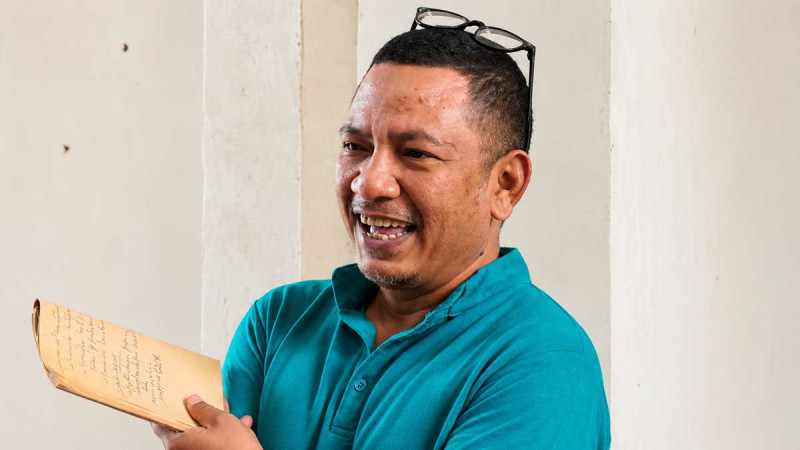
InfoSAWIT, JAKARTA – The Indonesian Palm Oil Smallholders Organization Association (POPSI) has called on PT Danantara Sumberdaya Indonesia (DSI) to postpone its planned service fee on crude palm oil (CPO) and downstream palm oil exports. The request comes as independent smallholders continue to face economic pressure from declining plantation productivity and weaker fresh fruit bunch (FFB) prices in several regions.
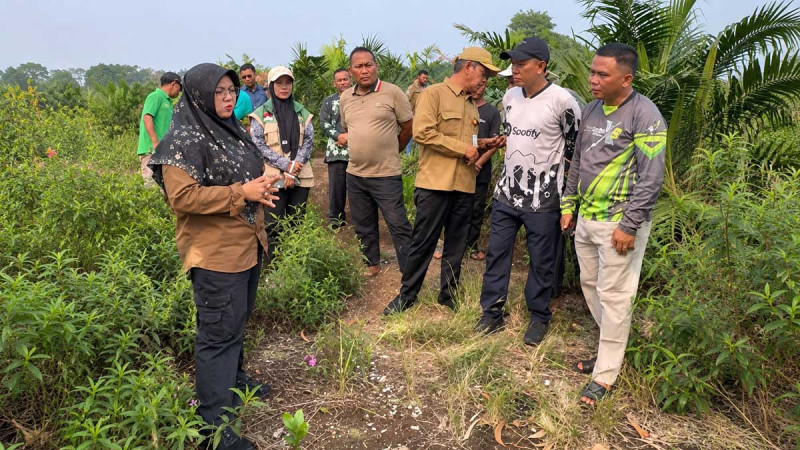
POPSI Chairman Mansuetus Darto said the introduction of an additional fee would be inappropriate while smallholders were still struggling to recover financially. According to him, the impact of El Niño has reduced plantation productivity in several areas, with declines estimated at between 10% and 15%.
Lower productivity has reduced the volume of FFB available for sale. At the same time, FFB prices in several producing regions have also weakened.
In North Sumatra, FFB prices across 15 producing districts in mid-November ranged from IDR2,650 to IDR3,400 per kg. The lowest price was recorded in North Labuhanbatu Regency at IDR2,650 per kg.
Meanwhile, the price of plasma smallholder FFB in West Kalimantan for the second period of November fell to IDR3,440.93 per kg from IDR3,484.85 per kg previously. In Riau, the price of independent smallholder FFB for nine-year-old palms declined to IDR3,719.99 per kg for the November 11–17, 2026 period.
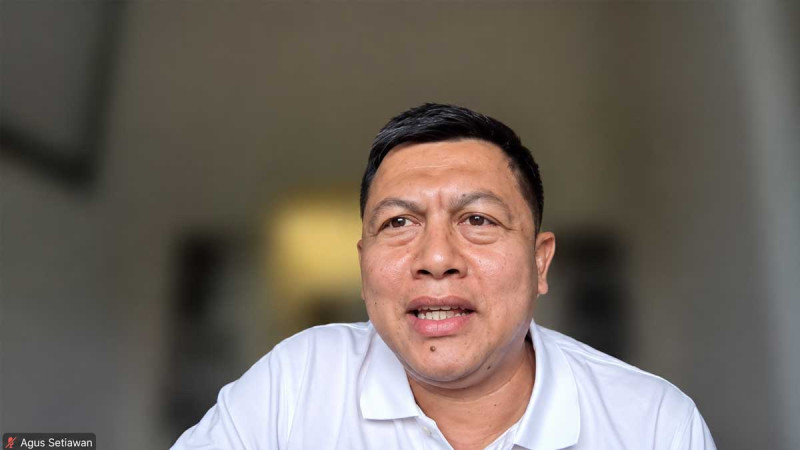
"Smallholders are facing pressure from two sides. Plantation productivity has declined due to El Niño, while FFB prices in several regions have also weakened," Darto said in an official statement received by InfoSAWIT on Tuesday (November 17, 2026).
Transparency of Service Fees Under Scrutiny
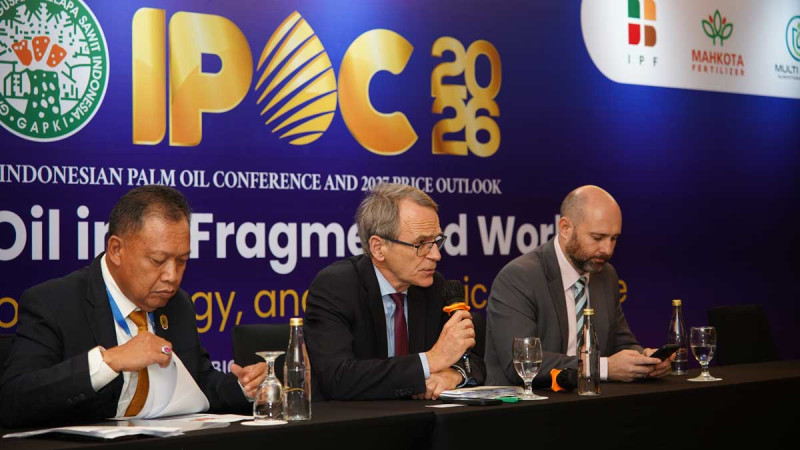
Previously, DSI President Director Luke Thomas Mahony stated at the Indonesian Palm Oil Conference (IPOC) 2026 in Bali that the export service fee through DSI's platform was expected to be below US$1 per tonne. The final tariff is scheduled to be announced in December 2026, ahead of the system's planned implementation on January 1, 2027.
POPSI has questioned the basis for imposing the additional fee, noting that the palm oil industry already bears several fiscal obligations, including the Export Levy (PE) and Export Duty (BK).
Darto urged DSI to publicly explain the service components, tariff calculation methodology, use of collected funds, and audit and accountability mechanisms. He also suggested that the financing of export governance systems should be reviewed through existing state revenue channels, including Export Duty allocations under the State Budget (APBN).
In addition, POPSI called for stakeholders to be involved in determining the tariff rather than leaving the decision solely to the company's internal management and shareholders.
Implementation Should Wait for Smallholder Recovery
POPSI specifically urged DSI to delay the service fee until the effects of El Niño have subsided, plantation productivity begins to recover, and smallholders' economic conditions improve.
Darto emphasized that the organization does not oppose efforts to improve export transparency and governance. However, any new policy should benefit the entire palm oil supply chain without imposing additional costs that could further burden producers at the upstream level.
"Public policy must take into account the actual conditions of the communities affected," he stressed. (T2)