InfoSAWIT, MEDAN — Sixty farmers and farmer assistants from Batubara Regency, North Sumatra, participated in intensive training designed to transform their knowledge and skills in palm oil cultivation. Held at the AIHO Hotel in Medan, the training titled "Technical Palm Oil Cultivation" took place from June 30 to July 5, 2025, bringing a fresh atmosphere to the capacity development of independent farmers.
This event is a collaboration between the Plantation Fund Management Agency (BPDP) and the Directorate General of Plantations (Ditjenbun) of the Ministry of Agriculture, with technical implementation support from PT Koompasia Enviro Institute. The training represents a tangible manifestation of the government's commitment to strengthening the foundation of the smallholder palm oil sector—from upstream to the grassroots level.
Participants were welcomed with enthusiasm and high discipline. Polora Barimbing, a representative from the North Sumatra Plantation and Livestock Office, praised the dedication of Batubara farmers in absorbing knowledge during the training.
“We appreciate the commitment of Batubara farmers who participated in this training with great enthusiasm. It is hoped that the knowledge gained will be effectively applied to improve their respective plantation yields,” Polora stated in an official statement received by InfoSAWIT on Tuesday (July 8, 202 5).
Meanwhile, Susilistiawati Ritonga, representing the Batubara Regency Government, emphasized the importance of ongoing technical support to enable palm oil farmers to consistently enhance their cultivation quality.
“Palm oil farmers need to be equipped with sufficient knowledge to maintain both the quality and quantity of their production. We hope that this training will empower participants to boost their plantation productivity,” Susilistiawati remarked.
Training that Revitalizes Classrooms
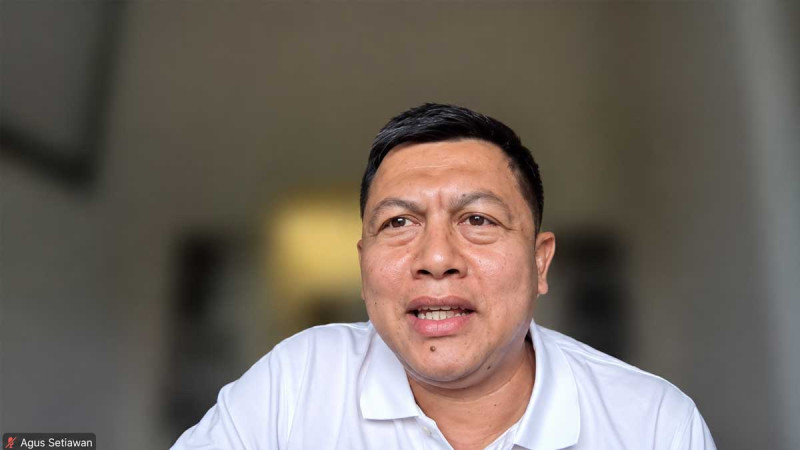
This training was not merely a one-way delivery of information. Henri Marpaung, Director of PT Koompasia Enviro Institute, stressed that the approach used encouraged active participation from attendees.
“We do not just provide material; we also engage participants in critical thinking, discussions, and practical simulations. This ensures that the knowledge received is grounded and can be directly applied in their fields,” Henri explained.
The results were evident from the very first day. Each training session was lively with interaction. Participants were eager to ask questions, take notes, and share their experiences. The training became a collaborative space where theory met reality, and experiences blended with innovation.
The materials covered a wide range of essential topics in palm oil cultivation, including understanding the latest regulations and policies in the plantation sector, techniques for selecting superior and adaptive seeds, strategies for land preparation and care for young plants, and environmentally friendly pest, disease, and weed control.
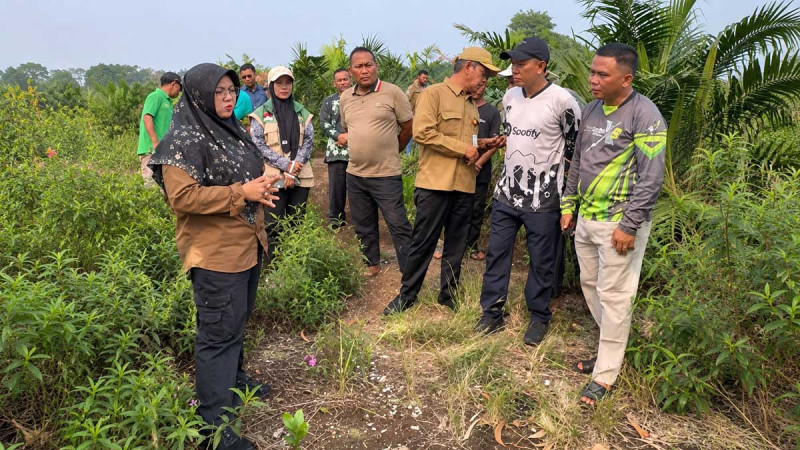
As a culmination of the training, participants visited PT PP London Sumatra Indonesia, Bah Lias Estate, in Perdagangan I, Simalungun Regency. Here, they were shown the implementation of Good Agricultural Practices (GAP) by the company, covering everything from plant management and fertilization to research-based disease control.
Open discussions with field practitioners added new insights for the independent farmers. They not only observed best practices but were also encouraged to explore what could be adapted to their own plantations.
This training marks a significant step in the long journey toward enhancing productivity and competitiveness among independent palm oil farmers. It is not just about adding knowledge; it equips participants with a new mindset that successful palm oil cultivation is not solely about hard work in the field but also about smart, knowledge-based practices. (T2)