InfoSAWIT, JAKARTA — Deputy Foreign Minister Arif Havas Oegroseno has expressed serious concerns regarding the direct impact of the European Union Deforestation Regulation (EUDR) on smallholders in Indonesia. He stated that this policy not only complicates export access for the country's key commodities but also poses a risk of discrimination in global trade.
"One of the most pressing issues we face now is the impact on smallholders, particularly those in the rubber, cocoa, coffee, and palm oil sectors," Havas remarked, as reported by InfoSAWIT from Antara on Friday, July 4, 2025.
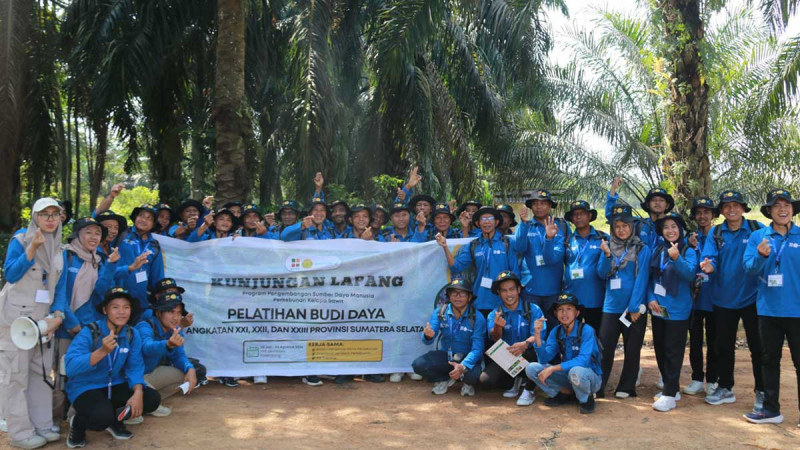
He elaborated that small farmers would struggle to meet the stringent requirements set by the EUDR, including digital tracking and geolocation obligations that necessitate infrastructure and technical capacity that are not uniformly available on the ground. This situation could severely hinder their export opportunities to European markets.
Furthermore, the Deputy Minister highlighted a recent proposal from the European Union that reinforces the discriminatory perception of the policy. The new proposal suggests exemptions from the EUDR for local European farmers by introducing a "negligible risk" category, applicable only to farmers within the EU.
"If this is accepted, it will clearly create dual regulations—rules that apply only to European farmers and different treatment for those outside Europe," Havas emphasized.
Despite these concerns, he clarified that discussions surrounding the EUDR are not part of the negotiations for the Indonesia-European Union Comprehensive Economic Partnership Agreement (IEU-CEPA). Instead, Indonesia is raising this issue in a separate forum with 18 other affected countries, forming a group known as like-minded countries (LMC).
"We have our own group to discuss this," Havas stated.
Regarding the possibility of bringing this issue to a dispute forum at the World Trade Organization (WTO), Havas mentioned that this is still under consideration. He noted that discussions are ongoing and have not yet reached the stage of an official complaint. However, he indicated that international trade experts have suggested that the EUDR could potentially violate fair trade principles outlined by the WTO.
"The process is not complete, but European trade experts have already indicated that this policy could be brought to the WTO by non-European countries," he said.
It is worth noting that the Indonesian government and the European Union previously held a bilateral dialogue on June 4, 2025, in Brussels to specifically discuss the EUDR policy. During this dialogue, the Indonesian delegation asserted that the EUDR was unilaterally established without consultation with commodity-producing countries and has extraterritorial implications—extending beyond the legal jurisdiction of the EU.
Indonesia also sought clarification on the legal basis and risk classification methodology used by the EU, recognition of the national legality system, and potential violations of WTO rules. Additionally, the administrative burden imposed by the EUDR on small farmers was a primary concern during the meeting.
In response to Indonesia's requests, the EU has stated that written answers to all technical and legal questions will be provided shortly. (T2)