InfoSAWIT, MENDALO – A significant breakthrough in the palm oil plantation sector has emerged from the University of Jambi (UNJA). On Tuesday, the Faculty of Agriculture at UNJA officially launched DIGISAWIT—Sustainable Digital Palm Oil Farmers Corporate Information System—which is expected to provide real solutions to various classic issues that have long plagued palm oil farmers in Jambi.
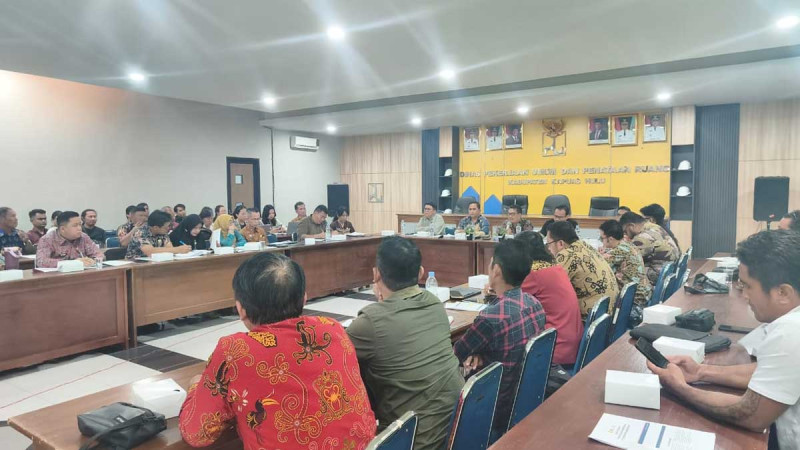
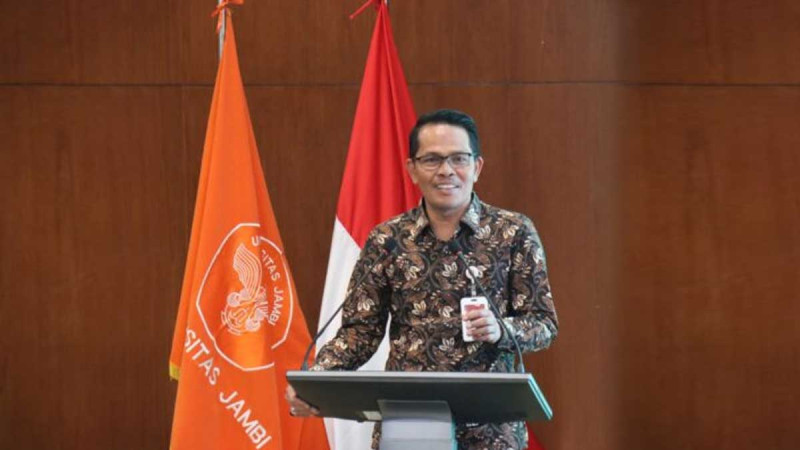
The launch took place at the Auditorium L.1 of the UNIFAC Building at UNJA Mendalo and was attended by several key figures, including UNJA Rector Helmi, Jambi Provincial Secretary H. Sudirman (representing the Governor), local leaders from Muaro Jambi and Batang Hari, representatives from the Plantation Fund Management Agency (BPDP), academics, cooperative partners, and farmers and students.
DIGISAWIT is designed as an integrated digital platform that connects plantation management, production, and marketing in real-time based on traceability and environmentally friendly principles. This system is also intended to support sustainable palm oil certification, which has become an important prerequisite in the global market, particularly in the European Union.
UNJA Rector Helmi described the launch of DIGISAWIT as concrete evidence of the university's role in directly addressing community issues.
“This application is proof that UNJA is present and making a real impact on society. It is the result of our research team's hard work funded by BPDPKS. We hope DIGISAWIT can improve the welfare of palm oil farmers while helping to reduce extreme poverty in Jambi Province,” Helmi stated, as reported by InfoSAWIT from the UNJA website on Friday, June 20, 2025.
The conditions faced by independent palm oil farmers in Jambi are indeed quite complex. High production input costs, low productivity—often reaching 60% below optimal potential—and limited market access are the main challenges. More than 42,000 palm oil workers in this province still live in extreme poverty due to a lack of land and difficulties in forming farmer groups.
Jambi Secretary H. Sudirman emphasized the importance of DIGISAWIT in breaking the cycle of poverty.
“This platform must be a concrete solution. We want poor palm oil farmers to be involved in a digital-based farmers' corporation, so they can gain access to funding, land, and technological assistance equitably,” he said.
More than just a production recording tool, DIGISAWIT embodies a spirit of structural transformation: strengthening farmers' bargaining positions in the palm oil industry value chain, opening up sustainable export opportunities, and facilitating collaboration between farmers, government, universities, and international research institutions.
Prof. Suandi from BPDPKS added that the presence of DIGISAWIT represents a strategic use of palm oil funds to strengthen farmers' institutions on the ground.
“This is a realization of BPDPKS's vision to not only promote product downstreaming but also to empower palm oil farmers directly,” he stated.
In the future, UNJA plans to expand the use of DIGISAWIT to other palm oil centers in Sumatra. This process will be carried out through cross-sector collaboration with support from local governments, cooperatives, donor agencies, and international partners focused on the sustainability of tropical commodities. (T2)