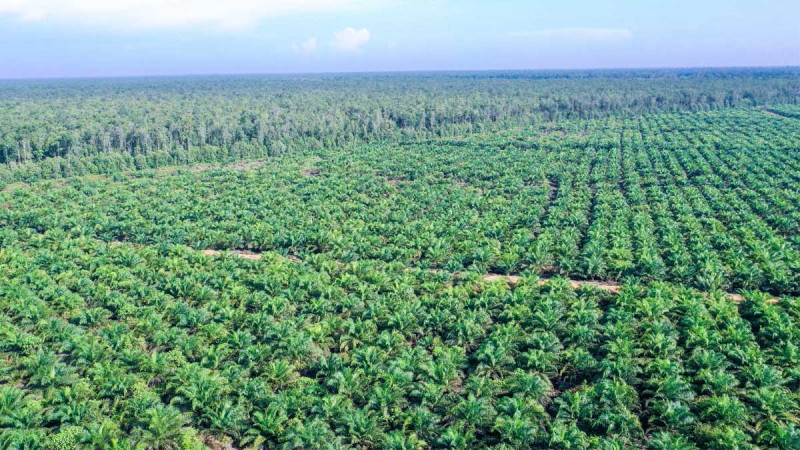
InfoSAWIT, JAKARTA – Amid global scrutiny of the palm oil industry for deforestation and biodiversity loss, a positive development has emerged for independent palm oil farmers who have adopted sustainable practices. With the growth of carbon markets and payments for environmental services (PES) schemes, ISPO and RSPO-certified farmers now have new avenues to benefit financially from their contributions to climate change mitigation.
Reported by InfoSAWIT from Fortasbi, Tuesday (6/10/2025), carbon funds and environmental services schemes provide concrete opportunities for palm oil farmers who maintain the ecological functions of their land. The government has prepared various regulatory frameworks and platforms to encourage active public participation in carbon emission reduction efforts, including launching the Indonesia Carbon Exchange (IDX Carbon) on September 26, 2023.
"Independent palm oil farmers who have implemented environmentally friendly practices can now access incentives through carbon economic value and environmental services mechanisms. This is part of the transformation of the farmer's role—no longer just a producer, but also a climate guardian," said an official from the Ministry of Environment and Forestry.
Carbon funds compensate individuals or groups who successfully reduce greenhouse gas emissions or increase carbon sequestration, such as through tree planting, soil and water conservation, or protection of forested areas. These activities must meet specific measurement standards and can be registered in carbon trading schemes, either through the voluntary carbon market or government-regulated mechanisms.
Environmental services include ecosystem benefits such as clean water, clean air, and carbon sequestration, which are vital in mitigating climate change. Payments for Environmental Services (PES) allow farmers who maintain the ecological functions of their land to receive structured financial rewards.
Regulations supporting this initiative include Presidential Regulation (Perpres) No. 98 of 2021 on Carbon Economic Value and Minister of Environment and Forestry Regulation No. 21 of 2022 on its implementation. The government continues to strengthen the scheme through the latest policy, Minister of Environment and Forestry Regulation No. 2 of 2025 on the Development of Environmental Services Payment Systems.
This regulation covers technical and institutional aspects—from the appointment of management bodies and measurement of ecosystem impacts to transparent local compensation agreements. With this mechanism, farmers who maintain vegetation cover, avoid land clearing by burning, or protect conservation areas around plantations have a strong basis to officially claim their environmental contributions.
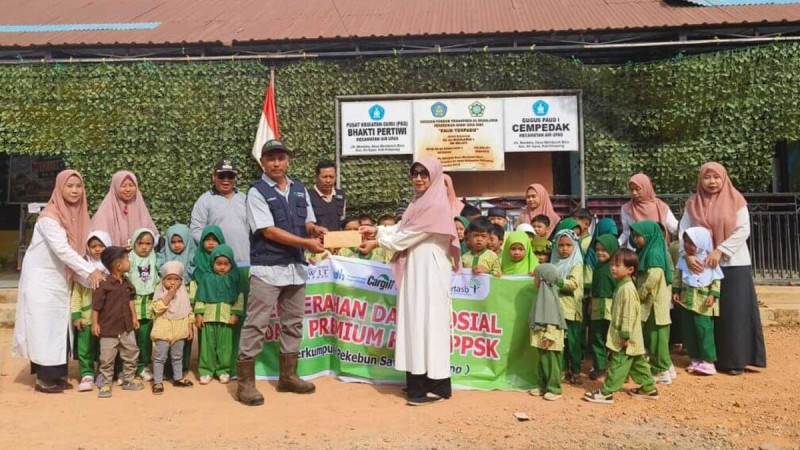
In practice, independent palm oil farmers still require technical support to meet carbon verification and environmental service documentation requirements. However, various initiatives are underway, including assistance from NGOs, farmer cooperatives, and companies building sustainable supply chains.
Farmers, previously often blamed for the climate crisis, are now being involved in long-term solutions. Through incentive-based approaches, they can gain additional economic benefits while maintaining their commitment to the environment.
This opportunity marks a significant milestone in realizing a fairer, more sustainable, and aligned national palm oil plantation system with the global emission reduction agenda. If utilized optimally, carbon and environmental services schemes can be a new bridge for independent palm oil farmers towards a green and sustainable future. (T2)