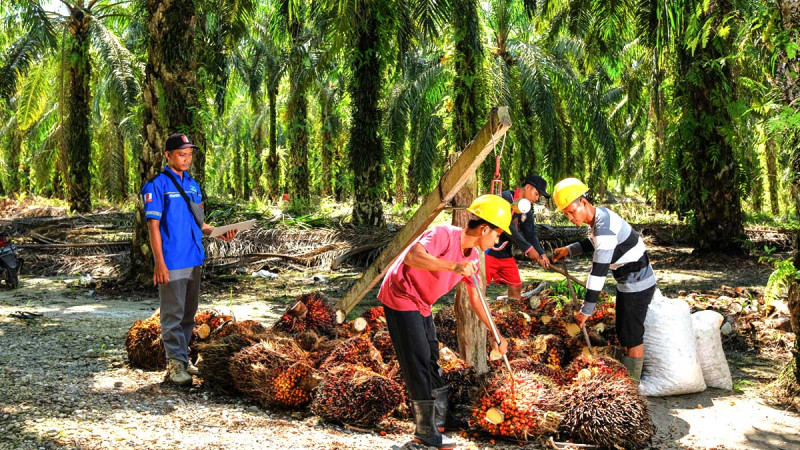
InfoSAWIT, LABUHAN BATU — Amid criticisms often directed at smallholder palm oil farming practices, particularly regarding excessive chemical use and environmentally unfriendly land management, a glimmer of hope is emerging from North Sumatra. This region, with a history of over a century in palm oil cultivation, is now becoming a living laboratory for a cleaner and more sustainable agricultural model: regenerative agriculture.
As reported by InfoSAWIT from the official Fortasbi website on Monday (May 19, 2025), through a collaboration between FORTASBI and the international development organization SNV, supported by Unilever, a transformation program targeting smallholder palm oil farmers has been launched. The goal is clear—to promote management practices that are not only sustainable but also improve the soil and environmental conditions that have been degraded due to decades of synthetic fertilizer and pesticide use.
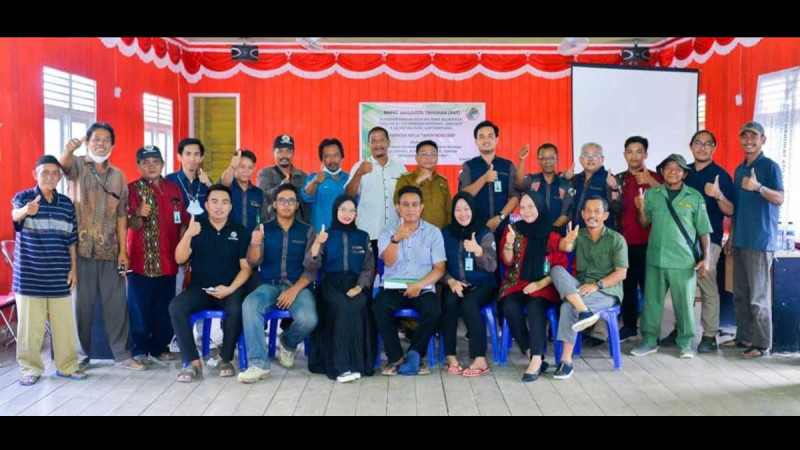
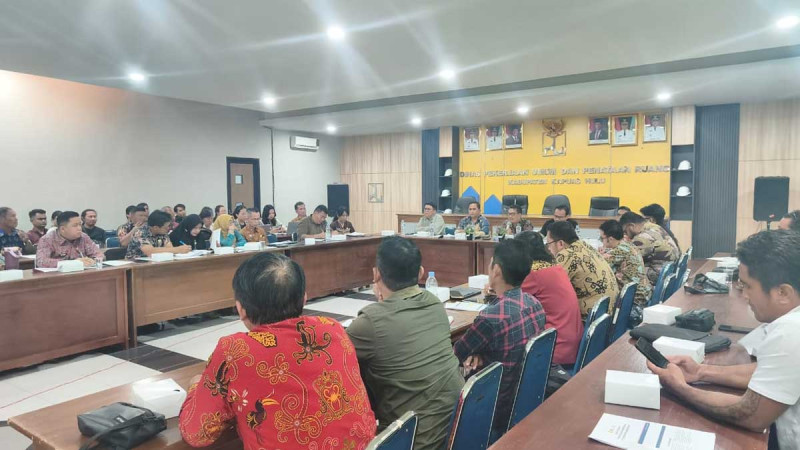
"Regenerative agriculture is not just about sustainability; it's also about reviving soil that has long been exploited," said a facilitator from FORTASBI during a training session in Labuhan Batu Regency. "Farmers are no longer just maintaining but restoring."
In this program, 1,558 smallholder farmers have received training on Best Management Practices (BMP), High Conservation Value (HCV) principles, and the Free, Prior and Informed Consent (FPIC) approach—a comprehensive knowledge package towards sustainable palm oil certification. One of the main focuses is reducing chemical use by utilizing harvest residues. Palm fronds and empty fruit bunches that were once burned are now processed into compost or mulch.
The use of compost from livestock manure has become a highlighted practice in North Sumatra. Meanwhile, in Tanjung Jabung Barat, Jambi, FORTASBI emphasizes compost from palm oil empty fruit bunches (Tankos). In both regions, the regenerative agriculture approach demonstrates that the future of palm oil can be greener—without sacrificing productivity.
More than just a farming method, regenerative agriculture is becoming a moral and ecological movement. It invites farmers to think long-term, preserving the land not just for the next planting season but for future generations.
"Healthy soil is a legacy. If we can harvest now without having to continuously buy chemical fertilizers, that's already a benefit," said an optimistic farmer participating in the program.
With the challenges of climate crisis and environmental degradation becoming increasingly evident, initiatives like this are crucial. In the hands of smallholder farmers and with the right support, North Sumatra can become a new model for how palm oil can thrive—without harming the earth that sustains it. (T2)