

InfoSAWIT, JAKARTA – The government has previously issued Government Regulation (PP) No. 8 of 2025, which mandates the placement of Export Earnings (DHE) from natural resource sectors, including palm oil plantations, into the national financial system.
All exporters in this sector are required to deposit 100% of their DHE into special accounts at national banks for 12 months. The noble aim is to strengthen economic resilience and maintain the stability of the rupiah exchange rate. However, this policy raises significant questions regarding its impact on small farmers and palm oil processing plants.
Small palm oil farmers typically do not export directly; they sell Fresh Fruit Bunches (FFB) to cooperatives, middlemen, or directly to processing plants. Nevertheless, the role of farmers is integral to the export supply chain. When exporters—who are at the end of this chain—are affected by the DHE retention policy, the pressure cascades down to processing plants, cooperatives, and ultimately to the farmers.
This situation is already being felt, with reports indicating that FFB prices at the farmer level have begun to drop by Rp30–50 per kilogram. The decline is not solely due to global market fluctuations but is significantly influenced by the liquidity constraints faced by exporters who must retain their funds domestically for a year. As exporters struggle to purchase Crude Palm Oil (CPO) from processing plants, these plants in turn reduce their purchases from farmers. In such circumstances, farmers may find it challenging to sell their harvests or may even have to delay harvesting.
Moreover, there is a growing concern that exporters may prioritize purchasing from their own business groups, potentially sidelining independent palm oil mills and smallholder farmers from the market. If this trend continues unchecked, it could lead to the closure of many palm oil mills and mass layoffs.
On the other hand, if this policy succeeds in stabilizing the rupiah and boosting exports, it is possible that FFB prices could rebound. However, this remains speculative. The effects of this new regulation are still unfolding, and much will depend on how the government and businesses manage the transition.
It is crucial to note that the treatment of the palm oil sector should differ from that of mining or oil and gas sectors. Under PP 8/2025, the oil and gas sector is only required to retain 30% of their DHE, while the plantation sector faces a 100% requirement. This disparity places a heavy burden on the palm oil industry, which is more labor-intensive and often located in remote areas. The unique characteristics of this sector should be a basis for evaluating the implementation of this policy.
If not managed carefully, Government Regulation No. 8 of 2025 could undermine Indonesia's broader goals of promoting palm oil downstream processing and energy independence. When company liquidity is disrupted, their ability to invest in the development of downstream palm oil industries will also be hindered. National programs such as biodiesel and renewable energy could be adversely affected due to a lack of domestic CPO supply.
In summary, a careful reassessment of PP 8/2025 is necessary. Macro policies should not sacrifice small farmers who do not benefit from export earnings but are the most vulnerable to the burdens of systemic changes. The government must facilitate dialogue and ensure that macroeconomic protections do not come at the expense of the economic foundation of smallholders. (*)
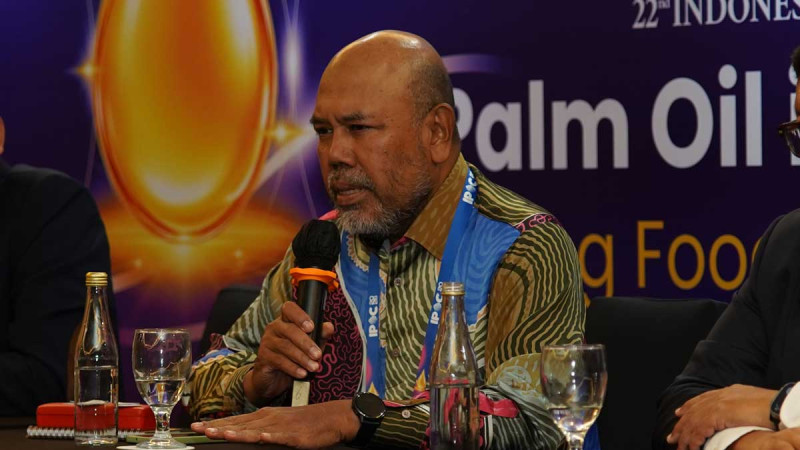
Author: Mansuetus Darto, Palm Oil Practitioner from the Palm Oil Farmers Union
Disclaimer: This article represents the author's personal opinion and is entirely their responsibility, with no connection to InfoSAWIT.