InfoSAWIT, JOHOR BAHRU — Amidst the roar of global challenges and the pressure of various international regulations, the voices of smallholders from remote palm oil villages finally resonated in a shared space. From Southeast Asia to West Africa, from the forests of Papua New Guinea to palm oil fields in Honduras, small farmers gathered in Johor Bahru, Malaysia, for the International Smallholders Workshop (ISW) 2025 on May 2-3, 2025.
This event, initiated by the Council of Palm Oil Producing Countries (CPOPC), was more than just a seminar. It transformed into a vibrant collaborative forum—filled with stories, ideas, and a spirit of change. With the theme “Breaking Barriers in Achieving Targeted Yield: Driving Success Through Oil Palm Replanting and GAP Adoption,” ISW 2025 brought new hope to small farmers who have long struggled with aging plantations, limited access to technology, and tight capital.
Rizal Affandi Lukman, Secretary-General of CPOPC, emphasized in his opening remarks that small farmers are not mere complements. “They are an essential part of the global palm oil supply chain. The implementation of regulations like the EUDR should not sacrifice their livelihoods. Instead, they must be fairly involved for true sustainability,” he stated in an official statement received by InfoSAWIT on Tuesday (May 6, 2025).
More than 80 participants attended in person from various countries, including Indonesia, Malaysia, Ghana, Nigeria, Myanmar, Thailand, Honduras, and Papua New Guinea. Additionally, online participants from countries such as Sri Lanka, Australia, the Philippines, and the Netherlands joined, making ISW 2025 a strong hybrid platform across continents.
The first day featured in-depth presentations on strategies to enhance farmer productivity. BPDPKS from Indonesia and MPOB from Malaysia shared their approaches in the smallholder palm oil replanting program. A panel discussion moderated by Dr. Witjaksana Darmosarkoro, Director of Sustainability and Small Farmers at CPOPC, explored systemic challenges hindering productivity. Meanwhile, the voices of unregistered farmers also took the stage, sharing their obstacles and hopes.
The afternoon session focused on sustainable cultivation practices. From Thailand, the Plaipraya Community Business Group shared their transformation experiences. From Honduras, Hondupalma showcased a progressive partnership system involving farmers as shareholders. Papua New Guinea, through the Oil Palm Industry Corporation, demonstrated how corporate governance can synergize with local farmers.
Notably, special attention was given to the involvement of the younger generation. Ts. Muhamad Nazarwin Bin Zainal Abidin, Young Elaeis Ambassador from Malaysia, presented strategies to attract millennials to palm oil plantations. “We don’t want palm oil farming to be seen as outdated. It is the future if managed wisely,” he said. This session was guided by Datuk Nageeb Wahab, a senior figure in the Malaysian palm oil industry.
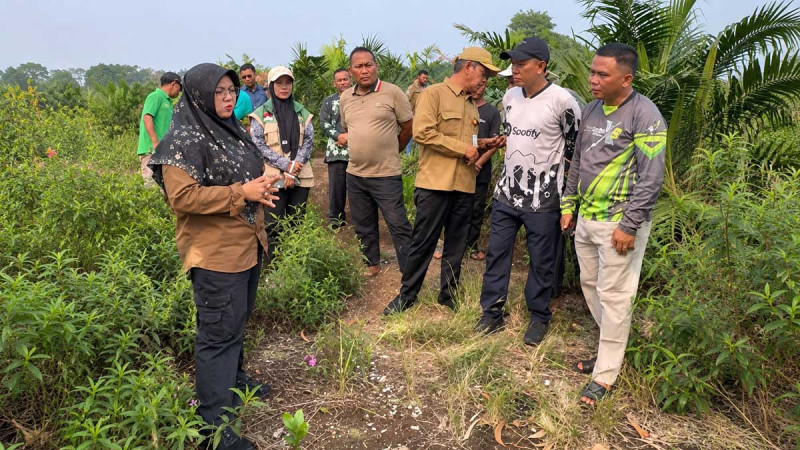
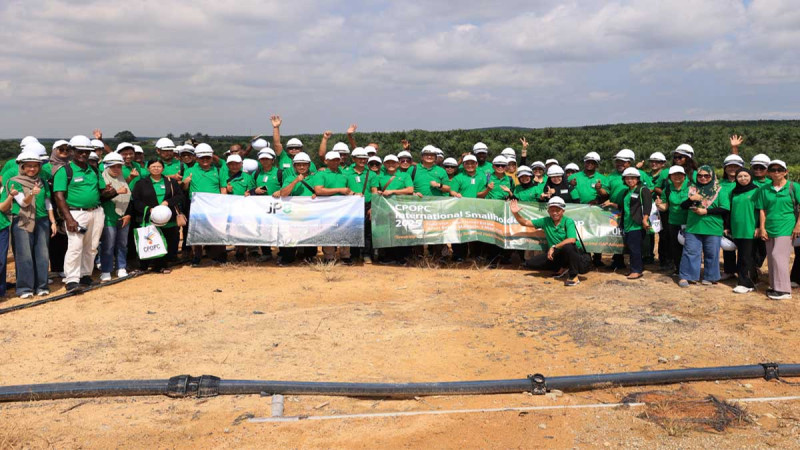
The highlight of the event occurred on the second day when all participants were invited to visit the Johor Plantation Berhad fields. Here, theory met reality. Farmers witnessed the application of Good Agricultural Practices (GAP), from neat leaf pruning and plant row arrangements to modern irrigation systems in nurseries.
Selorm Quame from Ghana expressed his inspiration. “We learned a lot. We saw how Indonesia and Malaysia tackle various challenges. We want to try similar methods,” he said. Meanwhile, Gundemaro Castillo from Honduras admired the clean plantation management, trained workers, and precise fertilization. “The presentations were clear and easy to understand,” he added.
Equally enthusiastic, Kuakun Seangtan Plaipraya from Thailand stated that this meeting opened their eyes. “This is our first time attending an international forum. We realize that our struggle is not solitary. There are many good things and obstacles we can learn together,” he said with bright eyes.
ISW was first launched in 2022 as part of the Smallholders Outreach Program (SOP) by CPOPC, which has been running since 2019. This year, ISW 2025 not only facilitated dialogue between countries but also united a global spirit to promote GAP adoption, accelerate replanting, and strengthen the resilience of small farmers in facing a challenging future. (T2)