InfoSAWIT, TORONTO — Several global developments are influencing commodity and financial market movements today, from weather forecasts in Asia to trade dynamics between China and the United States.
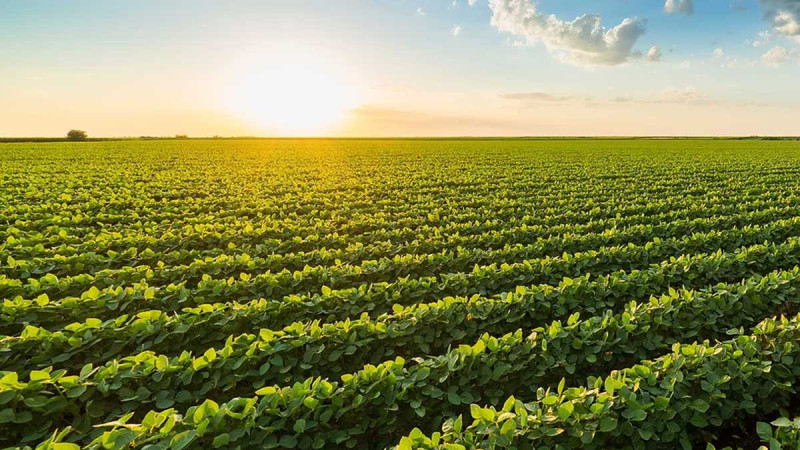
The Indian government forecasts that monsoon rainfall will be above average for the second consecutive year. This news is promising for farmers who rely on the rainy season from June to September to support agricultural production. Adequate rainfall is expected to boost yields, particularly for rice and other grains that depend on natural irrigation.
According to InfoSAWIT from MarketsFarm on Thursday (April 17, 2025), wheat prices on the U.S. futures market weakened on Tuesday morning, extending the downward trend from the previous day. The condition rating for U.S. winter wheat dropped one point in the “good to excellent” category, now standing at 47 percent. Spring wheat planting is reported to be at seven percent, in line with historical averages.
On the other hand, trade tensions between China and the United States have escalated again. Beijing has reportedly instructed domestic airlines to refrain from placing new orders for Boeing aircraft. This move is seen as an escalation in the trade war and has impacted soybean prices in the futures market. Corn prices have also been affected, although they experienced a slight uptick at the beginning of trading.
From Southeast Asia, Malaysian palm oil prices have also been noted to decline. This drop is attributed to the prospect of increased production and the weakening of other vegetable oil prices in the global market. The Malaysian government continues to maintain the crude palm oil export tariff at ten percent but has lowered the reference price as of Tuesday.
Meanwhile, in Canada, Statistics Canada reported that the annual inflation rate fell to 2.3 percent in March, down from 2.6 percent the previous month. This decline reflects a slowdown in price pressures and provides room for the Bank of Canada to consider a more accommodative interest rate policy. (T2)