InfoSAWIT, JAKARTA - Palm oil industries always face challenges and opportunities in their business. After facing issues in Covid-19 pandemic, palm oil industries keep developing and supplying vegetable oil needs in the world.
The increasing vegetable oil markets in the world, including palm oil, have challenges and new opportunity for palm oil businessmen (stakeholders). Palm oil exporter countries always deliver terms and conditions and also regulation that become the burdens for stakeholders.
European Union, for instance, published the latest regulation - European Union Deforestation Regulation (EUDR) that European Union Parliament approved in the early of 2023 with the time limit about 15 months to go.
Besides, the challenges also come from non-government organizations that claim gender equity, chance to work, and not differentiate labors’ treatment.
Challenges Become Opportunities in Palm Oil
Palm oil exporter countries that have regulations become the challenges for Indonesian and Malaysian stakeholders as the two biggest crude palm oil producers in the world.
On the other hand, palm oil industries have big opportunities to deliver evidences to public on sustainable principles and criteria that have been running in palm oil industries including in the plantations.
To deliver answer from many challenges in the exporter countries, palm oil industries have the big chances to realize sustainable palm oil as the same norm of the related stakeholders.
Traceability from palm oil supply chain is one real evidence on sustainable palm oil production. It is one of the best and sustainable practices that has been running for long, could increase productivity from the plantation harvest.
Big chances that Indonesia has, should answer the challenges from other countries. Besides, the digitalization technology implementation that runs in traceability could be part of CPO production lately.
Besides, the stakeholders also create professional work situation, take every labor from different background, such as, gender, religion, and culture without discrimination.
Palm oil has been developing through togetherness with different colors. It is known as inclusivity. Culture without discrimination has been developing in palm oil industries, from the plantation to the derivative industries.
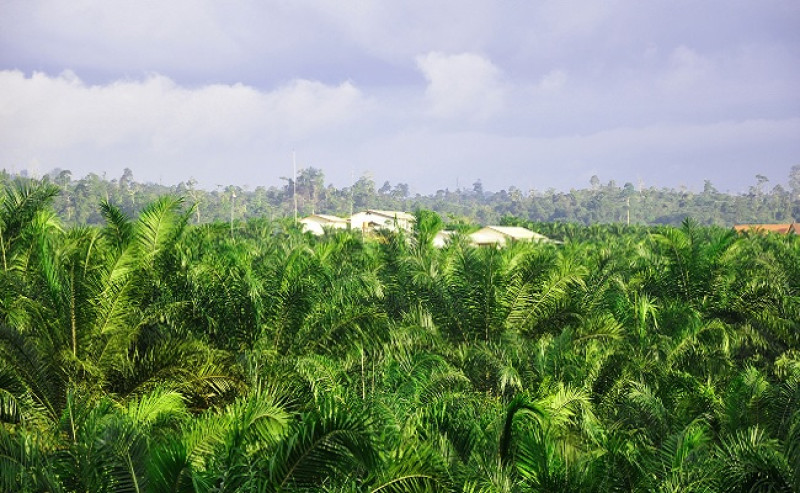
The real evidence can be seen from the plantations in remote areas. They have labors from many different backgrounds.
Inclusivity has been developing in palm oil plantations. In some regions, we could visit villages (around plantations) where they were formed by the same tribes, such as, Bali village, Java village, Batak village, and so on.
These villages around palm oil plantations were established in the people’s community and inherit culture and tribes of their origins until tradition and belief from the tribes themselves could last forever and develop until now. In general, they work as independent smallholders and get partnership with palm oil companies that operate mills.
On the other hand, in the workers’ housing in palm oil plantation companies, there are many tribes and religions. They are tolerating and cooperating to develop palm oil plantations of (a) company.
Inclusivity as the old development system has been developing through palm oil industrial development. The same model can be seen in CPO derivative industries in Indonesia.
National development is guided by Pancasila and Constitutional 1945, as the gaze of Indonesian people, integrates in palm oil plantations nationally.
Though it is seldom discussed, but as long as Editorials of InfoSAWIT tracked down, since 2007, from Sumatera to Papua, diversity has been the major thing to develop palm oil plantations in many remote areas.
Inclusivity has played important roles and unified palm oil plantations to develop. Besides it highly respects local culture and wisdom to be parts of the diversity itself.
Mass media also play important roles to publish (palm oil companies/corporates) but many stakeholders are seldom to do it. Though the corporates do many but they seldom do publication by mass media.
Why? Perhaps the stakeholders themselves know the answers. Minimum information and publication for the public about palm oil industries are far from open information which should be transparent.
It may happen for palm oil business has many issues to face and be the obstacle to deliver public information. Actually, transparent communication to the public would be the big opportunity for palm oil industries to promote inclusivity that many others have done.
If you do not do it, who else would explain palm oil business inclusivity in Indonesia? Please contact Editorials of InfoSAWIT, and we are ready to help you.
Editorial Majalah InfoSAWIT, June 2023